



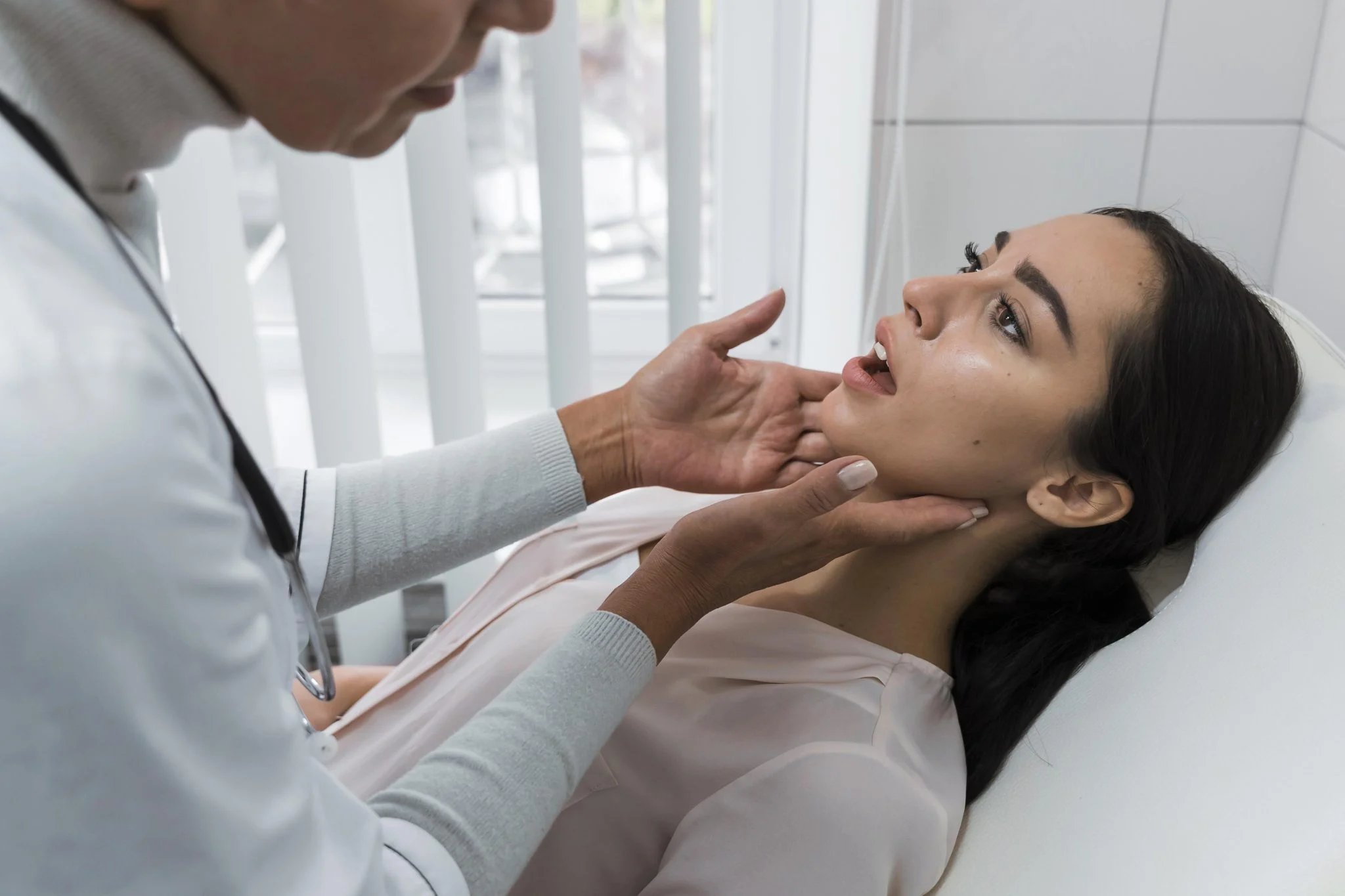
The gag reflex is your body’s natural defense system that protects your throat from foreign objects. About 10-15 percent of dental patients experience hypersensitive gag reflex, which can make routine dental care challenging and stressful.
What Triggers the Gag Reflex
Your gag reflex activates when something touches the back of your tongue, soft palate, or throat. In dental settings, several common items can trigger this response.
Dental instruments like X-ray sensors, impression materials, and suction devices often cause gagging. The back molars are especially sensitive areas that can set off your reflex.
The reflex happens instantly when these items contact sensitive areas. Your body doesn’t distinguish between harmful objects and necessary dental tools.
Some people have more sensitive trigger zones than others. These areas can be as far forward as your tongue tip or as far back as your throat.
Physical and Psychological Causes
Several physical factors can make your gag reflex more sensitive. Medical conditions often play a role in how strongly you react to dental procedures.
Physical causes include:
- Enlarged tonsils that reduce throat space
- Acid reflux that irritates throat tissues
- Allergies causing post-nasal drip and throat sensitivity
- Previous dental trauma that created physical sensitivity
Psychological factors are equally important in triggering your gag reflex. Dental anxiety and stress can make your body more reactive to normal dental procedures.
When you feel anxious about dental work, your muscles tense up. This tension makes your gag reflex more likely to activate, even with gentle touches.
Fear of gagging can create a cycle where worry about the reflex actually triggers it. Your anticipation of discomfort can cause the very reaction you’re trying to avoid.
Past negative dental experiences often increase both your anxiety levels and gag sensitivity. These memories can make future dental visits more challenging.
Impact on Oral Health and Dental Visits
A sensitive gag reflex can seriously affect your dental care and oral health. Many people with this condition avoid or delay necessary dental treatments.
This issue can make dental visits stressful and lead some to avoid necessary care altogether. Skipping regular cleanings allows plaque and tartar to build up on your teeth.
Oral health problems from avoided dental care:
- Gum disease from missed cleanings
- Tooth decay that goes undetected
- Advanced cavities requiring more complex treatment
- Tooth loss from untreated problems
Dental procedures become more difficult when you have an active gag reflex. Your dentist may struggle to take proper X-rays or make accurate impressions.
This can lead to poorly fitting crowns, bridges, or dentures. You might need multiple appointments to complete treatments that normally take one visit.
The stress from gagging during dental procedures can make you associate dental visits with discomfort. This creates dental anxiety that makes future appointments even more challenging for both you and your dentist.
Struggling with a strong gag reflex during dental visits? Schedule a consultation with your trusted Anna, TX dentist to explore gentle solutions for a more comfortable experience.
How Laughing Gas Works and Its Benefits
Laughing gas, or nitrous oxide, is one of the safest and most effective ways to reduce a strong gag reflex during dental treatment.
It works by calming your nervous system, relaxing throat muscles, and reducing anxiety — allowing you to stay comfortable and cooperative throughout your visit.
When inhaled through a small nasal mask, nitrous oxide travels quickly to your brain and affects the nerve pathways that control reflexes.
The gas slows down signals that normally trigger gagging, dulls the body’s sensitivity to touch and pressure, and helps you stay relaxed even when dental tools reach the back of your mouth.
This mild sedative also releases small amounts of dopamine, creating a pleasant sense of calm. That relaxation helps break the anxiety–gag reflex cycle many patients experience.
When you’re less anxious, your throat muscles stay looser, and your reflexes don’t react as strongly.
You’ll begin to feel the effects within two to three minutes of inhaling the gas. Your breathing remains normal, and you stay fully awake and able to respond to your dentist.
The concentration can be adjusted at any time during treatment for your comfort. Once the mask is removed and you breathe oxygen for a few minutes, the effects wear off completely.
Key ways laughing gas helps during dental procedures:
- Relaxes throat and jaw muscles to suppress the gag reflex
- Reduces stress and anxiety that intensify gagging
- Takes effect within minutes and fades quickly after treatment
- Keeps you conscious and able to communicate with your dentist
- Allows your dentist to complete treatment efficiently and comfortably
In addition to its ability to manage the gag reflex, nitrous oxide enhances overall comfort and cooperation during procedures.
You’ll find it easier to remain still, follow instructions, and tolerate longer appointments. This makes it especially useful for cleanings, fillings, impressions, or other treatments involving the back of your mouth.
Laughing gas is also one of the most flexible sedation methods. It pairs well with local anesthesia to prevent discomfort while maintaining a sense of relaxation.
Because it wears off quickly, you can drive yourself home or return to work or school shortly after your appointment — no recovery downtime needed.
Benefits at a glance:
- Immediate relaxation and reduced sensitivity
- Improved comfort for short and long procedures
- Safe for adults and children when administered by a trained dentist
- Minimal side effects and no lingering drowsiness
- A positive, low-stress dental experience that encourages regular care
For many patients in Anna, TX, laughing gas is the preferred choice for managing a sensitive gag reflex. It offers the perfect balance of safety, effectiveness, and convenience — helping make every dental visit calm, efficient, and worry-free.
Comparing Sedation Options for Gag Reflex Management
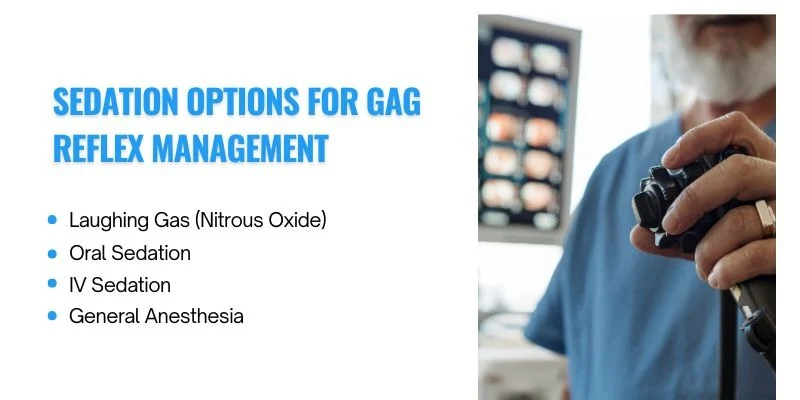
Not every patient’s gag reflex reacts the same way, which is why dentists offer several levels of sedation to ensure comfort. At Anna Dental, we tailor each approach to match your medical history, treatment needs, and comfort level.
- Laughing Gas (Nitrous Oxide)
The most common and mildest sedation option, laughing gas helps patients relax without putting them to sleep. You breathe it in through a small nasal mask, and it starts working within minutes.
- You remain fully awake and responsive
- Gag reflex and muscle tension ease naturally
- Effects wear off quickly after the mask is removed
This option is ideal for mild to moderate gag reflex issues and short treatments like cleanings or fillings.
- Oral Sedation
For patients who need deeper relaxation, oral sedation offers stronger relief from anxiety and reflex sensitivity. You take a pill or liquid medication before your appointment to stay calm throughout the procedure.
- Reduces anxiety and throat muscle sensitivity
- You may feel drowsy but remain conscious
- Requires someone to drive you home afterward
- It’s a good choice for patients who experience strong gagging or past dental trauma.
IV sedation provides deeper relaxation for patients with severe gag reflexes or longer procedures. The medication is delivered through a vein and adjusted in real time by your dentist.
- Fast-acting and highly customizable
- Allows for extensive treatments in one visit
- You may not remember much of the procedure afterward
- General Anesthesia
Reserved for the most complex or severe cases, general anesthesia keeps you completely unconscious during treatment. It’s typically performed in a hospital or surgical setting under an anesthesiologist’s supervision.
- Used when all other sedation methods are ineffective
- Suitable for extensive dental work or extreme dental anxiety
Each sedation method offers unique benefits depending on your sensitivity and comfort needs. Most patients find that laughing gas provides the perfect balance — enough relaxation to control the gag reflex, but light enough for a quick recovery and safe return to daily life.
When Is Laughing Gas Recommended for a Strong Gag Reflex?
Some patients have a gag reflex so sensitive that even simple dental tools or X-rays can make treatment stressful. In these cases, laughing gas offers a safe, reliable way to stay comfortable throughout your visit.
Your gag reflex is a natural protective response that activates when something touches the back of your tongue, throat, or soft palate.
But during dental procedures, instruments like X-ray sensors, suction tips, or impression materials can mistakenly trigger it — even though they’re completely safe.
If this reaction has ever made you postpone or avoid dental visits, nitrous oxide can help calm your muscles and quiet that reflex so your dentist can work comfortably.
Laughing gas may be recommended if you:
- Struggle with gagging during X-rays, cleanings, or impressions
- Have a history of anxiety or sensitivity during dental procedures
- Need longer or more complex treatments such as root canals or extractions
- Have difficulty tolerating local anesthesia due to taste or sensation
- Experience discomfort when keeping your mouth open for extended periods
Laughing gas helps you stay relaxed while remaining fully awake, making it ideal for patients who need gentle sedation without lingering side effects. For those in Anna, TX, it’s a trusted option that turns uncomfortable dental experiences into calm, manageable visits.
Considerations, Safety, and Possible Side Effects
Nitrous oxide is generally safe for most patients, but certain medical conditions and individual factors require careful evaluation. Understanding potential side effects and contraindications helps ensure safe use during dental procedures.
Safety of Nitrous Oxide
Nitrous oxide has a long-standing safety profile when used properly by trained dental professionals. Modern delivery systems include multiple safety features to protect patients.
Key safety features include:
- Oxygen failure warning alarms
- Minimum oxygen percentage controls
- Emergency oxygen flush mechanisms
- Automatic nitrous oxide shutoff if oxygen fails
Your dentist will monitor your vital signs throughout the procedure. This includes checking your blood pressure, pulse rate, and breathing patterns.
The gas mixture always contains at least 30% oxygen. This prevents oxygen deprivation and maintains safe breathing levels.
Professional monitoring ensures proper dosage and quick response to any changes in your condition. Recovery is typically rapid and complete once the gas is discontinued.
Potential Side Effects and Contraindications
Common side effects include dizziness, nausea, and mild headache. These effects are usually mild and disappear quickly after treatment ends.
Possible side effects:
- Drowsiness or fatigue
- Tingling in hands or feet
- Sweating
- Shivering
- Euphoric feelings
Some patients may feel confused or disoriented during treatment. Your dentist can adjust the gas concentration if you experience discomfort.
Absolute contraindications include:
- Current upper respiratory infections
- Recent middle ear surgery
- Severe breathing disorders
- First trimester of pregnancy
- Vitamin B12 deficiency
Drug interactions can occur with certain medications. Tell your dentist about all prescription drugs, supplements, and recreational substances you use.
Special Considerations for Certain Medical Conditions
Certain medical conditions require extra caution when using nitrous oxide for dental sedation. Your medical history helps determine if laughing gas is right for you.
Respiratory conditions like severe asthma or emphysema may prevent safe use. The nasal mask delivery method requires clear breathing passages.
Psychiatric medications can interact with nitrous oxide. Antidepressants and mood stabilizers may change how your body responds to the gas.
Pregnancy beyond the first trimester is generally considered safe. However, your dentist will weigh the benefits against any potential risks.
Allergies to nitrous oxide are extremely rare but possible. Tell your dental team about any unusual reactions to medications or gases.
Claustrophobia may make wearing the nasal mask difficult. Your dentist can help you practice with the mask before starting the procedure.
Recent substance abuse history requires careful evaluation. Some patients with addiction histories may not be good candidates for nitrous oxide.
Tips for Reducing Gag Reflex Without Sedation

You can manage your gag reflex using simple breathing methods and topical treatments. These techniques help control stress and anxiety that make gagging worse during dental visits.
Breathing and Distraction Techniques
Controlled breathing is one of the most effective ways to reduce your gag reflex. Breathing through your nose helps focus your attention away from your mouth during treatment.
Try this simple breathing pattern:
- Inhale slowly through your nose for 4 counts
- Hold your breath for 4 counts
- Exhale through your nose for 6 counts
Physical distraction techniques can also help control gagging. Squeezing your left thumb tightly creates a pressure point that helps reduce the reflex response.
Mental distraction works by redirecting your focus. Try counting backwards from 100 or thinking about a relaxing place. This reduces anxiety and stress that can trigger stronger gag reflexes.
Timing your appointment matters too. Some people have stronger gag reflexes in the morning, so afternoon appointments might work better for you.
Use of Topical Anesthetics and Alternative Strategies
Numbing sprays provide quick relief by reducing throat sensitivity. Topical numbing agents can be applied before your procedure to minimize discomfort.
Desensitization practice helps train your mouth to tolerate dental tools. Practice by gently touching your toothbrush to the soft palate at the back of your mouth each night after brushing.
Start with light touches and gradually increase the contact time. This method reduces anxiety about dental procedures over time.
Salt water rinses before treatment can help numb your throat naturally. Mix half a teaspoon of salt in warm water and gargle gently before your appointment.
Choosing the Right Dental Provider in Anna, TX
Finding the right dentist for gag reflex management means choosing a provider who understands your comfort needs and offers flexible sedation options tailored to you.
At Anna Dental, we believe compassionate communication and individualized care make every appointment more comfortable.
During your consultation, we’ll review your dental and medical history, evaluate your gag reflex, and recommend the most suitable level of sedation — from mild laughing gas to deeper oral or IV sedation options.
Our goal is to help you stay calm while ensuring safe, effective treatment.
We take time to explain every step of the process and answer your questions without rushing. You’ll also be shown simple hand signals to use during treatment, giving you control and reassurance throughout the procedure.
Our dental team is trained to support patients with sensitive gag reflexes or dental anxiety. We can adjust appointment length, use calming techniques, or schedule shorter sessions as needed to ensure you remain at ease.
After your visit, we’ll follow up to make sure you’re recovering comfortably and confident about future treatments. This patient-first approach is what makes Anna Dental a trusted choice for gentle, sedation-based care in Anna, TX.
Frequently Asked Questions
Can nitrous oxide really help with a strong gag reflex?
Yes. Laughing gas gently relaxes your throat muscles and calms your nervous system, making it easier to complete cleanings, fillings, or impressions without discomfort.
Is laughing gas safe for children and teens?
Absolutely. Nitrous oxide is one of the safest forms of sedation used in pediatric dentistry. It helps children stay relaxed and cooperative while remaining fully awake throughout treatment.
Are there any side effects of using laughing gas?
Side effects are minimal and temporary. A few patients may feel mild dizziness, tingling, or nausea, but these fade within minutes once oxygen is administered after treatment.
How much does laughing gas cost in Anna, TX?
At most practices, including Anna Dental, nitrous oxide sedation typically costs between $25–$100 per visit. Some insurance plans may cover the service when it’s medically necessary for patients with a sensitive gag reflex.

