Experience The Difference Through Their Eyes
Destructive Nighttime Habit
Teeth grinding, also known as bruxism, is a common condition where people
unconsciously clench or grind their teeth, typically during sleep or times
of stress. This habitual activity creates excessive forces that can wear
down tooth enamel, crack or flatten teeth, and strain the powerful jaw
muscles and delicate jaw joints. Left unaddressed, teeth grinding can lead
to chronic headaches, facial pain, damaged dental work, and even permanent
changes to your bite. Detecting the early signs of grinding is crucial for
preventing irreversible damage to your teeth and jaw. The experienced
dentists at Anna Dental in Anna, TX can identify signs of grinding during
routine exams and provide effective solutions to protect your smile.
Most people who grind their teeth aren’t even aware they’re doing it until
symptoms appear or a partner notices the grinding sounds during sleep.
Fortunately, a custom-fitted night guard can effectively prevent damage by
creating a protective barrier between your upper and lower teeth. These
appliances are precisely designed to fit comfortably while distributing
the forces of grinding and clenching more evenly. Beyond protecting your
teeth, night guards can help reduce muscle tension, alleviate morning
headaches, and prevent further damage to the temporomandibular joints
(TMJ). If you wake with sore jaw muscles, headaches, or notice your teeth
appearing flatter or developing small cracks, schedule an evaluation at
Anna Dental in Anna, Texas.
Protect Your Smile's Future
Prevention of Enamel Destruction: Treatment for teeth grinding stops the progressive wearing down of tooth enamel that can lead to sensitivity, fractures, and eventual tooth loss. This protective intervention preserves the natural strength and structure of your teeth for years to come. Patients who address grinding early often avoid thousands of dollars in future dental work by preventing the cascade of problems that worn enamel creates.
Relief from Jaw Pain and Fatigue: Effective grinding management reduces the muscle fatigue, soreness, and TMJ pain that often accompanies chronic bruxism. This relief improves comfort throughout the day and prevents the development of persistent temporomandibular disorders. Many patients report that morning jaw stiffness, facial pain, and difficulty opening wide disappear within days or weeks of beginning appropriate treatment.ibility
Headache Reduction: Treating teeth grinding often dramatically reduces frequency and intensity of tension headaches triggered by sustained muscle contraction. This reduction in pain improves quality of life and decreases reliance on pain medications. Patients who've suffered with chronic "unexplained" headaches frequently discover that addressing their nighttime grinding provides more effective relief than years of pain medication use.
Protection of Dental Work: Custom night guards shield existing dental restorations such as crowns, veneers, and fillings from the damaging forces of grinding. This protection extends the lifespan of your dental investments and prevents costly repairs or replacements. For patients who have invested significantly in cosmetic or restorative dentistry, protecting this investment with appropriate grinding treatment represents tremendous value.rs That Affect Eligibility
Improved Sleep Quality: By reducing the microarousals and sleep fragmentation associated with grinding episodes, treatment helps establish more restful, continuous sleep. This improvement in sleep architecture leads to greater daytime alertness and energy. Both patients and their sleep partners often report more refreshing sleep when grinding noises and movements are eliminated through appropriate intervention.
Be our Next Success Story!
Protective Grinding Solution
People who unknowingly clench or grind their teeth during sleep, causing dental damage, jaw pain, and disrupted rest for themselves and partners.
Individuals who respond to daily stress by clenching their jaw or grinding teeth during waking hours, often without realizing until symptoms develop.
Those who have invested in restorative or cosmetic dental work and need to prevent damage from grinding forces that could compromise these treatments.
Morning Jaw Soreness: You frequently wake up with a tired, sore jaw or facial muscles that feel tight or painful to the touch.
Flattened Tooth Surfaces: Your dentist has pointed out unusual wear patterns on your teeth that don't match your age or diet.
Unexplained Headaches Pattern: You experience regular headaches, particularly in the temple area or upon waking in the morning.
Sensitive Teeth Development: Your teeth have become increasingly sensitive to hot, cold, or pressure without apparent cavity or gum issues.
Chipped Tooth Incidents: You've noticed small chips or fractures along the edges of your teeth without any injury or trauma.
Sleep Partner Complaints: Your partner has mentioned hearing grinding or clenching sounds coming from your side of the bed during sleep.
Dental Work Failures: You've experienced repeated broken fillings, crowns, or other dental restorations despite good oral hygiene.
Facial Pain Episodes: You experience pain that radiates from your jaw to your ear, temple, or neck without other clear causes.
Tooth Mobility Concerns: Some of your teeth feel slightly loose or have shifted position due to excessive pressure from grinding.

Sleep Disruption Cycle: Your sleep quality has deteriorated, potentially from the physical activity of grinding or the pain it causes.
Be our Next Success Story!
Request an appointment and start your smile journey today.
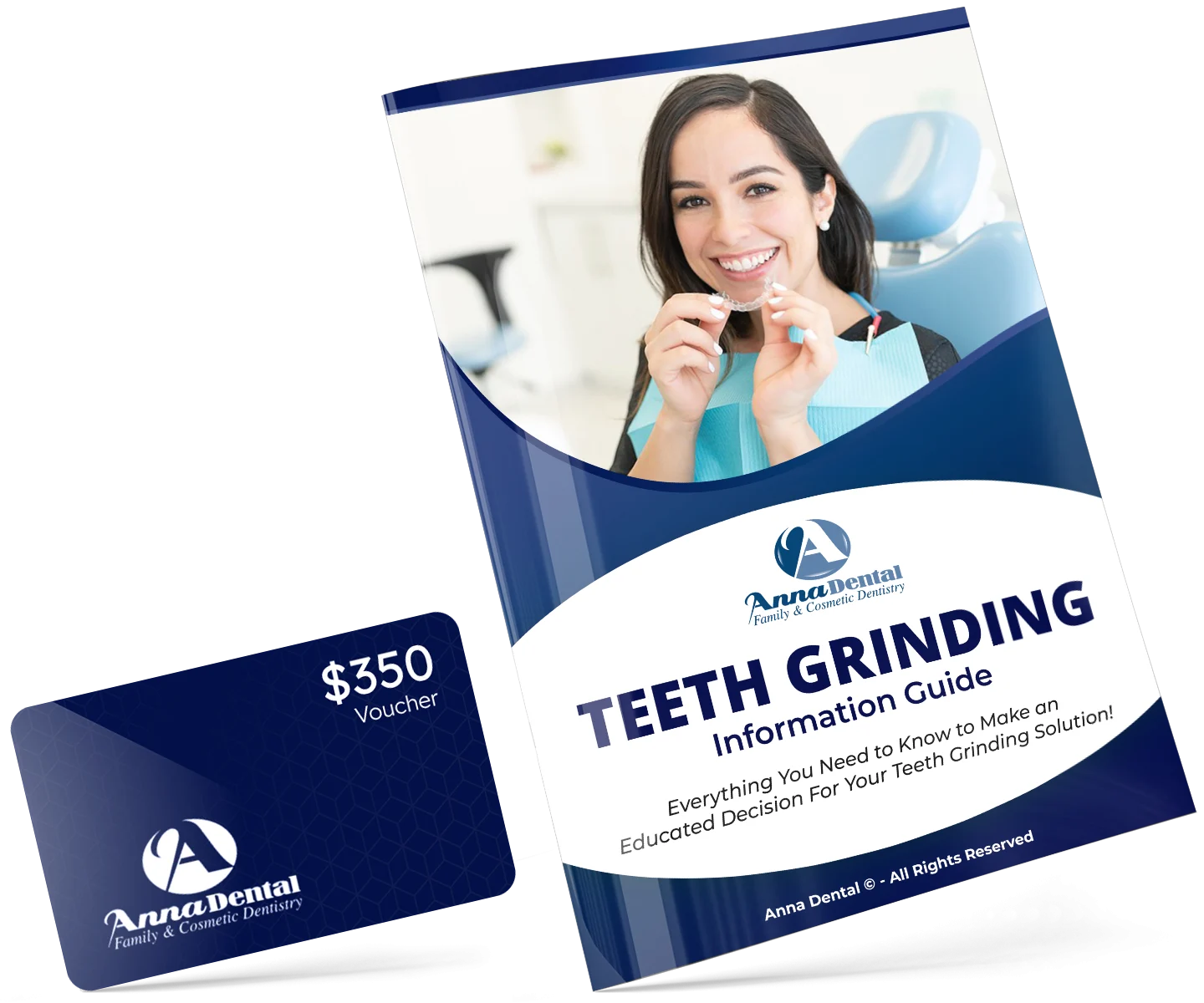
Fill Out the Form Below and You Will Receive a Text/Email With Your Solution-Guide To Teeth Grinding
The Guide Will Show You
Fill Out the Form Below and You Will Receive a Text/Email With Your Solution-Guide To Teeth Grinding
Protective Bite Therapy
At Anna Dental, we begin by thoroughly examining your teeth for signs of grinding (bruxism), including flattened cusps, microscopic cracks, and worn enamel. Our doctors will discuss symptoms you may be experiencing, such as morning headaches, jaw pain, or sensitive teeth. We may take digital images to document current tooth conditions and use jaw muscle palpation to check for tenderness.
This comprehensive assessment in our Anna, TX office helps us determine the severity of your grinding habit and develop the most effective treatment approach.
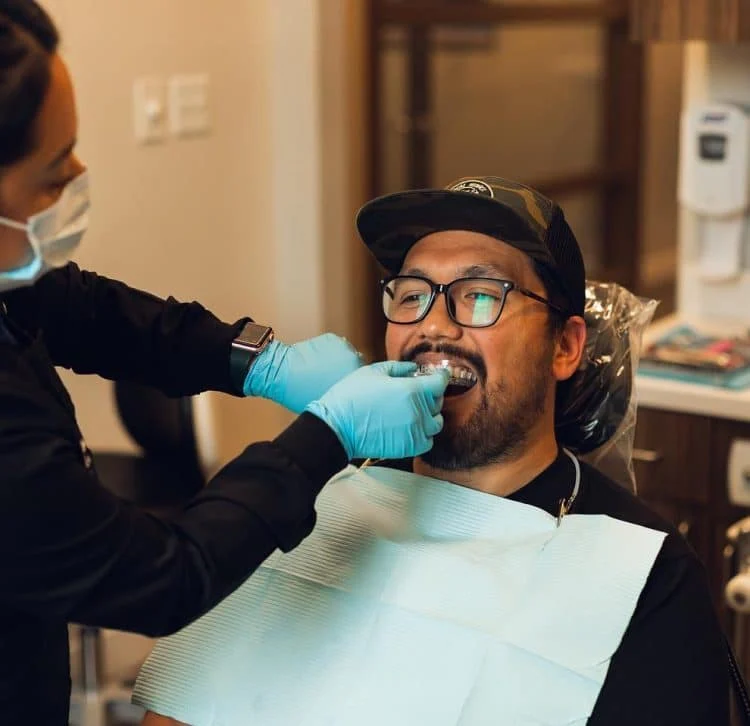
Creating your custom night guard at Anna Dental involves taking precise impressions of your teeth using comfortable digital or traditional methods. These impressions are sent to our trusted laboratory where skilled technicians fabricate your appliance using durable, high-quality materials. Unlike over-the-counter options, our custom guards are precisely fitted to your unique dental anatomy for maximum comfort and protection.
The fabrication process typically takes about two weeks before your appliance is ready for fitting at our Anna office.
When your night guard is ready, you’ll return to Anna Dental for a delivery appointment where our doctors ensure proper fit and comfort. We make any necessary adjustments and provide instructions for wearing and cleaning your appliance. We’ll discuss complementary approaches to address potential causes of grinding, such as stress management techniques or bite adjustments.
Our team schedules regular follow-up appointments to monitor your appliance’s effectiveness and check for any changes in your grinding patterns.
Be Our Next Success Story!
850+
Number of Implants placed Over the Last Year
1628
5-Star Google Reviews
55+
Years of Combined Clinical Dentistry Experience
98%
Satisfaction Rate
258+
Number of Smiles and Lives changed in the Last Year
5.0
Average Rating on Google
850+
Number of Implants placed Over the Last Year
1628
5-Star Google Reviews
55+
Years of Combined Clinical Dentistry Experience
98%
Satisfaction Rate
258+
Number of Smiles and Lives changed in the Last Year
5.0
Average Rating on Google
850+
Number of Implants placed Over the Last Year
1628
5-Star Google Reviews
55+
Years of Combined Clinical Dentistry Experience
98%
Satisfaction Rate
258+
Number of Smiles and Lives changed in the Last Year
5.0
Average Rating on Google
850+
Number of Implants placed Over the Last Year
1628
5-Star Google Reviews
55+
Years of Combined Clinical Dentistry Experience
98%
Satisfaction Rate
258+
Number of Smiles and Lives changed in the Last Year
5.0
Average Rating on Google
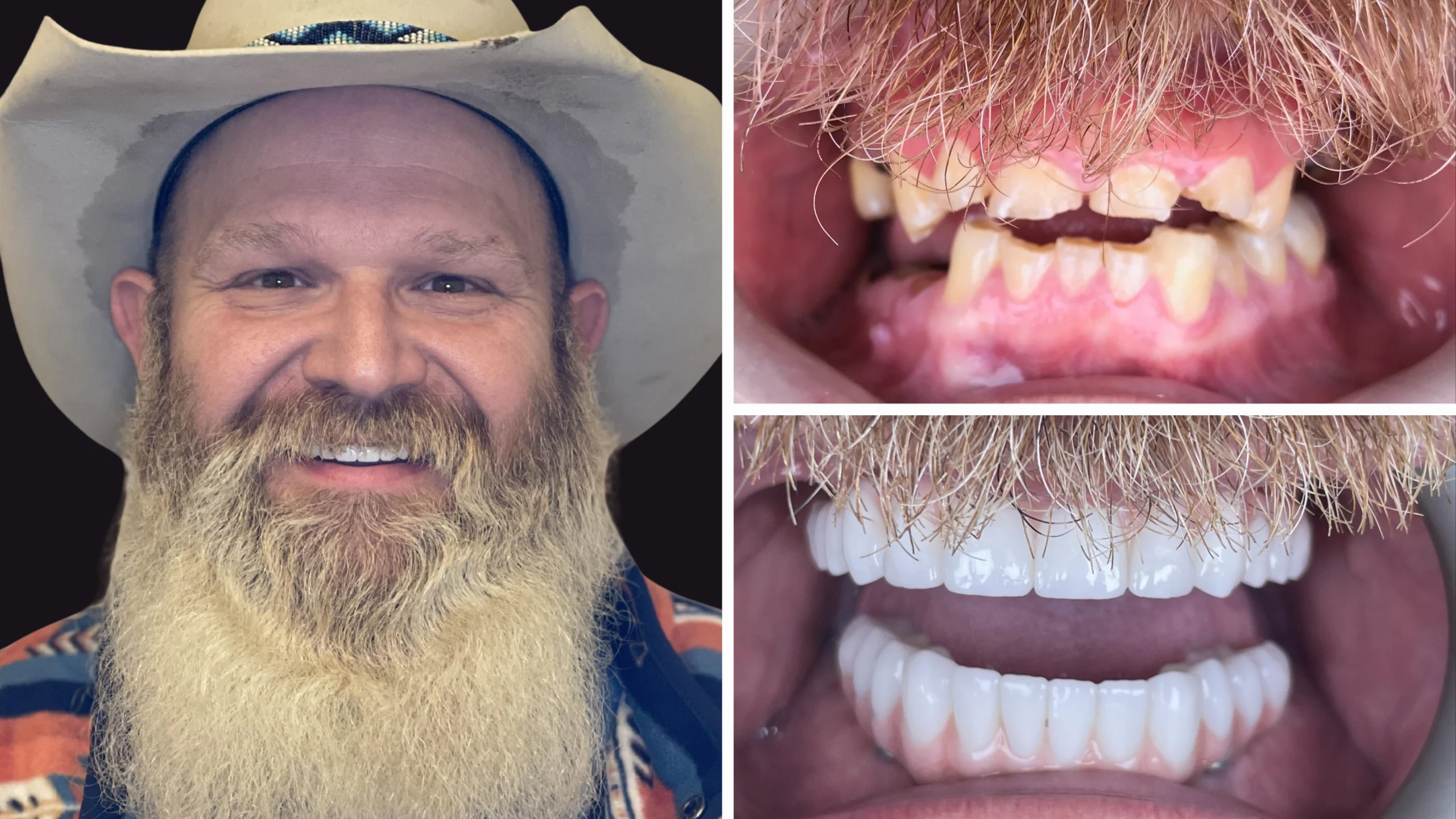
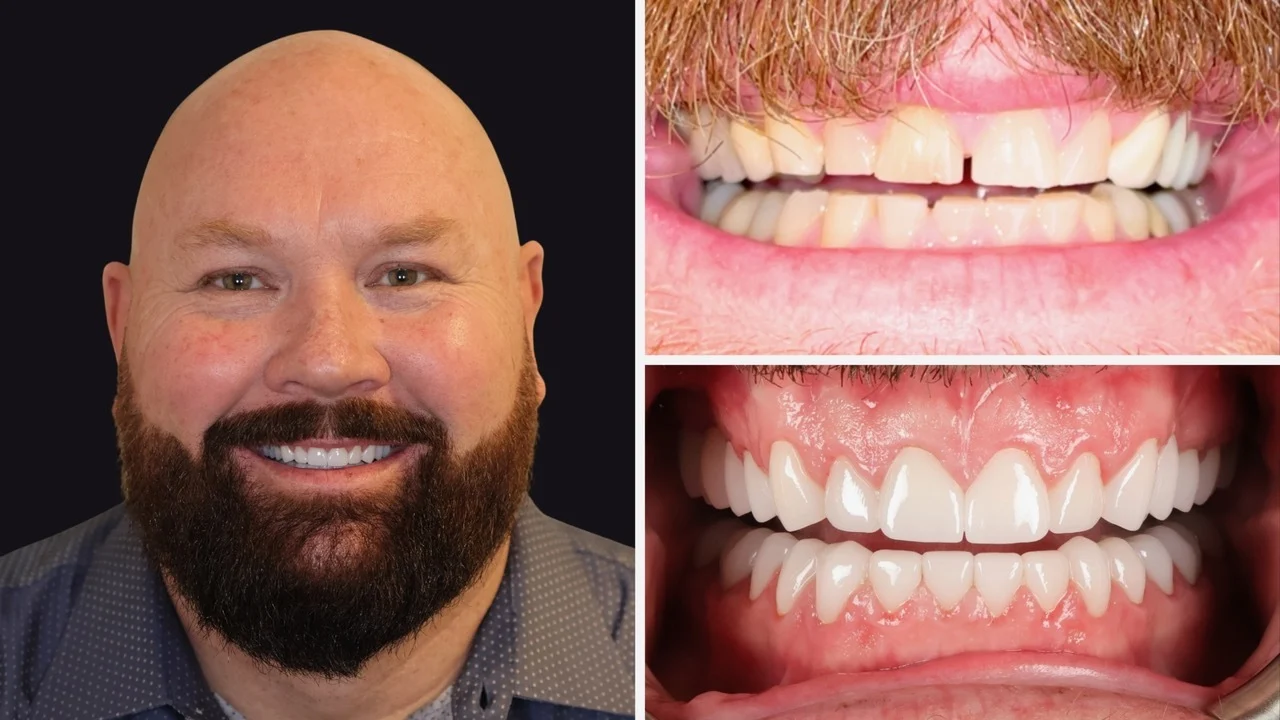
Real Results from Anna Dental
Our gallery showcases remarkable smile transformations by our expert team. From implants to cosmetic procedures, we’ve helped countless patients across Anna and nearby communities regain confidence with beautiful, functional smiles.
Be our Next Success Story!
Request an appointment with one of our doctors and start your smile journey today.
Frequently Asked Questions
A root canal is a treatment that saves a severely damaged or infected tooth by removing the infected pulp (the soft tissue inside the tooth containing nerves and blood vessels), cleaning the canals, and sealing them to prevent future infection. The most common causes requiring root canal treatment include deep decay reaching the pulp, repeated dental procedures on the same tooth, cracks or chips, or trauma to the tooth that damages the nerve.
Signs you might need a root canal include severe toothache, prolonged sensitivity to hot or cold, discoloration of the tooth, swelling or tenderness in nearby gums, or a persistent pimple on the gums. Sometimes, there are no symptoms at all, which is why regular dental check-ups are essential. Without treatment, the infection can spread, leading to bone loss around the root, abscess formation, or systemic infection. Root canal therapy allows you to keep your natural tooth while eliminating pain and infection.
The perception that root canals are extremely painful is outdated and largely a myth. Modern techniques, effective anesthetics, and our doctors’ expertise ensure most patients remain comfortable throughout the procedure. Before beginning, we thoroughly numb the area with local anesthetic, similar to what you’d receive for a filling. Most patients report that a root canal feels no more uncomfortable than having a filling placed.
The reality is that root canal treatment relieves pain, not causes it. Most people seeking root canal therapy are already experiencing significant discomfort from infection or inflammation in the tooth. After treatment, some mild soreness or tenderness when chewing might occur for a few days as the body’s natural healing response takes place. This discomfort is typically well-managed with over-the-counter pain relievers like ibuprofen or acetaminophen. Many patients are surprised by how comfortable both the procedure and recovery period actually are compared to what they anticipated.
The length of a root canal procedure varies depending on several factors, including which tooth is being treated, the complexity of the root canal system, and whether there’s active infection present. Generally, front teeth with single roots may take 30-60 minutes to complete, while molars with multiple roots might require 60-90 minutes. Some complex cases might be completed over two appointments rather than a single visit.
What happens during this time is quite methodical. After ensuring you’re completely numb, our doctors create a small access opening in the tooth and use specialized instruments to clean infected tissue from the canals. The canals are shaped, disinfected with antimicrobial solutions, and sealed with a rubber-like material. If a second appointment is needed, a temporary filling is placed between visits. Most patients are pleasantly surprised by how quickly the time passes, especially if they take advantage of our entertainment options like watching TV during the procedure. At your consultation, we can provide a more specific time estimate based on your particular situation.
In most cases, a crown is recommended after a root canal, particularly for back teeth (premolars and molars) that endure significant chewing forces. When a tooth has a root canal, it becomes more brittle over time because it no longer receives blood supply from the inside. A crown provides crucial protection by covering the entire tooth above the gumline, preventing fractures that could lead to tooth loss.
Front teeth sometimes require only a filling after a root canal if there isn’t extensive damage and less chewing force is applied to these teeth. The decision depends on several factors, including how much natural tooth structure remains, the location of the tooth, your bite forces, and history of tooth grinding or clenching. Our doctors will explain their recommendation based on your specific situation. If a crown is needed, we’ll discuss timing—sometimes it’s placed a few weeks after the root canal to ensure healing, while in other cases it can be placed sooner.
When properly performed and restored with an appropriate crown or filling, root canal treatment has an excellent success rate of about 95%, with many teeth lasting a lifetime. The longevity depends on several factors including the quality of the initial treatment, how quickly you sought care after problems developed, proper restoration of the tooth after treatment, and your overall dental hygiene practices.
To maximize the lifespan of your treated tooth, maintain excellent oral hygiene with regular brushing and flossing, visit us for routine check-ups and cleanings, avoid chewing extremely hard foods with the treated tooth, and address any dental problems promptly before they become severe. If you experience symptoms like pain, swelling, or sensitivity in a tooth that has had root canal treatment, contact our office promptly for evaluation. In rare cases where a root canal fails, retreatment or other procedures are often possible to save the tooth.
Choosing not to proceed with a recommended root canal typically leads to worsening problems. The infection within the tooth won’t resolve on its own and will continue to progress. As bacteria multiply, they can spread beyond the tooth roots, creating a painful abscess in the surrounding bone and gum tissue. This infection can cause significant swelling, intense pain, and even spread to other areas of your body, potentially becoming a serious medical emergency.
Eventually, the tooth will likely need extraction once it becomes too damaged or painful to save. While extraction might seem like a simpler solution initially, replacing a missing tooth with an implant or bridge is typically more complex and costly than saving your natural tooth with a root canal. Additionally, maintaining your natural teeth helps preserve jawbone structure and proper alignment of surrounding teeth. During your consultation, our doctors can explain the specific consequences of delaying treatment in your particular case and help you understand all available options.
The main alternative to a root canal is tooth extraction, possibly followed by replacement with a dental implant, bridge, or partial denture. Extraction might be considered if the tooth is severely damaged and unlikely to be successfully restored even after root canal treatment, or if budget constraints make replacement a better long-term investment for certain teeth.
While extraction may seem simpler or less expensive initially, it’s important to consider the full picture. Maintaining your natural teeth generally provides better function and requires less maintenance than artificial replacements. Dental implants, while excellent replacements, involve surgical placement and higher initial costs. Bridges require modification of adjacent healthy teeth, and partial dentures may not feel as natural when eating. Our doctors will objectively discuss all viable options for your specific situation, explaining the pros and cons of each approach so you can make an informed decision that best meets your oral health needs and personal preferences.
The cost of root canal treatment varies depending on several factors, including which tooth is being treated, the complexity of the case, and whether a specialist referral is needed. Generally, front teeth with single roots are less expensive (approximately $700-1,000), while molars with multiple roots are more complex and therefore more costly (approximately $1,000-1,600). These figures represent the root canal procedure only; the necessary restoration (filling or crown) afterward is a separate fee.
Most dental insurance plans provide some coverage for root canal therapy, typically categorizing it as a major procedure with coverage ranging from 50-80% after deductibles. Our financial coordinators will verify your specific benefits before treatment and provide a detailed estimate of your expected out-of-pocket costs. For patients without insurance or with significant out-of-pocket expenses, we offer several financing options to make treatment more accessible, including payment plans and third-party financing through partners like CareCredit, Proceed, Cherry, and Sunbit. We’re committed to helping you address your dental needs without financial strain.
Common signs that might indicate the need for root canal treatment include severe toothache (particularly pain that wakes you at night), prolonged sensitivity to hot or cold temperatures that lingers after the stimulus is removed, pain when biting or chewing, swelling or tenderness in nearby gums, darkening or discoloration of the tooth, or a persistent pimple on the gums near the affected tooth. In some cases, you might notice facial swelling or experience a foul taste from drainage.
It’s important to note that not everyone experiences obvious symptoms. Sometimes, infection is discovered during routine examinations or on x-rays before any pain occurs. This is one reason regular dental check-ups are so important. If you’re experiencing any dental pain or notice changes in your teeth or gums, it’s best to schedule an examination promptly. Early intervention often means simpler, more conservative treatment. During your visit, our doctors will conduct a thorough examination, take appropriate x-rays, and perform specific tests to determine whether root canal therapy or another treatment is needed for your situation.
Immediately following your root canal, the local anesthetic will gradually wear off over a few hours. During this time, avoid eating to prevent accidentally biting your cheek or tongue while numb. Once the anesthesia subsides, most patients experience mild discomfort or sensitivity in the treated area for a few days. This is typically well-managed with over-the-counter pain relievers like ibuprofen or acetaminophen. If prescribed stronger medication, take it as directed.
The tooth may feel slightly different from your other teeth for a few days or weeks – this is normal as your body completes the healing process. You can generally return to normal activities immediately, though it’s wise to avoid chewing on the treated tooth until your final restoration is placed. If you received a temporary filling between appointments, be gentle with it and avoid sticky or hard foods that could dislodge it. In most cases, any mild discomfort subsides within a week. If you experience severe pain, significant swelling, an uneven bite, or if your temporary filling or crown comes out, contact our office promptly.
Still have a question?
Need help finding the information you’re looking for? No worries! We’re here to help you out. Just reach out, and our friendly team will be happy to chat with you directly!
Explore Financing Options
NO Credit Score Impact Until Plan Selected.
Be our Next Success Story!
No insurance? No problem
Join our Membership Plans to enjoy exclusive benefits and savings on dental care. Our plans offers routine cleanings, exams, and discounts on treatments, ensuring your smile stays healthy and radiant. With affordable monthly payments and no hidden fees, our membership plans provides peace of mind and exceptional value. Sign up today and take control of your dental health!
$
149
/mo (individual)
Or $399/mo (family)
$
399
/yr
Or $300/mo (family)
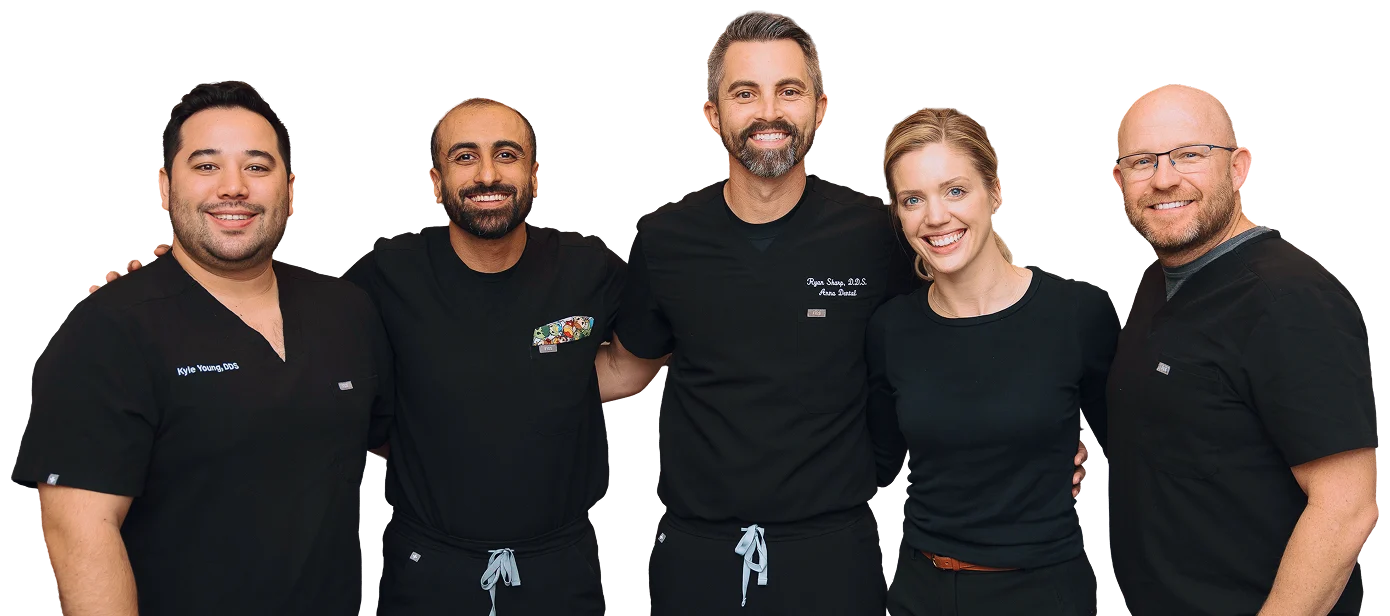
Meet Your Smile Journey Experts
Meet Anna Dental’s exceptional doctors who combine advanced training with genuine compassion for patients of all ages. With specialized expertise in everything from pediatric dentistry to complex implant procedures, our team delivers remarkable results in a welcoming environment.
Authentic Patient Experiences That Showcase Our Commitment to Your Smile
Discover why families throughout Anna, Texas and surrounding communities trust us with their smiles. With over 1,100 five-star Google reviews, these genuine testimonials reflect our commitment to exceptional dental care in a comfortable, welcoming environment.
Donald Gordon
David Bangtson
Vivienne McNeny
Andrew Gullickson
Willy Dayton
Haleigh Greenway
Maria Ly
L Long
Vida Ashayer
Chris Benson
barbara Hatch
Michelle Connors
Haleigh Kyles
Phyllis Barrow
Amy Hickey
Kelly Hutchins
Rick Foreman
Rose Adames
Maria Daleo
anita maples
deidra washington
Ronalea Freeth
Daniel Watson
Tim Mantle
Interwoven Designs
Misty Danner
Anthony Cordero
Amanda Church
Sarah Bray
Brin Maeker
XWZR
Linda Eisenschenk
Rhonda Jaynes
Jill Diane
Clinton McCord
jody stone
Danielle LaMartina
Camille Schneider
Steve Bolgiano
Helen Jones
Be our Next Success Story!
Request an Appointment Today and Join the Community of Satisfied Patients Who’ve Found Their Dental Home at Anna Dental.
Convenient Care, Close To Home
Our state-of-the-art facility welcomes patients from Melissa, Van Alstyne, Blue Ridge, McKinney, and Sherman. You’ll find our practice easily accessible on Anna’s main road, with a bright, modern environment designed for your comfort. Experience cutting-edge dentistry with a small-town feel in our recently built office where advanced technology meets genuine hospitality.


Stop Grinding Today
Be our Next Success Story!
Transform Your Smile
Contact us today and experience the difference of personalized, compassionate dental care.
Search for services, dental procedures, and expert tips from our patient resources.
Popular searches: Dental Implants, Cleanings, In House Plans.