



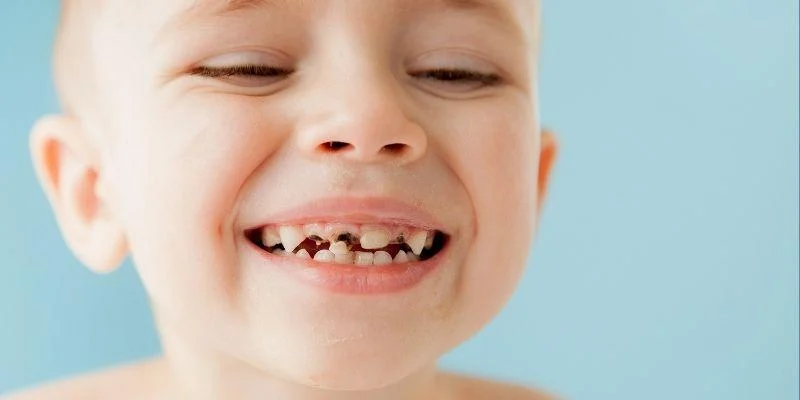
Baby bottle tooth decay is a common problem that many parents might not notice until it’s already causing damage. This type of tooth decay happens when sugary liquids stay on your child’s teeth for too long, especially during sleep, allowing bacteria to cause cavities quickly.
Knowing what causes this and what habits to avoid can help you protect your child’s smile before serious issues start. You might think that baby teeth don’t need much care since they will fall out eventually.
However, early decay can lead to pain, infections, and problems with permanent teeth later on. Simple steps, like proper cleaning, limiting sugary drinks, and not letting your baby fall asleep with a bottle, can make a big difference.
Many parents overlook key habits that increase the risk of baby bottle tooth decay, like sharing utensils or not transitioning to a cup on time. By spotting early signs and making small changes, you can keep your child’s teeth healthy and strong.
Key Takeaways
- Sugar exposure during sleep often leads to tooth decay in babies.
- Early cleaning and healthy habits can prevent most cases.
- Watching for early signs helps catch problems before they get worse.
What Is Baby Bottle Tooth Decay?
Baby bottle tooth decay is a type of tooth decay that can start early in your child’s life. It mainly affects baby teeth and happens when sugary liquids stay on the teeth for long periods.
This can damage tooth enamel and lead to cavities. Globally, early childhood caries, the clinical term that includes baby bottle tooth decay, affects an estimated 570 million children, making it one of the most common chronic childhood conditions worldwide.
Understanding how widespread this issue is highlights why early prevention matters for your child’s long-term oral health.

Common Names for the Condition
Baby bottle tooth decay goes by several names, so you might hear it called early childhood caries, nursing bottle syndrome, or sometimes bottle rot.
These terms all describe the same problem: tooth decay caused by frequent and long exposure to sugary drinks like milk, formula, or juice, especially when your baby falls asleep with a bottle.
Because baby teeth are still developing, their enamel is softer and more prone to decay. These names are used by dentists and health experts to highlight the connection between bottle habits and early tooth damage in infants and toddlers.
Why Baby Teeth Are Vulnerable
Your baby’s first teeth are important, but they are different from adult teeth in a few ways. Baby teeth have thinner enamel, which makes them less resistant to acid attacks from bacteria.
Since the enamel is softer, sugar left on the teeth creates an ideal spot for harmful bacteria to grow. If your baby often drinks from a bottle filled with sugary liquids, the bacteria turn the sugars into acid.
This acid can quickly wear down the baby teeth. Also, bacteria that cause tooth decay can be passed to your baby through saliva.
For example, if you clean a pacifier with your mouth or share spoons, you might unknowingly pass cavity-causing bacteria to your child.
How Decay Progresses in Infants
Decay usually starts as small, white spots near the gum line on the upper front baby teeth. This early damage, if left untreated, can quickly worsen.
Sugary liquids trapped around the teeth, especially when your baby falls asleep with a bottle, feed the bacteria all night. Without saliva to help clean the mouth during sleep, acids build up and erode the enamel.
Over time, these tiny spots turn into cavities, which can cause pain, infection, and problems with chewing or speaking. If the decay becomes severe, it can affect your child’s permanent teeth and overall dental development.
Underlying Causes Parents Often Miss
Understanding what truly causes baby bottle tooth decay can help you better protect your child’s teeth. Some factors aren’t obvious but play a big role in how decay develops.
Knowing these will guide you in making smarter choices every day.
Frequent Exposure to Sugary Liquids
When your child drinks juice, milk, or formula from a bottle, sugars stay on their teeth for a long time. This is especially true if they sip slowly or fall asleep with the bottle.
Sugar from these liquids feeds cavity‑causing bacteria, which produce acids that wear down enamel. Repeated exposure means teeth get coated with sugar and acid several times a day.
In fact, over 10% of children aged 2 to 5 years have at least one untreated cavity in their baby teeth, emphasizing the need for early dental care to prevent decay.
This constant attack makes baby teeth vulnerable because their enamel is thinner than adult teeth. Limiting sugary drinks and offering water between meals can reduce this risk.
Avoid giving juice or sweetened drinks in bottles. Instead, introduce cups around age one to reduce prolonged sugar exposure.
Role of Cavity-Causing Bacteria
Plaque is sticky and filled with bacteria that thrive on leftover sugars. When these bacteria feed, they release acids that weaken your child’s tooth enamel, causing cavities to form quickly.
The thinner enamel on baby teeth means decay can spread fast. Without regular cleaning, plaque builds up and fuels these bacteria.
It’s important to brush your child’s teeth twice a day with a soft toothbrush and a tiny smear of fluoride toothpaste as soon as the first tooth appears. This helps remove plaque and stop bacteria before they create problems.
Regular dental checkups also help catch early signs of decay caused by these bacteria, allowing you to take action immediately.
Bacterial Transmission from Caregivers
It might surprise you to learn that you can pass cavity-causing bacteria to your baby. Sharing spoons, cleaning pacifiers with your mouth, or even blowing on food can transfer harmful bacteria from your mouth to your child’s.
Once these bacteria are in your child’s mouth, they can settle on teeth and begin feeding on sugars. This raises the chance of early decay, especially when combined with frequent sugary drinks.
Avoid sharing utensils or putting your child’s feeding items in your mouth. These small steps reduce bacterial transmission and protect your child’s developing smile.
If you’re in Anna, TX, schedule an appointment with our pediatric dentist today to learn how you can protect your child’s teeth from baby bottle tooth decay.
Risk Factors That Increase Tooth Decay
Certain habits and conditions make it easier for tooth decay to develop in your child’s mouth. Understanding these factors can help you take steps to protect your child’s teeth early on.
Bedtime Bottles and Prolonged Feeding
Putting your baby to bed with a bottle full of milk, formula, or juice is a major risk for tooth decay. When sugary liquids stay on their teeth for hours, especially during sleep, plaque forms and produces acid that damages tooth enamel.
This mainly affects the upper front teeth, which are most exposed during feeding. Prolonged feeding, like letting your child use a bottle as a pacifier, keeps sugar in contact with their teeth too long.
To prevent baby bottle tooth decay, make sure your baby finishes their bottle before bedtime and avoid sugary drinks in bottles. Encourage your child to start drinking from a cup by their first birthday to reduce prolonged exposure.
Poor Oral Care and Hygiene Habits
Good oral care starts before teeth even emerge. Wiping your baby’s gums with a clean, damp cloth after feedings helps remove sugar and bacteria early.
Once teeth appear, brushing them gently with a soft, child-sized toothbrush and a small amount of fluoride toothpaste is vital. Not supervising brushing can lead to leftover plaque, which feeds cavity-causing bacteria.
For young kids, you’ll need to brush their teeth or closely watch until they can brush well on their own, usually around age 6 or 7. Skipping the first dental visit by their first birthday means missing advice on early oral care habits and cavity prevention.
Lack of Fluoride Exposure
Fluoride helps strengthen tooth enamel and fight decay. If your child doesn’t get enough fluoride, they are more at risk for cavities.
This can happen if the water they drink has low fluoride levels or if they don’t use fluoride toothpaste. Using the right amount of fluoride toothpaste for your child’s age is important: a grain-of-rice size for kids under 3, and a pea-sized amount for older toddlers.
Your dentist can help determine if your child needs fluoride supplements. Early fluoride use, combined with good oral care, plays a key role in protecting teeth from decay.
Recognizing Signs and Symptoms Early
Knowing what to look for on your baby’s teeth can help you catch tooth decay before it gets worse. Early changes in color, discomfort, or swelling are clues that something needs attention.
Spotting these signs quickly can protect your child’s smile and comfort.
White Spots and Discoloration
The first sign of tooth decay is often tiny white spots on your baby’s teeth. These spots may look like chalky patches, especially on the front upper teeth.
They happen when the enamel, the hard outer layer of baby teeth, starts to break down. As decay advances, those white areas can turn yellow or brown.
Watch for any dullness or loss of shine on the teeth, as this also signals enamel damage. Since baby teeth have thinner enamel, this damage can happen faster than you might expect.
If you see these changes, it’s a good idea to talk to your pediatric dentist. Early care can often stop decay from getting worse.
Pain, Sensitivity, and Behavioral Changes
Tooth decay can make your baby’s teeth hurt or feel sensitive. This might show up as fussiness during feeding or when touching their mouth.
Your child might avoid eating hot, cold, or sweet foods because of discomfort. Be alert to sudden crying, pulling at their mouth, or trouble sleeping.
These behaviors sometimes mean your baby is in dental pain but can’t tell you exactly what’s wrong. If your little one shows these signs, it is important to check their teeth and get help fast.
Pain means the decay may be deeper and might need treatment beyond basic cleaning.
Visible Cavities and Swollen Gums
When decay is left untreated, small holes or pits can form in baby teeth. These cavities often appear as dark brown or black spots and may get bigger over time.
You might also notice swelling or redness in the gums around the affected teeth. This happens because bacteria from the cavity can irritate the gums and cause infection.
If the gums are swollen or your baby shows signs of discomfort, see a dentist right away. Treating cavities early helps prevent pain, infection, or even tooth loss.
In Anna, TX? Contact us for a professional evaluation of your child’s teeth and get the help you need to prevent baby bottle tooth decay.
Effective Solutions Parents Commonly Overlook
Many parents focus on brushing and diet but miss key steps that protect your child’s teeth from early decay. Small changes in daily habits and timely dental care can make a big difference in preventing baby bottle tooth decay.
Early Oral Hygiene Practices
As soon as your baby’s first tooth appears, start cleaning it gently. Use a soft, child-sized toothbrush with just a smear of fluoride toothpaste, about the size of a grain of rice.
Brushing twice a day helps remove plaque, which is a sticky film of bacteria that produces acids and causes tooth decay. Before teeth come in, wipe your baby’s gums with a soft, damp cloth after feedings.
This removes sugars and reduces bacteria build-up. Avoid sharing spoons or cleaning pacifiers with your mouth, as this can pass cavity-causing bacteria to your baby.
Starting these habits early builds a good oral care routine and can prevent the start of tooth decay.
Switching from Bottle to Cup
Prolonged bottle use is a major cause of baby bottle tooth decay. When babies drink from bottles for long periods, sugary liquids stay on their teeth, feeding cavity-causing bacteria.
Try to wean your child from the bottle by around 12 months. Introduce a cup or sippy cup gradually, so your child gets used to it.
Limiting bottle use to meal times helps reduce constant exposure to sugars. Avoid letting your child fall asleep with a bottle unless it contains only water.
Water does not feed bacteria, so it’s safer for nighttime.
Limiting Sugary Drinks and Snacks
Sugary drinks like juice or sweetened formula raise the risk of tooth decay because the natural sugars feed bacteria in your child’s mouth. Avoid offering sugary liquids in bottles or cups throughout the day.
Stick to milk, water, or unsweetened drinks. If you do give juice, limit it to small amounts at mealtime only.
Be careful with snacks too. Choose fresh fruits, vegetables, or plain crackers instead of sugary or sticky treats that cling to teeth and promote decay.
Keeping sugar intake low throughout the day helps reduce plaque buildup and acid attacks on your child’s teeth.
Scheduling the First Dental Visit
The American Academy of Pediatric Dentistry recommends taking your child to the dentist by age one or within six months of their first tooth appearing. This early visit allows the dentist to check for signs of decay and guide you on care routines.
A pediatric dentist can spot early problems you might miss and offer treatments like fluoride varnish to strengthen teeth.
Regular dental visits also teach your child to feel comfortable in the dental chair. This helps prevent anxiety later.
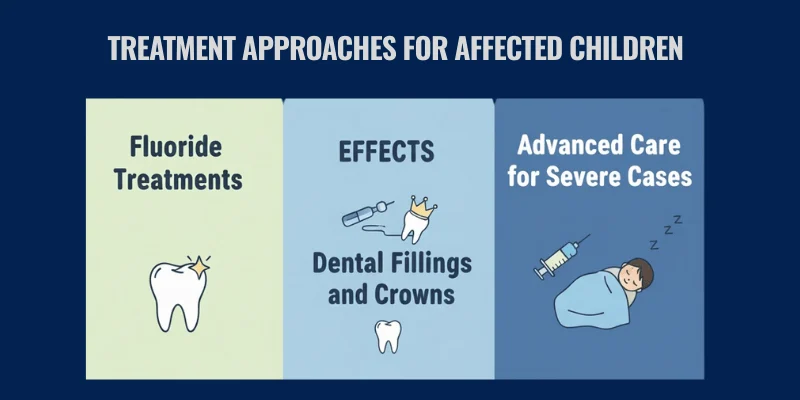
Treatment Approaches for Affected Children
If your child has baby bottle tooth decay, there are several treatment options that dentists use based on the severity of the decay. These treatments aim to stop the decay and repair damaged teeth.
Knowing what to expect can help you feel more prepared and confident.
Fluoride Treatments
Fluoride is a key player in treating early tooth decay. For mild cases, where the enamel is just starting to weaken or show white spots, fluoride treatments can help stop or even reverse the damage.
Dentists apply a fluoride varnish or gel directly to your child’s teeth. This strengthens the enamel, making it harder for acids from bacteria to cause more harm.
You can support treatment at home by using a fluoride toothpaste—just a tiny smear for babies or a pea-sized amount for toddlers.
This treatment is painless and easy, making it suitable for infants as young as six months old.
Dental Fillings and Crowns
When cavities have formed, fluoride alone isn’t enough. Your child may need fillings or crowns to fix tooth decay.
Fillings are made of a durable resin that fills holes in baby teeth and restores their shape and function. This prevents decay from spreading further.
If the decay is more severe, a crown might be necessary. Crowns cover and protect a tooth that has lost a lot of structure.
They are usually made of stainless steel for baby teeth because they are strong and safe. Both treatments help your child chew comfortably and keep baby teeth in place until permanent teeth come in.
Advanced Care for Severe Cases
In serious cases where decay has reached the tooth pulp, which is the inner part with nerves and blood vessels, more complex treatments are needed. This may include pulp therapy, sometimes called a baby root canal, which removes infected tissue inside the tooth while saving the healthy parts.
If the tooth cannot be saved due to extensive damage or infection, extraction might be required. Dentists may place space maintainers to keep the gap open for adult teeth.
Managing pain during these treatments is important. Your dentist can recommend safe options like acetaminophen to keep your child comfortable throughout the process.
Concerned about your child’s tooth decay? Contact our Anna, TX office for a comprehensive consultation and treatment plan designed to restore your child’s oral health.
Frequently Asked Questions
You can watch for early signs like white spots or discoloration on your child’s teeth. Cleaning teeth gently but thoroughly and avoiding sugary drinks, especially at night, are key habits to protect their smile.
What are the signs of early tooth decay in toddlers?
Look for white spots near the gumline, brown or dark areas, and any sensitivity your child shows when eating. Changes in their eating habits or discomfort may also signal early tooth decay.
Can nighttime bottle-feeding lead to dental issues in infants?
Yes. Falling asleep with a bottle containing milk, formula, or juice lets sugar stay on teeth longer.
Saliva flow slows during sleep, which increases the risk of cavities.
What are the best ways to clean a baby’s teeth?
Before teeth come in, wipe gums with a damp cloth after feedings. Once teeth appear, use a soft infant toothbrush with a tiny smear of fluoride toothpaste to brush twice daily.
How often should children visit the dentist to avoid tooth decay?
It’s best to have your child seen by a dentist every six months. Regular checkups catch early problems and help you keep up with good dental habits.
Are there any specific types of bottles that help prevent tooth decay?
Bottles designed with anti-colic features don’t necessarily prevent decay. What matters more is limiting sugary liquids and avoiding letting your child sip all day or fall asleep with a bottle.
What dietary changes can minimize the risk of tooth decay in young children?
Offer water between meals. Limit juices and sweetened drinks.
Transition from bottles to cups around one year old. This reduces constant sugar exposure on teeth.

