




Fluoride treatments are a common way to help protect your child’s teeth from cavities and decay. Many parents wonder if these treatments are safe and how they actually work.
Fluoride strengthens your child’s teeth by making the enamel more resistant to acid attacks caused by bacteria and sugars. You might also hear different ideas about fluoride and wonder which ones are true.
It’s important to understand the facts so you can make the best choices for your child’s dental health. This article will clear up common myths, explain how fluoride treatments help, and discuss safety to give you confidence in fluoride’s role in your child’s oral care.
Key Takeaways
- Fluoride helps protect and strengthen children’s teeth against cavities.
- Fluoride treatments are safe when used correctly by dental professionals.
- Understanding facts about fluoride helps you make informed decisions for your child’s dental care.
How Fluoride Prevents Cavities in Children
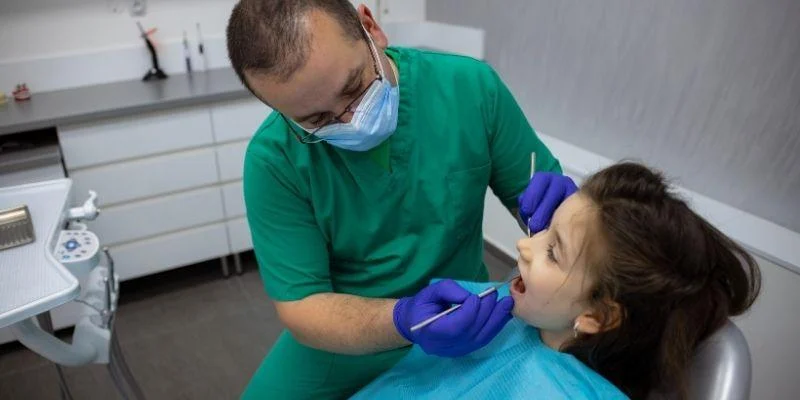
Fluoride works in several ways to keep your child’s teeth strong and healthy. It helps build tough enamel, repairs early damage, and slows down harmful plaque.
These actions all lower the chances of cavities forming.
Role of Fluoride in Tooth Enamel Development
Tooth enamel is like a shield for your child’s teeth. Fluoride helps make this shield stronger during its development.
When your child consumes fluoride through water, toothpaste, or treatments, it gets absorbed into the enamel. This process makes the enamel more resistant to acid attacks caused by bacteria.
Strong enamel means teeth can better fight off decay. Since children’s teeth are still forming, getting enough fluoride early on is important to build a durable defense.
Remineralization and Reversal of Early Tooth Decay
Fluoride helps bring back minerals lost from the enamel when acid from food or plaque attacks teeth. This process, called remineralization, repairs small areas of damage before they become cavities.
When decay starts, fluoride attracts minerals like calcium and phosphate to the weakened spots, reinforcing them. This stops early tooth decay and keeps your child’s teeth healthier without needing fillings.
Regular exposure to fluoride through toothpaste or treatments helps this natural repair happen more often and faster.
Fluoride and Plaque Reduction
Plaque is a sticky film full of bacteria that causes cavities. Fluoride doesn’t kill bacteria directly but reduces their ability to produce acid that harms teeth.
It changes how plaque interacts with your child’s teeth, making enamel less likely to break down. Fluoride also slows plaque growth, which lowers the overall risk of cavities.
By helping manage plaque’s effects, fluoride supports your child’s mouth in staying clean and cavity-free between brushing.
Looking for professional fluoride treatments in Anna, TX? Schedule an appointment with our pediatric dentist today to ensure your child’s smile stays healthy and strong.
Types of Fluoride Treatments for Kids
Fluoride comes in different forms, each helping protect your child’s teeth in unique ways. Some are applied directly to the teeth, while others work from inside the body.
Knowing the types can help you choose what fits your child’s needs best.
Topical Fluoride: Toothpaste, Mouth Rinse, and Varnish
Topical fluoride works by directly strengthening the enamel on your child’s teeth. The most common form is fluoride toothpaste for children, which you should use twice daily.
It’s important to use only a pea-sized amount and supervise young kids to avoid swallowing too much fluoride. Mouth rinses with fluoride are another option, often recommended for older children who can rinse and spit safely.
These rinses help reduce cavities by coating teeth in fluoride. A stronger option is fluoride varnish, usually applied by a pediatric dentist.
This sticky coating stays on teeth longer, providing extra protection, especially for kids at high risk of cavities. It is quick and painless, making it an easy way to boost your child’s dental health.
Systemic Fluoride: Water and Supplements
Systemic fluoride works differently. It enters the body and helps teeth develop stronger from within.
The main source is fluoridated water, which many communities add to the drinking water supply. Drinking fluoridated water helps your child’s teeth grow stronger before they even come in.
If your child doesn’t have access to fluoridated water, your dentist might suggest fluoride supplements like tablets or drops. These are given by mouth and help prevent decay, especially for young children.
Always use supplements only as your pediatric dentist advises, since too much fluoride can cause mild tooth discoloration known as fluorosis.
Professional Fluoride Applications at the Dentist
Professional fluoride treatments at the dentist deliver a high concentration of fluoride safely and effectively. Your pediatric dentist applies this fluoride in the form of a gel, foam, or varnish during regular check-ups.
These applications protect teeth by making the enamel harder and more resistant to acid attacks from plaque bacteria and sugary foods. They’re especially useful if your child has a history of cavities or other risk factors.
These treatments are painless, quick, and tailored to your child’s dental needs. Your dentist will recommend the right schedule for fluoride applications to keep your child’s smile healthy and strong.
Want to learn more about fluoride’s role in your child’s dental health in Anna, TX? Contact us today to discuss the best fluoride options for your little one’s needs!
Recommended Fluoride Use by Age
Fluoride helps protect your child’s teeth from early on, but the right amount changes as they grow. Knowing how much fluoride is safe and effective at each age keeps their smile strong and healthy.
Fluoride Guidelines for Infants and Toddlers
For infants under 6 months, the American Dental Association (ADA) says fluoride toothpaste is not needed because babies mostly get fluoride from breast milk or formula.
Once your baby’s first teeth start to come in, usually around 6 months, you can begin brushing with a tiny smear of fluoride toothpaste, which is about the size of a grain of rice.
This small amount helps protect their new teeth without swallowing too much fluoride. Avoid fluoride supplements unless your pediatrician or dentist recommends them.
If your tap water isn’t fluoridated, they may suggest supplements to help prevent cavities. Always supervise tooth brushing to keep your toddler from swallowing toothpaste.
Fluoride Recommendations for Children Ages 3–6
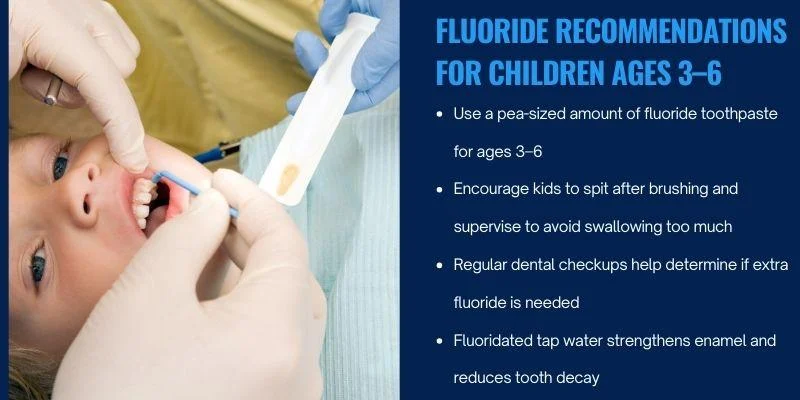
Between ages 3 and 6, your child should use a pea-sized amount of fluoride toothpaste. The American Academy of Pediatrics (AAP) and pediatric dentists agree that this amount balances cavity prevention and safety.
Encourage your child to spit out the toothpaste after brushing but don’t worry if they swallow a little. You should continue supervising brushing to make sure they don’t swallow excess toothpaste.
Regular dental checkups will help decide if fluoride treatments or supplements are needed based on your child’s risk for cavities. Drinking fluoridated water is also important during these years.
The fluoride in water supports enamel and can reduce tooth decay, so tap water is a good natural source.
Safe Fluoride Use for School-Aged Kids
By the time children reach school age (6 and older), they usually can brush their teeth properly with supervision fading. The ADA recommends continuing with fluoride toothpaste in a pea-sized amount twice a day.
Professional fluoride treatments at the dentist every 3-6 months can add extra protection if your child is prone to cavities. If your child’s water source lacks fluoride, your dentist may suggest supplements.
It’s important to follow the guidelines for the right amount of fluoride. Using too much can cause mild white spots on teeth called dental fluorosis, but this happens mostly in young children who swallow large amounts of toothpaste.
Managing fluoride use responsibly supports your child’s oral health and helps keep their teeth strong for life.
Safety of Fluoride in Children
Fluoride is carefully used to protect your child’s teeth, but it’s important to control how much they get. Using the right amount helps prevent problems like dental fluorosis while keeping teeth strong.
Experts have clear guidelines to make sure fluoride is safe for your kids.
Dental Fluorosis: Causes and Prevention
Dental fluorosis happens when children swallow too much fluoride while their teeth are still forming, usually before age 8. It causes white spots or streaks on the teeth, which are mostly cosmetic and don’t harm dental health.
The main cause is swallowing fluoride toothpaste or taking too many fluoride supplements. To prevent this, use only a small, pea-sized amount of toothpaste for kids under six.
Also, supervise brushing to stop swallowing. If your water has fluoride, your dentist can help you balance your child’s total fluoride intake.
Managing Fluoride Amounts for Kids’ Safety
Protecting your child means giving them just the right amount of fluoride. Too little won’t protect teeth; too much can cause fluorosis.
The American Dental Association recommends fluoride toothpaste twice daily, using a pea-sized amount for young kids. Fluoride in drinking water is carefully regulated to keep levels safe and effective.
If you are unsure about your water’s fluoride content, your pediatric dentist can test it. Avoid fluoride supplements unless your dentist says your child needs them, especially if your water is already fluoridated.
Expert Endorsements and Safety Guidelines
Leading groups like the American Dental Association and the American Academy of Pediatrics agree fluoride is safe and important for kids. They recommend using fluoride toothpaste and professional treatments as needed.
These organizations emphasize supervising kids when brushing and following dosage rules. They also support community water fluoridation as a safe way to prevent tooth decay.
By following these expert guidelines, you can help keep your child’s smile healthy without risking side effects.
Reach out to our expert team to get all the facts and start protecting your child’s teeth from cavities today!
Common Myths and Facts About Fluoride Treatments
You might have heard many things about fluoride and its effects on health and teeth. Some ideas confuse people, while others are based on old or incorrect information.
It helps to clear up what is true and what is not when it comes to fluoride treatments.
Debunking Misconceptions About Fluoride Toxicity
Many worry that fluoride is dangerous or toxic. The truth is, fluoride used in drinking water and dental treatments is carefully controlled.
It is added in small amounts to help strengthen your child’s tooth enamel by working with minerals like calcium and phosphate. Fluoride is an ion naturally found in water, and when used properly, it is safe.
The amount in fluoridated water is about 0.7 mg per liter, which is low and meant just to protect teeth. High toxicity claims often mix up fluoride with industrial chemicals or large doses, which are very different from what you get in treatments or water.
This makes fluoridated water a safe and effective way to help prevent tooth decay in kids without harming their overall health.
Is Bottled Water Safe and Effective for Kids’ Teeth?
You might wonder if bottled water provides the same dental benefits as fluoridated tap water. Most bottled waters do not contain fluoride, or have very little, which means they don’t offer the same protection against cavities.
If your child drinks mostly bottled water, they might miss the fluoride necessary for keeping enamel strong. In places without fluoridated water, dentists often recommend fluoride tablets or treatments to fill this gap.
To keep your child’s teeth healthy, you should check if the bottled water you use contains fluoride and talk to your dentist about whether your child needs extra fluoride protection. This advice can help you balance your child’s water intake with their oral care needs.
Fluoride Myths Related to IQ and Overall Health
Some stories say fluoride lowers IQ or causes health problems. These claims often come from studies where fluoride levels were very high, much more than in community water systems.
For example, research referenced about IQ involved fluoride at 11.5 mg per liter. This is over 15 times higher than the recommended 0.7 mg in drinking water.
Reliable health organizations agree that the fluoride levels used in water fluoridation do not harm children’s brain development or general health.
If you hear about fluoride being unsafe for overall health, remember to check the source and the fluoride amount involved.
Frequently Asked Questions
Fluoride treatments help protect your child’s teeth in different ways and are widely used by dentists.
Understanding their safety, how they affect brain development, and the use of fluoride toothpaste can help you make the best choices for your child’s dental care.
What are the benefits of fluoride treatments for children’s dental health?
Fluoride treatments strengthen your child’s tooth enamel, making it harder for acid from bacteria to cause decay.
They also help reverse early signs of cavities before they get worse.
Regular fluoride applications can reduce tooth decay by about 25%.
This protection helps kids maintain healthier teeth as they grow.
Is fluoride treatment safe for my child, and what are the potential side effects?
Yes, fluoride treatments are safe when used correctly.
Your dentist applies fluoride in controlled amounts, so your child won’t get too much.
Some children may experience mild dental fluorosis, which looks like faint white spots on the teeth but does not harm them.
This usually happens only if there is too much fluoride over time.
Can fluoride treatments affect my child’s brain development?
Fluoride at the levels used in drinking water and dental treatments has not been linked to changes in IQ or brain development.
Studies that suggested issues involved fluoride levels much higher than those recommended in the U.S.
What are the pros and cons of using fluoride toothpaste for babies?
Using fluoride toothpaste helps fight bacteria and strengthens the enamel as soon as your baby’s first tooth appears.
The American Academy of Pediatrics suggests a tiny smear (about the size of a grain of rice) for babies under 3.
The downside is if your baby swallows too much toothpaste regularly, it can cause mild fluorosis on developing teeth.
Teach your child to spit out toothpaste when they can.
Why do some dentists and parents oppose the use of fluoride for kids?
Some parents worry about fluoride safety because of misinformation or concerns about overexposure.
A few dentists may also prefer minimal fluoride use for children at low risk of cavities.
If you have concerns, talk openly with your child’s dentist.
How does the fluoride in drinking water impact children’s overall health?
Fluoridated water helps reduce tooth decay in children across entire communities. It’s considered safe and effective by many health organizations, including the CDC and ADA.
If you live where the water isn’t fluoridated, you might want to discuss fluoride supplements or treatments with your pediatrician or dentist. Drinking water with fluoride is a simple way to protect teeth every day.

