




You’ve probably heard stories about laughing gas at the dentist that made you wonder what’s true and what’s just fiction. Maybe someone told you it makes you act silly, or perhaps you’re worried it’s dangerous for your health.
Nitrous oxide, commonly called laughing gas, is one of the safest and most effective forms of sedation used in dentistry today, but many myths surround its use.
When treating cavities in toddlers and adults alike, dentists often rely on laughing gas to ease anxiety and discomfort.
Understanding the real facts about laughing gas can help you make better decisions about your dental care. You’ll discover how it actually works, what to expect during treatment, and whether it might be the right choice for your next dental visit.
What Is Laughing Gas and How Is It Used in Dentistry?
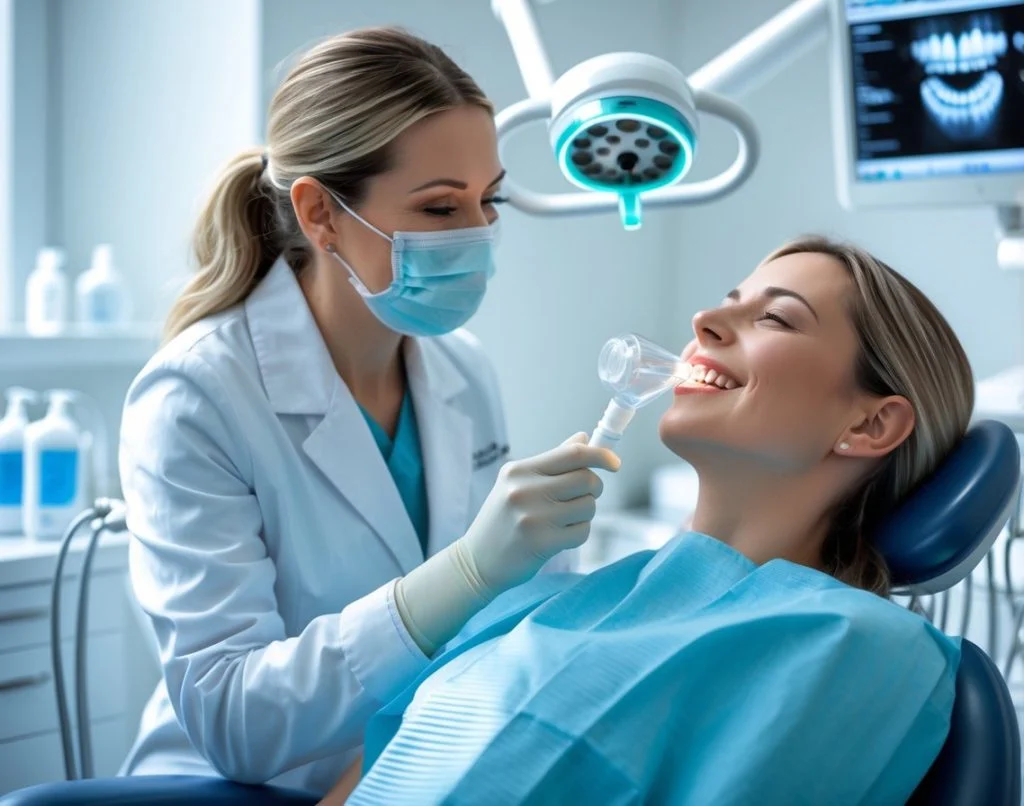
Nitrous oxide is a colorless gas that dentists mix with oxygen to help patients feel calm during dental work. This mild form of sedation works quickly and wears off fast, making it one of the most popular sedation options in dental offices.
History and Definition of Nitrous Oxide
Nitrous oxide has been used in medicine for over 150 years. Dentists first started using this gas in the 1840s to help patients feel less pain during tooth extractions.
The gas gets its nickname “laughing gas” because it can make some people feel giggly or happy. But you won’t necessarily laugh when you breathe it.
What nitrous oxide really is:
- A chemical compound made of nitrogen and oxygen
- A sweet-smelling, non-irritating gas
- Safe for most dental procedures
- Different from other sedatives because it’s inhaled
Today, nitrous oxide remains one of the most prevalent types of sedation used in dentistry. It gives dentists a reliable way to help anxious patients without the risks of stronger sedation methods.
How Dentists Administer Nitrous Oxide
Your dentist will place a small mask over your nose to give you the nitrous oxide. The mask connects to a machine that controls how much gas you breathe.
You’ll breathe normally through your nose while the dentist adjusts the gas levels. Most patients need between 20% to 50% nitrous oxide mixed with oxygen.
The process works like this:
- First, you breathe pure oxygen for a few minutes
- Then the dentist slowly adds nitrous oxide
- You’ll start feeling relaxed within 2-3 minutes
- The dentist adjusts levels based on how you feel
The dentist can change the amount of gas during your treatment. If you feel too drowsy, they can lower it. If you’re still nervous, they can increase it slightly.
Nitrous oxide is often the first line of defense when dentists need to manage mild anxiety or control your gag reflex during procedures.
How Nitrous Oxide Works on the Brain and Body
Nitrous oxide affects your brain by slowing down messages between nerve cells. This makes you feel calm and reduces your awareness of pain or discomfort.
The gas enters your bloodstream through your lungs. Because it doesn’t dissolve well in blood, it reaches your brain quickly and leaves just as fast when you stop breathing it.
Effects you might notice:
- Feeling relaxed and less worried
- Tingling in your hands or feet
- Slight dizziness or floating sensation
- Reduced sensitivity to pain
- Time seeming to pass quickly
Your breathing and heart rate stay normal with nitrous oxide. Unlike stronger sedatives, you stay awake and can talk to your dentist throughout the procedure.
When your dental work is done, you’ll breathe pure oxygen for a few minutes. The nitrous oxide leaves your system completely within 5-10 minutes, so you can drive home safely afterward.
Common Myths About Laughing Gas in Dentistry

Many people believe incorrect things about nitrous oxide that can make them worry about dental visits. The truth is that laughing gas works differently than most people think and is much safer than many assume.
Myth: Laughing Gas Makes You Uncontrollably Laugh or Spill Secrets
You won’t suddenly start laughing uncontrollably or reveal your deepest secrets when you use nitrous oxide. This is one of the biggest myths about dental sedation.
What Actually Happens:
- You stay fully conscious and aware
- You can talk normally with your dentist
- You remember everything that happens during your visit
- You might feel relaxed or slightly giggly, but you control your words
The name “laughing gas” comes from early experiments in the 1800s when people used much higher doses for entertainment. Your dentist uses very small, controlled amounts that won’t make you lose control.
You can respond to questions and follow instructions throughout your dental procedure. Many patients feel calm and comfortable, but they don’t become silly or talkative in ways they wouldn’t normally be.
The gas simply helps reduce anxiety and discomfort. You remain in charge of what you say and do during your appointment.
Myth: Laughing Gas Puts You to Sleep
Nitrous oxide does not make you fall asleep during dental work. This is a common misunderstanding about how this type of sedation works.
Key Differences:
- Laughing gas: You stay awake and alert
- General anesthesia: You become unconscious
- IV sedation: You may fall asleep
You will be conscious throughout your entire dental visit when using nitrous oxide. You can hear your dentist talking and respond when needed.
The gas helps you feel relaxed and less worried about the procedure. Some patients describe feeling dreamy or floaty, but they never lose consciousness.
This makes nitrous oxide very safe compared to other sedation options. Your dentist can talk with you during treatment to make sure you’re comfortable.
You can even ask questions or let your dentist know if you need a break. The gas wears off quickly once your dentist stops giving it to you.
Myth: Laughing Gas Is Unsafe or Outdated
Laughing gas is actually very safe and still widely used in modern dentistry.
Safety Features:
- Your dentist monitors you closely during use
- The gas leaves your body quickly when you breathe normal air
- Side effects are rare and usually mild
- You can drive home after your appointment
Modern dental offices use precise equipment to control exactly how much nitrous oxide you receive. The gas mixes with oxygen to keep you safe and comfortable.
Common mild side effects may include:
- Slight nausea
- Dizziness
- Headache
These effects go away within minutes after your treatment ends. Serious problems are extremely rare when dentists use proper techniques.
Many dental practices choose nitrous oxide because it has such a good safety record. It works well for both children and adults who feel nervous about dental procedures.
Still unsure about laughing gas? Our Anna, TX dental team will walk you through every step so you feel calm, informed, and fully in control.
Facts About Laughing Gas: Safety, Effects, and Benefits
Laughing gas offers controlled sedation that keeps you awake while reducing anxiety and discomfort. The effects wear off quickly once you stop breathing the gas, letting you return to normal activities right away.
Sedation Levels and Staying Conscious
Laughing gas provides mild to moderate sedation without making you unconscious. You stay awake and aware during your dental procedure.
Your dentist controls the exact amount of gas you receive. They can adjust the sedation level based on your needs and comfort.
Unlike deeper forms of sedation in dentistry, you can still:
- Talk to your dentist
- Follow simple instructions
- Respond to questions
- Remember most of the procedure
You remain in control throughout your treatment. This makes laughing gas one of the safest sedation options available.
The gas works within minutes of breathing it. Your dentist will find the right level where you feel relaxed but still alert.
Effects and Typical Experiences
Most people feel calm and relaxed when breathing laughing gas. You might notice a floating sensation or mild euphoria.
Common effects include:
- Reduced anxiety and fear
- Less awareness of pain
- Tingling in arms and legs
- Slight drowsiness
- Feeling disconnected from your surroundings
Some people giggle or feel silly, which is why it’s called “laughing gas.” Others simply feel peaceful and comfortable.
Your breathing and heart rate stay normal. The gas doesn’t affect your body’s vital functions like deeper sedation methods do.
You won’t feel sick or nauseous from the gas itself. Any dental work discomfort becomes much more manageable.
Quick Recovery and Return to Normal Activities
When you stop breathing in nitrous oxide, the effects subside within five minutes. This fast recovery sets laughing gas apart from other sedation options.
No lingering drowsiness affects you after treatment. You can drive yourself home safely once the appointment ends.
Your dentist will give you pure oxygen for a few minutes after removing the gas mask. This helps clear any remaining nitrous oxide from your system.
You can return to work, school, or normal activities immediately. No recovery time is needed like with oral sedation or IV sedation.
This quick turnaround makes laughing gas perfect for busy schedules. You won’t lose a whole day to dental sedation recovery.
Potential Side Effects and Risks of Nitrous Oxide
Most people experience only mild effects from nitrous oxide that go away quickly after treatment. Dentists follow strict safety rules to keep you safe during dental procedures.
Mild Side Effects and Their Duration
You might feel dizzy or lightheaded while breathing nitrous oxide. This feeling is normal and happens to many patients.
Some people get mild nausea during treatment. Your dentist can adjust the gas levels if you feel sick.
You may notice tingling in your arms or legs. This sensation goes away once the nitrous oxide stops.
Headaches can happen after your dental visit. These usually last only a few hours.
Your mouth might feel dry during the procedure. This is temporary and not harmful to your oral health.
Most side effects disappear within 5 to 10 minutes after you stop breathing the gas. Your dentist will give you pure oxygen at the end to help clear the nitrous oxide from your body faster.
Very few people have serious reactions to laughing gas. Tell your dentist right away if you feel very sick or have trouble breathing.
Safety Measures Taken by Dentists
Your dentist checks your medical history before using nitrous oxide. They need to know about any health problems you have.
Dentists use special equipment that mixes the right amounts of nitrous oxide and oxygen. Too much nitrous oxide can be dangerous.
Pulse monitors track your heart rate during treatment. Your dentist watches these numbers to make sure you stay safe.
The gas flows through a small mask over your nose. Your dentist adjusts the levels based on how you feel.
Dentists get special training to use nitrous oxide safely. They know how to handle problems if they happen during dental procedures.
Your dentist will ask how you feel throughout your visit. They can change the gas levels or stop using it if needed.
The room has good air flow to prevent gas from building up. This protects both you and your dental team.
Your safety is always our top priority. At Anna Dental in Anna, TX, every sedation procedure is carefully monitored for your comfort and peace of mind.
Laughing Gas Compared to Other Dental Sedation Methods
Nitrous oxide tends to be less expensive per visit than oral sedation and works faster than other sedation methods. It only takes 20 seconds for nitrous oxide to take effect compared to longer wait times with other options.
Laughing Gas vs. Oral Sedation
Oral sedation involves taking pills before your dental appointment. You’ll need to wait 30 to 60 minutes for the medication to work.
Speed of Action:
- Nitrous oxide works in 20 seconds
- Oral sedation takes 30-60 minutes to begin working
Recovery Time: Laughing gas wears off within minutes after removing the mask. You can drive yourself home right after your appointment.
Oral sedation can make you drowsy for several hours. You’ll need someone to drive you to and from your dental visit.
Cost Differences: Generally, nitrous oxide tends to be less expensive per visit than oral sedation. Insurance coverage varies for both types of sedation dentistry.
Level of Sedation: Nitrous oxide provides mild relaxation while keeping you fully aware. Oral sedation can range from mild to moderate, sometimes making you very drowsy or sleepy during treatment.
Laughing Gas vs. IV Sedation
IV sedation delivers medication directly into your bloodstream through a small needle in your arm. This method provides deeper sedation than laughing gas.
Depth of Sedation: Nitrous oxide keeps you awake and alert during your procedure. IV sedation can make you very drowsy or put you in a twilight state where you may not remember the treatment.
Administration Method: Nitrous oxide is delivered through a mask that fits over your nose. IV sedation requires inserting a needle into your vein.
Recovery and Monitoring: With laughing gas, its effects wear off soon after removing the mask. IV sedation requires careful monitoring during treatment and a longer recovery period.
Suitable Procedures: Nitrous oxide works well for routine cleanings and simple procedures. IV sedation is better for longer, more complex dental work or patients with severe anxiety.
Who Can Benefit from Laughing Gas in Dental Procedures?
Laughing gas helps many patients feel relaxed during dental work, especially those with dental anxiety or fear of specific treatments like tooth extractions. Children and adults who feel nervous about dental visits often find this mild sedation makes their experience much more comfortable.
Ideal Candidates and Common Dental Treatments
You might be a good candidate for laughing gas if you feel nervous or scared about dental work. This includes people who have had bad dental experiences in the past or those who avoid the dentist altogether.
Common situations where laughing gas helps include:
- Routine cleanings for anxious patients
- Tooth extraction procedures
- Root canal treatments
- Crown or bridge work
- Multiple dental procedures in one visit
Your dentist might recommend laughing gas if you have a strong gag reflex. This makes it hard for dentists to work in your mouth during normal dental treatment.
People with certain medical conditions may benefit too. However, people with heart disease have special needs when getting dental care, so you should always tell your dentist about any health problems.
You should not use laughing gas if you are pregnant in your first trimester. People with certain breathing problems or those who cannot breathe through their nose may also need different options.
Laughing Gas for Children and Anxious Patients
Children often benefit greatly from laughing gas during their dental visit. It helps them stay calm and still while the dentist works. Many kids actually enjoy the mild, dreamy feeling it creates.
Laughing gas works well for children who:
- Cry or fight during dental procedures
- Have trouble sitting still
- Feel scared of dental tools or sounds
- Need longer treatments
Adults with severe dental anxiety also find laughing gas very helpful. If you feel panic or extreme fear about dental work, this mild sedation can make treatment possible.
The gas works quickly and wears off fast. You will feel relaxed but stay awake and able to respond to your dentist. Most people can drive themselves home after the gas wears off completely.
Your dentist can adjust the amount of gas based on your needs. Some people need very little to feel calm, while others may need more to feel comfortable during their dental treatment.
Frequently Asked Questions
Nitrous oxide offers several benefits for dental patients but comes with specific safety considerations and limitations. The gas works quickly to reduce anxiety and has a short recovery time, though it may not be suitable for every procedure or patient.
What are the benefits of using laughing gas during dental procedures?
Laughing gas helps you feel calm and relaxed during dental work. It reduces pain and makes you less aware of uncomfortable sensations.
The gas works fast, usually taking effect within 2-3 minutes. You stay awake and can respond to your dentist’s instructions.
Your anxiety drops significantly while using nitrous oxide. This makes it easier to sit still during longer procedures.
Can laughing gas be used for all dental treatments?
Laughing gas works well for routine cleanings, fillings, and crown preparations. It’s also helpful for minor oral surgery procedures.
You might need stronger sedation for complex surgeries or wisdom tooth removal. Some procedures require you to be completely still, which may need different options.
Your dentist will decide based on the length and type of treatment you need. Your medical history also affects whether nitrous oxide is right for you.
How does laughing gas help alleviate dental anxiety?
Nitrous oxide changes how your brain processes fear and stress signals. You feel more relaxed and less worried about dental procedures.
The gas creates a mild euphoric feeling that reduces negative thoughts. Time often seems to pass more quickly while you’re using it.
You remain conscious and can communicate with your dentist. This helps you feel more in control compared to deeper sedation methods.
How long does the effect of laughing gas last after a dental procedure?
The effects wear off within 3-5 minutes after your dentist stops the gas flow. You breathe pure oxygen for a few minutes to clear the nitrous oxide from your system.
Most people can drive and return to normal activities immediately after treatment. You won’t feel groggy or impaired like with other sedation types.
Your dentist will make sure you feel completely normal before letting you leave. The quick recovery time makes nitrous oxide very convenient for busy schedules.

