



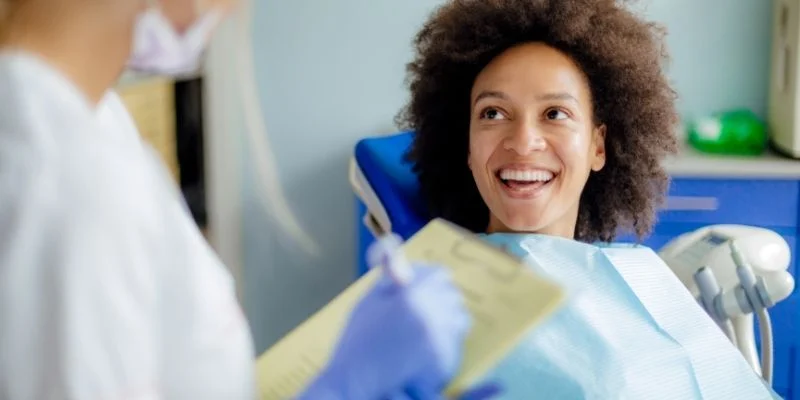
Going to the dentist can feel scary for anyone, but it becomes much harder when you have PTSD. The sounds, smells, and feeling of being trapped in the dental chair can trigger painful memories and panic attacks.
Sedation dentistry offers a safe way for people with PTSD to get the dental care they need without the overwhelming fear and anxiety. This approach uses different types of medication to help you feel calm and relaxed during your visit.
You don’t have to avoid dental care because of your trauma. With the right dentist and sedation methods, you can take care of your teeth and gums while feeling safe and in control.
Understanding PTSD and Its Impact on Dental Care

PTSD creates unique challenges that can make dental visits feel overwhelming and scary. The disorder causes specific symptoms that directly affect your ability to feel safe and comfortable during dental treatment.
Defining Post-Traumatic Stress Disorder
PTSD is a mental health condition that develops after you experience or witness a traumatic event. This disorder affects how your brain processes fear and stress.
Your mind and body stay on high alert even when you’re safe. This happens because trauma changes how your nervous system works.
Common traumatic events that cause PTSD include military combat, sexual assault, serious accidents, or childhood abuse. Medical trauma from past dental or medical procedures can also trigger PTSD.
Not everyone who experiences trauma develops PTSD. The disorder occurs when your brain has trouble processing and recovering from the traumatic experience.
PTSD affects about 3.6% of adults in the United States each year. Women are twice as likely as men to develop this condition.
Common PTSD Symptoms Relevant to Dentistry
Several PTSD symptoms can make dental care particularly challenging for you. These symptoms often get worse in medical or dental settings.
Hypervigilance makes you constantly scan for danger. In a dental office, you might feel trapped or unable to escape from the dental chair.
Flashbacks can happen when dental tools, sounds, or positions remind you of your trauma. The whirring of dental equipment or lying flat might trigger these memories.
Panic attacks involve sudden intense fear with physical symptoms like:
- Racing heart
- Sweating
- Trouble breathing
- Feeling dizzy
Avoidance behaviors lead you to skip dental appointments entirely. You might cancel appointments or avoid scheduling them for years.
Sleep problems and concentration issues can make it hard to follow dental care instructions at home.
Why Dental Visits Are Challenging for PTSD Patients

PTSD can make dental visits feel scary and hard to handle. Your past trauma can be triggered by common things at the dental office, leading to a cycle where you avoid care and your teeth get worse.
Triggers in the Dental Setting
The dental office has many things that can trigger PTSD symptoms. Loud noises from drills and suction tools can remind you of traumatic sounds. The bright lights shining in your face might make you feel trapped or helpless.
Being in the dental chair puts you in a vulnerable position. You lie back while someone works over you with sharp tools. This can trigger feelings of being powerless or unsafe.
Physical sensations during dental procedures can also cause problems. The pressure, vibrations, and even pain can bring back body memories of trauma. Your mouth being held open for long periods might make you feel like you can’t breathe or escape.
The smell of dental offices is another common trigger. Antiseptic cleaners and rubber gloves can instantly remind you of hospitals or medical trauma. Even the taste of dental materials can cause flashbacks.
Cycle of Avoidance and Oral Health Decline
When dental visits trigger your PTSD, you naturally want to avoid them. This makes sense as a way to protect yourself from distress. But avoiding the sedation dentist creates bigger problems over time.
Skipping dental visits leads to serious oral health issues. Small cavities turn into big problems that need root canals. Gum disease gets worse without regular cleanings. What could have been simple fixes become major dental procedures.
These bigger problems need longer, more intense treatment. Root canals, extractions, and gum surgery are scarier than regular cleanings. This makes your fear even stronger and keeps the cycle going.
Your overall health suffers too. Poor oral health connects to heart disease, diabetes, and infections. The stress of dental problems adds to your PTSD symptoms.
Dental Trauma and Its Lasting Effects
Some people develop PTSD partly because of bad dental experiences. Painful procedures without enough numbing medicine can create lasting trauma. Being held down or forced to continue when you want to stop can cause deep emotional wounds.
Childhood dental trauma often has the biggest impact. Kids who had scary dental visits may carry that fear into adulthood. The feelings of helplessness and pain stay with them for years.
Even people with PTSD from other causes can develop dental trauma. If you already have PTSD, a bad dental experience can make your symptoms much worse. Your brain connects the dental office with danger and threat.
Past dental trauma makes you expect pain and loss of control. Your body goes into fight-or-flight mode before you even sit in the chair. This makes it almost impossible to relax during dental procedures.
How Sedation Dentistry Supports Trauma Survivors
Sedation dentistry offers specific ways to help people with PTSD get the dental care they need. The approach focuses on reducing fear, keeping you comfortable, and making sure you feel safe and in control during treatment.
Reducing Anxiety and Enhancing Comfort
Your comfort starts before the dental procedure begins. Sedation medications reduce the physical symptoms of anxiety like rapid heartbeat and sweating.
Pre-medication taken at home helps you feel calm on the drive to the office. This early intervention stops panic before it builds up.
During treatment, sedation keeps your fight-or-flight response quiet. Your body stays relaxed even when dental tools are in your mouth.
The dentist can work more efficiently when you feel comfortable. This means shorter appointment times and less stress overall.
Amnesia effects from some sedation types help you forget uncomfortable parts of treatment. You remember feeling safe but not the details that might trigger flashbacks.
Protecting Patient Empowerment and Safety
You keep control over your dental care even with sedation. Your dentist explains all options before you choose what feels right.
Informed consent means you know exactly what medication you will receive. You can ask questions and change your mind until treatment starts.
Safety monitoring happens throughout your appointment. Trained staff watch your breathing, heart rate, and comfort level continuously.
You can request breaks or stop treatment if needed. Sedation reduces anxiety but does not take away your right to make decisions.
Recovery time varies by sedation type. Your dental team gives you clear instructions for getting home safely and caring for yourself afterward.
Sedation Methods Available for PTSD Patients
Dentists offer three main types of sedation to help PTSD patients feel calm during treatment. These methods range from mild relaxation with gas to deeper sedation through an IV.
Nitrous Oxide (Laughing Gas)
Nitrous oxide is the mildest form of sedation available. You breathe this colorless gas through a small mask over your nose.
The gas works quickly to help you feel relaxed and less anxious. Most patients stay awake and can respond to the dentist’s questions. You might feel a bit lightheaded or giggly.
Benefits for PTSD patients:
- Takes effect in 2-3 minutes
- Wears off completely within 5 minutes after removal
- You can drive yourself home afterward
- Easy to control the amount you receive
The dentist can adjust the gas level during your visit. If you start feeling too anxious, they can increase it. If you feel too drowsy, they can lower it.
This method works well for patients with mild PTSD symptoms. It may not be strong enough for severe anxiety or panic attacks.
Oral Sedatives and Medications
Oral sedation uses pills taken by mouth before your dental visit. Common medications include Valium, Ativan, and Halcion.
You take these pills 30-60 minutes before your appointment. The medication helps you feel drowsy and relaxed during treatment.
Types of oral sedatives:
- Benzodiazepines – Most common type, includes Valium and Ativan
- Antihistamines – Like Benadryl, causes drowsiness
- Sleep medications – Such as Ambien for deeper relaxation
The effects last several hours after your visit. You will need someone to drive you to and from the appointment. Many patients remember little about their dental work.
Your dentist will choose the right medication based on your medical history. They consider your current medications and how severe your PTSD symptoms are.
This method works well for moderate anxiety levels. It gives you more control since you take the pills at home.
IV Sedation and Deep Sedation
IV sedation delivers medication directly into your bloodstream through a small needle in your arm. This method provides the deepest level of conscious sedation.
You remain awake but feel very drowsy and relaxed. Most patients have little to no memory of the dental work. The medication takes effect within minutes.
IV sedation benefits:
- Dentist can adjust medication levels instantly
- Works for severe PTSD symptoms
- Allows for longer dental procedures
- Provides deepest relaxation while staying conscious
A trained professional monitors your breathing and heart rate throughout the visit. You need someone to drive you home and stay with you for several hours.
This method requires more preparation than other types. You cannot eat or drink for several hours before your appointment.
IV sedation works best for patients with severe PTSD or those needing extensive dental work. It provides the most effective anxiety control available.
Trauma-Informed Dental Care and Communication
Dental offices that understand trauma create safer spaces through specific approaches, personalized treatment plans, and clear communication methods that help you feel more in control during your visit.
Adopting a Trauma-Informed Approach
A trauma-informed approach means your dental team understands how trauma affects your body and mind. They recognize that dental visits can trigger memories or feelings from past experiences.
Your dentist will ask about your comfort level before starting any procedure. They won’t assume you’re okay with being touched or having instruments in your mouth.
The office creates a calm environment with softer lighting and quieter sounds. Staff members speak in gentle tones and move slowly around you.
Key elements include:
- Asking permission before touching you
- Explaining each step before doing it
- Giving you control over the appointment pace
- Respecting your personal space
Your dental team will never pressure you to share details about your trauma. They focus on making you feel safe right now.
Personalized Care Strategies
Personalized care means your treatment plan fits your specific needs and triggers. Your dentist will work with you to identify what makes you feel unsafe or anxious.
You might need longer appointments with more breaks. Some people feel better sitting upright instead of lying back in the dental chair.
Your dentist may suggest bringing headphones to listen to music. Others prefer to keep their eyes open during treatment or hold a stress ball.
Common personalized strategies:
- Scheduling appointments at times when you feel most alert
- Using hand signals to pause treatment
- Keeping the door open during procedures
- Taking breaks every 10-15 minutes
The dental team will note your preferences in your file. This way, every visit follows the same comfort measures that work for you.
Clear Communication and Support Persons
Clear communication helps you understand what will happen during your visit. Your dentist should explain procedures in simple terms without scary medical words.
You have the right to bring a support person with you. This could be a family member, friend, or therapist who helps you feel calm.
Your support person can sit where you can see them during treatment. They might hold your hand or remind you of coping techniques you’ve practiced.
Communication basics:
- Getting your consent before each procedure
- Telling you how long each step will take
- Checking in with you during treatment
- Answering your questions without judgment
Your dental team should never rush you or make you feel bad for needing extra time or explanations.
Preparing for a Sedation Dentistry Appointment
Before your visit, your dentist reviews your medical history, medications, and PTSD triggers to select the safest sedation method. Share any past reactions to anesthesia and current prescriptions.
Plan comfort measures that help you feel secure, such as headphones, blankets, or calming scents. Arrive early to settle in and meet your care team.
Your dentist may collaborate with your mental health or medical provider to coordinate medications and ensure full safety.
Follow pre-procedure instructions carefully, including fasting and arranging for a companion to drive you home after your visit.
Choosing the Right Sedation Dentist for PTSD
Look for dentists trained in both sedation techniques and trauma-informed care. Ask about their experience with PTSD patients, conscious sedation certifications, and anxiety management training.
During consultation, discuss your triggers, sedation options, and how emergencies are handled. The entire team—from receptionists to hygienists—should communicate calmly, respect your boundaries, and give you control throughout the process.
Offices that specialize in compassionate care, like Anna Dental in Anna, TX, provide a judgment-free environment where you can rebuild trust in dental treatment safely.
Frequently Asked Questions
Can sedation dentistry prevent PTSD triggers during treatment?
Yes. Sedation dentistry relaxes your nervous system, reducing flashbacks and panic while keeping you comfortable throughout the procedure.Which sedation method works best for PTSD?
IV sedation is best for severe symptoms; oral sedation or nitrous oxide work for mild to moderate anxiety. Your dentist will choose based on your trauma history and procedure type.
Is sedation dentistry safe for PTSD patients?
Absolutely. With proper screening, monitoring, and a trauma-informed dentist, sedation is very safe. Your vital signs are tracked continuously during treatment.
Does insurance cover sedation for PTSD?
Some plans may cover sedation if your PTSD diagnosis significantly impacts your ability to receive dental care. Your dentist can help submit supporting documentation.

