




Dental visits can feel overwhelming for children with special needs, but you’re not alone in navigating these challenges.
Many parents discover that traditional dental appointments become stressful experiences when their child has sensory sensitivities, anxiety, or communication difficulties that make standard procedures nearly impossible.
Sedation dentistry offers a safe and compassionate solution that transforms dental care for special needs children by reducing anxiety, minimizing discomfort, and allowing comprehensive treatment in a calm environment.
This approach helps your child receive essential oral healthcare while maintaining their comfort and dignity throughout the process.
Understanding your options for sedation dentistry for special needs patients empowers you to make informed decisions about your child’s dental care.
From learning about different sedation methods to knowing what to expect during recovery, having the right information helps you prepare for successful dental visits that prioritize your child’s unique needs and overall wellbeing.
Understanding Sedation Dentistry for Special Needs Children
Sedation dentistry uses medication to help children relax during dental procedures, making visits less stressful for those with autism, anxiety, or other conditions. This approach allows dentists to provide necessary care while keeping your child comfortable and safe.
What Is Sedation Dentistry?
Sedation dentistry involves using medication to help your child relax during dental procedures. The medication helps reduce anxiety and makes the experience more manageable for children who might otherwise struggle with dental visits.
There are several types of sedation available for children:
- Nitrous oxide (laughing gas) – A mild sedative inhaled through a mask
- Oral sedation – Pills or liquid medication taken before the appointment
- IV sedation – Medication delivered through a vein for deeper relaxation
- General anesthesia – Complete unconsciousness for extensive procedures
Your pediatric dentist will choose the right level based on your child’s specific needs. The goal is to keep your child calm while allowing the dentist to complete necessary treatments safely.
![[Anna Dental] Sedation Dentistry - NPG Magazine + Gift Card](https://www.annadental.com/wp-content/uploads/2025/04/Anna-Dental-Sedation-Dentistry-NPG-Magazine-Gift-Card.webp)
Who Benefits from Sedation Dentistry?
Children with special needs often face unique challenges during dental visits that make traditional care difficult. Your child may benefit from sedation if they have certain conditions.
Autism spectrum disorder can make dental visits overwhelming due to sensory sensitivities. The sounds, lights, and textures in a dental office may cause distress for your child.
Severe dental anxiety affects many children and can prevent them from receiving necessary care. Some children develop intense fear that makes cooperation nearly impossible.
Physical disabilities that limit movement or make sitting still challenging can benefit from sedation. This helps your child remain comfortable throughout the procedure.
Cognitive or developmental disabilities may make it difficult for your child to understand what’s happening during treatment. Sedation helps them feel more at ease.
How Sedation Aids Special Needs Patients
Sedation dentistry for children with special needs creates a more positive dental experience for both you and your child. The medication helps reduce the stress and anxiety that often make dental visits challenging.
Your child will feel calmer and more relaxed during procedures. This allows the dentist to work more efficiently and complete treatments that might otherwise be impossible.
Key benefits include:
- Reduced anxiety and fear
- Better cooperation during procedures
- Pain-free experience
- Ability to complete multiple treatments in one visit
- Customized sedation levels for individual needs
The sedation helps your child build positive associations with dental care rather than traumatic memories. This makes future visits easier and helps establish good oral health habits long-term.
Pediatric dentistry specialists often have experience working with special needs children. They understand how to adjust their approach to meet your child’s unique requirements while keeping safety as the top priority.
Concerned about your child’s dental anxiety? Schedule a consultation with your trusted Anna, TX dentist to explore sedation dentistry options tailored to your child’s unique needs.
Why Sedation Dentistry Is Recommended for Children with Special Needs
Children with special needs often face unique barriers that make traditional dental appointments difficult or impossible. Sedation dentistry creates a relaxed and pleasant setting for dental operations, addressing these specific challenges effectively.
Challenges Faced During Dental Visits
Your child may experience several obstacles during routine dental care that make treatment challenging for both you and the dental team.
Sensory sensitivities can overwhelm children with autism or sensory processing disorders. The bright dental lights, unfamiliar sounds of equipment, and different textures in their mouth can trigger distress.
Communication barriers prevent some children from understanding what’s happening during procedures. This lack of comprehension often leads to increased anxiety and uncooperative behavior.
Physical limitations may make it difficult for your child to remain still or maintain proper positioning. Children with cerebral palsy or muscular disorders might struggle with the physical demands of dental treatment.
Behavioral challenges can manifest as aggression, extreme fear, or inability to follow instructions. These responses are often protective mechanisms rather than defiance.
The dental environment itself presents multiple stressors. New faces, clinical smells, and unfamiliar procedures can be particularly challenging for children who thrive on routine and predictability.
Conditions That May Require Sedation
Several specific conditions make pediatric sedation a valuable option for ensuring safe and effective dental care.
Autism spectrum disorders often involve sensory sensitivities and routine disruptions that make dental visits extremely stressful. Children with autism may benefit significantly from sedation dentistry for children with special needs.
Intellectual disabilities can prevent your child from understanding or cooperating with dental instructions. Sedation helps maintain safety while allowing necessary treatment.
Severe dental anxiety or phobias affect children regardless of other conditions. Some children develop intense fear of dental procedures that cannot be managed through behavioral techniques alone.
Physical disabilities such as cerebral palsy or muscular dystrophy may cause involuntary movements that interfere with treatment. Sedation provides the stillness needed for precise dental work.
ADHD can make it nearly impossible for children to remain still during longer procedures. Sedation helps them stay calm and focused.
Medical conditions like seizure disorders or heart conditions may require controlled environments that sedation can provide during dental treatment.
When to Consider Sedation
You should discuss sedation options with your pediatric dentist when certain situations arise during your child’s dental care.
Previous traumatic dental experiences often create lasting fear that affects future visits. If your child shows extreme distress at the mention of dental appointments, sedation may help rebuild positive associations.
Extensive treatment needs requiring multiple procedures or long appointment times may exceed your child’s coping abilities. Complex dental work often necessitates sedation for completion.
Failed behavioral management attempts indicate that traditional calming techniques aren’t sufficient. When tell-show-do methods, distraction, or gradual exposure don’t work, sedation becomes necessary.
Safety concerns arise when your child’s movements could result in injury during treatment. Sharp instruments and rotating equipment require patient stillness for safe use.
Emergency dental situations may not allow time for gradual behavioral conditioning. Severe pain or trauma requires immediate treatment that sedation can facilitate.
The decision should involve collaboration between you, your child’s pediatric dentist, and other healthcare providers familiar with your child’s specific needs and medical history.
Types of Sedation Used in Pediatric Dental Care
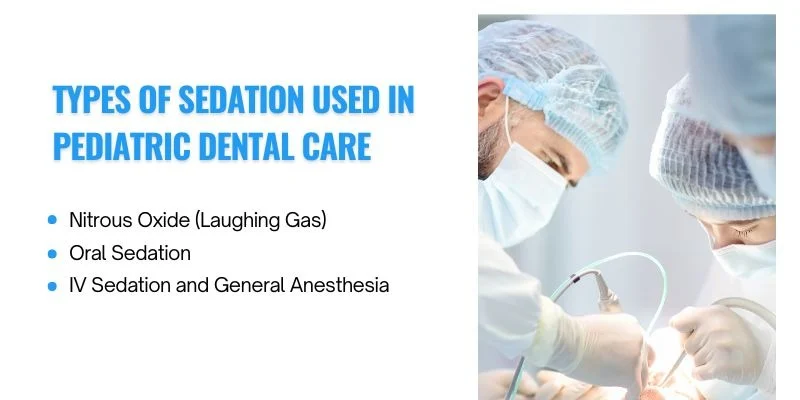
Pediatric dental offices offer several sedation options to help your child feel comfortable during treatment. The most common types of pediatric dental sedation are laughing gas (nitrous oxide), oral sedation, and intravenous (IV) sedation, with each method providing different levels of relaxation and safety profiles.
Nitrous Oxide (Laughing Gas)
Nitrous oxide is the mildest form of sedation available for children. Your child breathes the gas through a small mask placed over their nose during the procedure.
The effects begin within minutes and wear off quickly once the mask is removed. Most children remain awake and responsive while feeling relaxed and giggly.
Benefits of nitrous oxide:
- No needles required
- Quick onset and recovery
- Your child can eat normally before treatment
- Minimal side effects
This option works well for children with mild anxiety or those needing routine procedures. The dentist can adjust the concentration throughout the appointment based on your child’s needs.
Your child will be able to walk out of the office normally after treatment. The gas leaves their system completely within minutes of removal.
Oral Sedation Methods
Oral sedation involves giving your child liquid medication before their dental appointment. Various medications administered orally can act on different receptors within the central nervous system to produce sedative effects.
Common oral sedation medications include:
- Midazolam – Fast-acting with 15-30 minute onset
- Diazepam – Longer duration, 30-45 minute onset
- Antihistamines – Provide mild sedation with additional benefits
Your child will need to take the medication 30-60 minutes before treatment. They may become drowsy but typically remain conscious and able to respond to instructions.
Food restrictions apply before oral sedation appointments. Your child cannot eat solid foods for several hours prior to treatment.
Recovery takes longer than with nitrous oxide. Your child will need supervision for several hours after the appointment and cannot return to school that day.
IV Sedation and General Anesthesia
IV sedation delivers medication directly into your child’s bloodstream through a small needle. This method provides deeper sedation for complex procedures or children with severe anxiety.
General anesthesia renders your child completely unconscious. A specialized anesthesiologist monitors your child throughout the procedure in a hospital or surgical center setting.
When these methods are considered:
- Extensive dental work requiring multiple procedures
- Children with severe developmental delays
- Previous failed attempts with lighter sedation
- Medical conditions requiring specialized monitoring
Pediatric dental sedation can be tailored to meet the needs of each child, including those with special health care requirements. Your child’s medical history and specific needs determine which approach is safest.
Pre-operative instructions are strict for these deeper sedation levels. Your child must fast completely for 6-8 hours before treatment and arrange for post-procedure care.
Unsure which sedation option is right for your child? Schedule a consultation with your trusted Anna, TX dentist to discuss the best sedation dentistry solution for your child’s needs.
Benefits of Sedation Dentistry for Special Needs Patients
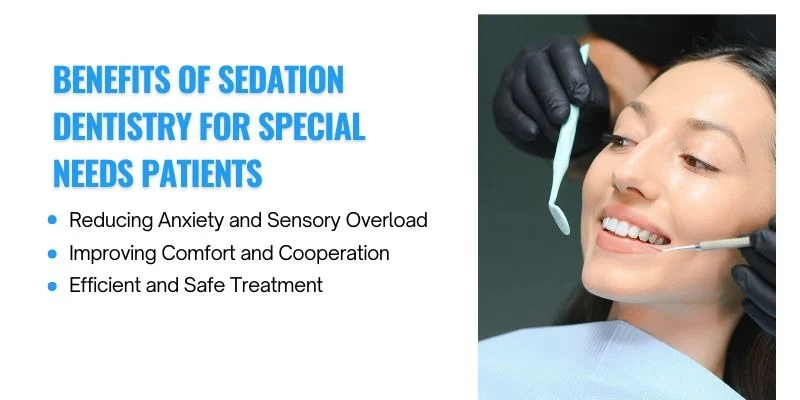
Sedation dentistry transforms dental visits for children with special needs by addressing their unique challenges and creating a more manageable care environment.
The approach reduces overwhelming sensory experiences, promotes better cooperation during procedures, and enables dentists to provide comprehensive treatment safely and efficiently.
Reducing Anxiety and Sensory Overload
Your child’s heightened anxiety and sensory sensitivities can make dental visits extremely challenging. Sedation dentistry provides a compassionate solution that helps calm these overwhelming responses.
Dental offices present multiple sensory triggers that can distress special needs children. Bright lights, unfamiliar sounds, strange tastes, and physical touch can create sensory overload. Sedation helps filter these intense stimuli.
Common anxiety triggers include:
- Loud dental equipment noises
- Bright overhead lighting
- Medical smells and tastes
- Unfamiliar people and environments
- Physical restraint or positioning
Pediatric sedation creates a buffer between your child and these stressful elements. The medication helps reduce their awareness of overwhelming sensations while maintaining their safety.
Many children with autism, ADHD, or developmental delays experience dental anxiety more intensely than typical patients. Sedation makes the procedure more comfortable and reduces the fight-or-flight response that can make treatment impossible.
Improving Comfort and Cooperation
Children with special needs often struggle with cooperation during dental procedures due to communication barriers, physical limitations, or behavioral challenges. Sedation dentistry addresses these cooperation issues effectively.
Your child may have difficulty understanding verbal instructions or maintaining proper positioning. Sedation helps them remain calm and still during treatment. This improved cooperation allows the dentist to work more effectively.
Cooperation improvements include:
- Reduced involuntary movements
- Better mouth opening and positioning
- Decreased resistance to dental instruments
- Improved tolerance for longer procedures
- Less disruptive behavior
Pediatric dental care becomes more predictable when your child can cooperate fully. The dentist can focus on providing quality treatment rather than managing behavioral challenges.
Some children require extensive dental work due to poor oral hygiene or medical conditions. Sedation allows multiple procedures to be completed in fewer visits. This reduces the total stress your family experiences.
Efficient and Safe Treatment
Sedation enables dentists to provide comprehensive care more efficiently while maintaining strict safety protocols. Your child receives better treatment outcomes when the dentist can work without interruption.
Complex procedures become manageable when your child remains calm and cooperative. The dentist can complete thorough examinations, cleanings, fillings, and other treatments without rushing. This leads to higher quality care.
Treatment efficiency benefits:
- Multiple procedures in single visits
- Thorough examination and cleaning
- Precise restorative work
- Reduced need for restraint
- Better treatment outcomes
Modern sedative techniques have improved safety profiles for special needs patients. Dentists carefully monitor vital signs and adjust medication levels as needed throughout the procedure.
Pre-procedure medical evaluations ensure your child is a good candidate for sedation. The dental team considers their medical history, current medications, and specific needs. This individualized approach maximizes safety and effectiveness.
Recovery time varies by sedation type, but most children return to normal activities within hours. The stress-free experience often makes future dental visits easier for your family.
Safety Considerations and Monitoring During Pediatric Sedation
Proper safety protocols require comprehensive health screening before sedation, continuous monitoring of vital signs during procedures, and immediate emergency response capabilities.
These measures protect special needs children who may face higher risks during dental sedation.
Screening and Health Assessments
Your child’s medical history determines their sedation safety profile. The dentist must review all medications, allergies, and underlying conditions before any procedure.
Pre-sedation evaluation includes:
- Complete medical and surgical history
- Current medications and dosages
- Previous sedation experiences
- Airway assessment and breathing patterns
- Heart and lung function review
Special needs children often take multiple medications that can interact with sedatives. You should provide a detailed list of all supplements, prescription drugs, and recent illnesses.
Careful presedation evaluation identifies underlying conditions that increase sedation risks. Your dentist may consult with your child’s physician for complex medical cases.
Fasting requirements vary by sedation type. Most procedures require no food or drink for specific time periods before treatment to prevent complications.
In-Procedure Monitoring
Continuous monitoring ensures your child’s safety throughout the dental procedure. Trained teams closely monitor vital signs including heart rate, blood pressure, and oxygen levels.
Essential monitoring equipment:
- Pulse oximeter for oxygen saturation
- Blood pressure cuff
- Heart rate monitor
- Capnography for breathing patterns
- Temperature monitoring
A dedicated staff member focuses solely on monitoring your child’s condition. This person does not participate in the dental procedure itself.
Your child’s airway remains the top priority during sedation. Staff members are trained to recognize signs of breathing difficulties immediately.
Documentation occurs every few minutes throughout the procedure. This creates a detailed record of your child’s response to sedation medications.
Emergency Preparedness
Emergency equipment and trained personnel must be immediately available during pediatric sedation procedures. Your dental office should have protocols for managing sedation complications.
Required emergency supplies include:
- Oxygen delivery systems
- Airway management tools
- Reversal medications for sedatives
- Resuscitation equipment sized for children
- Direct communication with emergency services
Staff members receive regular training in pediatric emergency procedures. Medical supervision provides the safety net required for safe sedation administration.
Your dentist should explain their emergency response plan before treatment begins. This includes how they handle over-sedation, breathing problems, or allergic reactions.
Recovery monitoring continues until your child meets discharge criteria. You’ll receive detailed post-procedure instructions for home care and when to contact the dental office.
Preparing Your Child for Sedation Dentistry
Proper preparation involves following specific pre-appointment guidelines and understanding what happens during the procedure day. Preparing your child for sedation dentistry helps create a safe and stress-free experience for both you and your child.
Pre-Appointment Instructions
Your dentist will provide detailed instructions that you must follow carefully before your child’s sedation appointment. These guidelines ensure the sedation works effectively and safely.
Fasting requirements are the most critical preparation step. Your child typically cannot eat or drink anything for several hours before the procedure. The exact timeframe depends on the type of sedation used.
For oral sedation, you usually need to stop food 6-8 hours beforehand. Clear liquids may be allowed up to 2-4 hours before the appointment.
Medication guidelines require special attention. Inform your dentist about all medications your child takes regularly. Some medications may need to be temporarily stopped or adjusted.
Never give your child any additional medications without approval from the dental team. This includes over-the-counter pain relievers or anxiety medications.
Comfort preparations can help reduce your child’s anxiety. Bring their favorite blanket, stuffed animal, or comfort item to the appointment. Dress them in loose, comfortable clothing.
Explain the procedure in simple, positive terms. Avoid using scary words like “shot” or “pain.” Instead, say the dentist will help them feel sleepy and comfortable.
What to Expect on the Day of the Procedure
Arrive at your appointment 15-30 minutes early to complete any remaining paperwork and help your child acclimate to the environment. The dental team will review your child’s medical history and confirm you followed all pre-appointment instructions.
The sedation process begins with monitoring equipment placement. Your child will have sensors attached to monitor their heart rate, breathing, and oxygen levels throughout the procedure.
For nitrous oxide, your child will breathe through a small mask. The gas takes effect within minutes and wears off quickly after removal.
Oral sedation typically takes 20-45 minutes to become fully effective. Your child will become drowsy but remain conscious and responsive.
During treatment, trained professionals continuously monitor your child’s vital signs. Most children sleep or rest comfortably throughout the procedure. The dental team maintains constant communication and adjusts sedation levels as needed.
Recovery begins immediately after treatment completion. Your child will gradually become more alert over 30-60 minutes. They may feel groggy, dizzy, or slightly nauseous initially.
Plan to stay at the office during the initial recovery period. What to expect during and after sedation includes specific post-treatment care instructions you’ll receive before leaving.
Aftercare and Recovery Following Sedation
Proper aftercare ensures your child recovers safely and comfortably after sedation dentistry. Close monitoring for several hours after the procedure and following specific home care instructions are essential for preventing complications.
Post-Procedure Care at Home
Your child will need constant supervision for the first few hours after sedation dentistry. Never leave them unattended until they are fully alert and responsive.
Create a quiet, comfortable recovery space where your child can rest. Keep the room dimly lit to prevent overstimulation.
Immediate Care Checklist:
- Monitor breathing and consciousness levels
- Keep your child upright or on their side
- Avoid stairs and elevated surfaces
- Remove any loose objects from their mouth
Your child should not walk without assistance until the sedation effects completely wear off. This typically takes 2-4 hours depending on the type of sedation used.
Offer small sips of water once they are fully awake. Avoid giving food until they can swallow properly without choking risk.
Special needs patients may require extended monitoring periods. Their caregivers should watch for any lingering effects and provide a safe environment for rest and recovery.
Managing Side Effects and Comfort
Common side effects include drowsiness, dizziness, and mild nausea. These typically resolve within a few hours as the medication leaves your child’s system.
Expected Side Effects Timeline:
| Side Effect | Duration | Management |
| Drowsiness | 2-6 hours | Allow rest, avoid stimulation |
| Dizziness | 1-4 hours | Prevent sudden movements |
| Nausea | 1-3 hours | Small sips of clear fluids |
| Coordination issues | 2-4 hours | Assist with walking |
If your child experiences nausea, offer small amounts of clear liquids like water or apple juice. Avoid dairy products and solid foods until the nausea subsides completely.
Some children may feel emotional or confused as the sedation wears off. This is normal and temporary in pediatric dental care situations.
Keep your child comfortable with their favorite blanket or stuffed animal. Gentle reassurance helps them feel secure during recovery.
When to Contact the Dentist
Contact your dentist immediately if your child experiences difficulty breathing, excessive vomiting, or remains unresponsive beyond the expected timeframe.
Emergency Warning Signs:
- Breathing problems or irregular breathing patterns
- Persistent vomiting lasting more than 2 hours
- Extreme drowsiness beyond 6 hours post-procedure
- Allergic reactions like rash, swelling, or hives
- High fever above 101°F
Call within 24 hours for less urgent concerns like mild bleeding from the treatment site or questions about medication interactions.
Your dentist should provide specific post-procedure instructions and emergency contact information. Keep these numbers easily accessible during the recovery period.
Most sedation dentistry recovery experiences are smooth and uneventful. However, having clear guidelines helps you respond appropriately if complications arise.
Choosing the Right Pediatric Dentist for Sedation Dentistry at Anna Dental
Finding the right dentist for sedation dentistry involves evaluating specific credentials in pediatric dentistry and sedation techniques. At Anna Dental, we prioritize making the process comfortable and safe for both parents and children.
Qualifications and Experience to Look For
When selecting a pediatric sedation dentist, it’s important to ensure they have advanced training in both pediatric dentistry and sedation techniques, along with proper board certification.
Our team at Anna Dental is committed to maintaining current certifications in pediatric advanced life support (PALS) and basic life support (BLS) to ensure your child’s safety.
Look for dentists with:
- Board certification in pediatric dentistry
- Specialized training in sedation administration
- Hospital privileges for sedation procedures
- Ongoing education in pediatric sedation
Experience plays a significant role in choosing the right pediatric sedation dentist. Dentists who specialize in treating children with special needs understand how to manage challenges such as sensory sensitivities and behavioral differences.
Our pediatric specialists at Anna Dental have extensive experience working with children who have specific conditions like autism and developmental disabilities.
We also stay current with the latest techniques by being active members of professional organizations such as the American Academy of Pediatric Dentistry.
Questions Parents Should Ask
During your consultation, ask about the dentist’s experience with sedation and special needs patients. Here are some key questions to consider:
- How many special needs patients do you treat regularly?
- What sedation methods do you offer? (Learn more about the sedation options we provide.)
- What monitoring equipment do you use during procedures?
- How do you handle emergencies?
Be sure to inquire about pre-procedure requirements like fasting instructions and medication adjustments. Understanding these details helps ensure a smoother experience for your child.
At Anna Dental, we are mindful of sensory sensitivities and strive to create a calm environment with options like dimmed lighting, noise-reducing headphones, and flexible scheduling for special needs patients.
We encourage you to seek references from other parents who have used our services. Their feedback can give you valuable insights into our approach and communication style. Lastly, ask about post-procedure care to ensure you’re fully prepared for recovery.

