



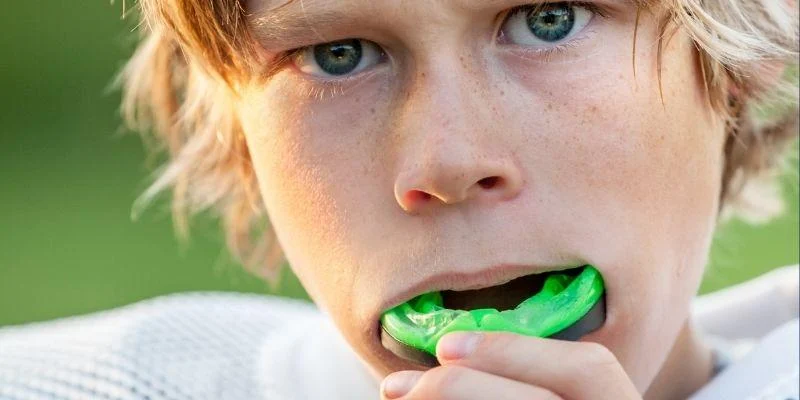
When kids play sports, protecting their heads is very important because concussions can happen from hits or falls. While mouthguards are mainly known for protecting teeth and gums, they can also help reduce the chance of certain head injuries by absorbing some impact and stabilizing the jaw and neck muscles.
This protection may lower the risk of concussion or lessen its severity. Mouthguards offer extra support during sports like football, hockey, and soccer where collisions are common.
They work as a cushion that spreads out the force from hits, helping protect your child’s head and mouth from serious injury. Choosing the right mouthguard fit and type can make a big difference in how well they work.
You might have heard mixed opinions about how well mouthguards prevent concussions. Recent devices with sensors are helping us understand their role better.
Wearing a mouthguard is a smart choice for helping keep your child safer on the field.
Key Takeaways
- Mouthguards help protect both the mouth and reduce certain forces that can cause head injuries.
- Proper fit and type of mouthguard matter for better protection during sports.
- New technologies are improving how we track and prevent sports-related concussions.
Understanding Concussions in Youth Sports
Concussions happen when the brain is jolted inside the skull, usually from a strong hit or sudden movement. They can affect how the brain works and cause different symptoms.
In youth sports, especially contact sports, concussions need careful attention because young athletes are still growing and may be more at risk.
What Is a Concussion?
A concussion is a type of mild traumatic brain injury caused by a blow to the head or a forceful shake of the body. This sudden movement makes your brain move quickly inside your skull, which can stretch or damage brain cells.
It does not always mean you lose consciousness, but it can still disrupt how your brain normally works. Since your brain is still developing, getting a concussion as a young athlete can be more serious and may take longer to heal than in adults.
The injury affects brain functions like memory, balance, and concentration. This is why it’s important to treat concussions with care and avoid returning to play too soon.
Concussion Symptoms in Young Athletes
Symptoms of concussions in kids and teens can vary and sometimes show up right away or hours later. Common signs to watch for include:
- Headache or pressure in the head
- Feeling dizzy or off balance
- Trouble concentrating or remembering things
- Feeling tired or confused
- Sensitivity to light or noise
- Nausea or vomiting
- Mood changes like irritability or sadness
You might not know it’s a concussion if someone acts normal immediately after the hit. That’s why keeping an eye on any changes after a bump or fall is important.
If your child shows any of these symptoms, they should stop playing and get checked by a healthcare professional.
Prevalence in Contact Sports
Contact sports like football, soccer, hockey, and rugby carry a higher risk of concussion for youth athletes. In these sports, collisions, tackles, and falls happen often, which can lead to head impacts.
For example, in football, players can suffer hundreds of head impacts even in one season. Girls and boys in sports like soccer and basketball can also face concussion risks, with girls often reporting more symptoms.
According to the CDC, roughly 7 out of every 10 emergency department visits for sports‑ and recreation‑related traumatic brain injuries (including concussions) occur among children ages 17 and under, with contact sports like football, soccer, and basketball among the top contributors.
Studies show that concussions in youth sports are common enough that many leagues regularly update rules and safety gear to protect players.
How Mouthguards Reduce Concussion Risk

Mouthguards help lower the chance of concussions by reducing the force your head and jaw take during impact. They use several ways to protect your brain, including absorbing shocks, spreading out the force, and preventing harmful jaw movements.
Shock Absorption Mechanisms
Mouthguards act like small cushions inside your mouth. When you take a hit in sports, the mouthguard absorbs some of that impact.
This helps lessen the energy that would otherwise travel to your skull and brain. The material in most mouthguards is made to compress and soften shocks.
This reduces the strength of the blow, giving your brain a bit more protection. While a mouthguard doesn’t stop concussions completely, it can lower the risk by cutting down on the force your head faces.
Custom-fitted mouthguards are often better at absorbing shock because they fit snugly and cover the teeth well. This makes them more effective in protecting you compared to standard, off-the-shelf types.
Force Distribution and Head Protection
When you get hit in the mouth or jaw, the force spreads out. A mouthguard helps this by distributing that force evenly over your teeth and gums.
Instead of one sharp point taking most of the impact, the energy moves across a larger area. This spreading of force means your skull feels less concentrated pressure.
It lowers the chance that a hard hit will cause serious brain injury. It also prevents damage to your teeth and mouth.
In sports medicine, the focus on force distribution is key because it reduces the intensity of blows at critical points, giving your head a better chance at avoiding a concussion.
Impact on Jaw and Brain Safety
Your jaw plays an important role in concussion risk. If your jaw gets hit hard, it can push force to your brain through the skull.
A mouthguard cushions your jaw, preventing it from moving badly during impacts. By controlling jaw movement, mouthguards stop your lower jaw from hitting the base of your skull hard.
This reduces stress on your brain and certain nerves. It’s one of the ways mouthguards provide indirect brain protection.
So, using a properly fitting mouthguard can help protect your brain by limiting how force travels from your jaw during contact sports. This feature is why sports safety experts recommend mouthguards for children to lower concussion risks.
Ensure your child stays safe on the field. Schedule a consultation with a local dental professional in Anna, TX, to get a custom-fitted sports mouthguard.
Scientific Evidence on Mouthguards and Concussion Prevention
Understanding how mouthguards help protect kids from concussions means looking at detailed research and reviews. Scientists have studied many types of injuries, how mouthguards work, and the results from different sports.
Some findings support mouthguards reducing concussion risk, but others show only modest effects. Knowing the limits of current studies helps you decide how much to rely on mouthguards for concussion prevention.
Key Research Findings
Researchers agree that mouthguards reduce injuries to the mouth and teeth in sports. When it comes to concussions, the effect is less clear.
Some studies show that using mouthguards can lower concussion risk by absorbing shock and spreading impact forces inside the mouth and jaw. For example, mouthguards may help limit the force transmitted to the brain during sudden hits.
However, other studies find smaller or no significant changes in concussion rates with mouthguard use. PubMed states that while mouthguards are effective for oral protection, strong evidence that they prevent concussions is still lacking.
Still, they are an important part of safety gear that can protect your child in multiple ways.
Meta-Analyses and Systematic Reviews
Large reviews that combine many studies give a better look at mouthguards’ effects. For example, a systematic review and meta-analysis found that athletes wearing mouthguards had less than half the risk of orofacial injuries compared with athletes who didn’t wear them, underlining how much mouthguards protect teeth and soft tissue.
However, the same review showed only a small, unclear effect on preventing concussions. The risk ratio for concussions was close but not statistically strong enough to confirm reliable protection against brain injuries.
This means that mouthguards primarily protect your child’s face and teeth, while any reduction in concussion risk is likely modest. These conclusions are supported by respected sources, including the Journal of the American Dental Association and sports injury journals.
Overall, although the evidence on concussions is mixed, there is strong and consistent support for mouthguards in preventing dental and orofacial injuries.
Relevant Journals and Publications
Research on mouthguards and concussion prevention appears in widely cited journals. For example, the British Journal of Sports Medicine highlights myths about mouthguards and concussion prevention, emphasizing that evidence for preventing concussions is limited and inconsistent.
Meanwhile, the Journal of the American Dental Association provides detailed analyses of mouthguard effectiveness for injuries to teeth and surrounding tissues, confirming their clear benefit in preventing orofacial injuries, even though concussion prevention results are mixed.
These studies and reviews are accessible through platforms like PubMed or the National Center for Biotechnology Information (NCBI), where researchers and specialists evaluate best practices for protecting young athletes.
Limitations in Current Studies
You should know that many studies on mouthguards and concussions have some limitations. Research designs vary widely, from surveys to controlled trials, and often rely on self-reported data, which can affect accuracy.
Injury definitions differ between studies, making it hard to compare results. Also, some trials include different types of mouthguards, be it custom-fitted versus store-bought, which can impact how well the device protects.
Because concussion measurement is tough and complex, studies may not capture all factors that lead to brain injuries. These limitations mean that while mouthguards are recommended for safety, you can’t depend on them alone to prevent concussions.
For the latest research, it helps to check updated reviews and consider mouthguards as part of a full safety plan for your child.
Comparing Types of Sports Mouthguards
When choosing a mouthguard for your child, it’s important to weigh factors like fit, comfort, and how long the mouthguard will last. These points directly affect how well the mouthguard protects against injuries like concussions during sports.
Understanding the differences can help you pick the best option for your young athlete.
Custom vs. Store-Bought Mouthguards
Custom mouthguards are made by dental professionals using a mold of your child’s teeth. This process ensures a snug, precise fit that covers both teeth and soft tissues, offering better shock absorption.
They tend to reduce jaw movement during impacts, which can lower the risk of concussions. Store-bought mouthguards come pre-made or as boil-and-bite options.
While they are more affordable and easy to find, their fit is usually less exact. This can cause discomfort or slipping during play, which might reduce protection.
Many store-bought guards do not cover as much surface area as custom ones do, reducing their ability to absorb force. Choosing custom mouthguards usually means better protection but at a higher cost, while store-bought options may be tempting for short-term or occasional use.
Fitting Process and Comfort
Custom mouthguards require a dental appointment for impressions or 3D scans, which helps create a mouthguard tailored to the unique shape of your child’s mouth. This fit makes it easier to breathe, speak, and stay comfortable over long periods.
In contrast, store-bought mouthguards are ready-made or need to be softened in hot water before being bitten down on to shape them. This boil-and-bite fitting improves fit compared to stock versions but often results in uneven thickness or poor stability.
This can cause discomfort and can interfere with breathing or speaking during games. A comfortable fit encourages kids to wear their mouthguard consistently, which is essential for ongoing protection.
Durability and Usability
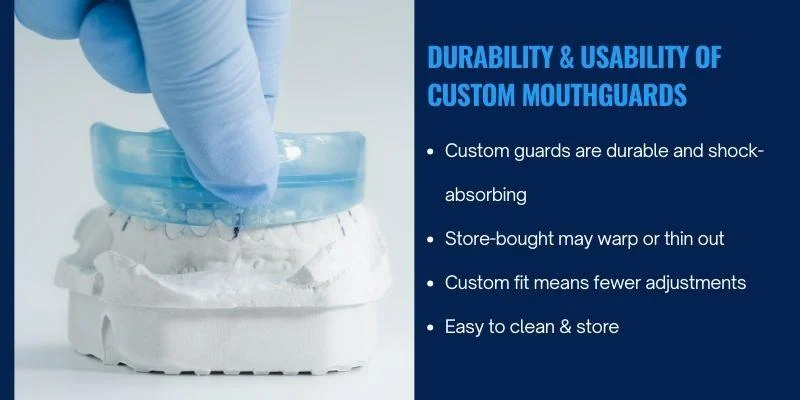
Custom mouthguards tend to last longer because they are made with high-quality materials like ethylene-vinyl acetate (EVA). These materials resist tearing and maintain their shock-absorbing properties over time, giving better value for the investment.
Store-bought mouthguards, especially the boil-and-bite types, may degrade faster with regular use. They can lose shape or thin out, reducing their protective ability.
Because they are less durable, you might need to replace them often, increasing long-term costs. Ease of cleaning and storage is also important.
Custom guards fit well in special cases and don’t require frequent adjustments, while store-bought options can sometimes warp if not cared for properly. Choosing a mouthguard that balances durability and daily usability helps maintain safety throughout the sports season.
Visit our dental office in Anna, TX, to get a custom-fitted sports mouthguard for your child. A proper fit helps protect their teeth, gums, and jaw during sports while improving comfort and safety.
Additional Benefits of Mouthguards for Young Athletes
Mouthguards do more than just protect against concussions. They help prevent teeth damage, reduce injuries to the mouth and jaw, and encourage young athletes to wear protective gear regularly.
Prevention of Dental Injuries
One of the biggest benefits of mouthguards is stopping dental injuries. When your child plays contact sports like football or basketball, their teeth face a high risk of being chipped, broken, or knocked out completely.
A mouthguard acts as a cushion that absorbs the shock from hits to the face. This protection can save your child from painful dental emergencies and expensive dental work.
Mouthguards cover not only the teeth but also the gums, reducing cuts and bruises inside the mouth. Wearing a well-fitted mouthguard means your child’s smile is safer during every game or practice session.
Reducing Oral and Jaw Trauma
Mouthguards also help protect the soft tissues inside the mouth, like the cheeks and tongue. Without protection, a strong blow can cause cuts or bruising that make playing painful and delay return to the sport.
Besides soft tissue, mouthguards reduce the risk of jaw injuries. The padding spreads the force of an impact, lowering the chance of jaw fractures or dislocations.
For young athletes, healthy jaws and mouths mean fewer problems off the field and more confidence while playing.
Encouraging Consistent Use
Comfort is key to mouthguards being worn consistently. Custom-fitted mouthguards, shaped to your child’s teeth, stay in place better and feel more comfortable than store-bought options.
When a mouthguard fits well, your child can breathe and speak easily. This comfort makes it more likely your young athlete will wear the mouthguard during every game or practice.
Coaches and parents can help by making mouthguards a normal part of sports gear. Positive habits developed early can protect your child’s mouth for years to come.
Get a custom sports mouthguard at our Anna, TX dental office to keep your child’s teeth safe.
Other Concussion Prevention Strategies in Sports
Preventing concussions involves more than just mouthguards. A mix of equipment, coaching, and education plays a big role in keeping young athletes safe.
These tools and strategies work together to reduce the chance of injury during play.
Role of Helmets and Other Protective Gear
Helmets are designed to protect your child’s head from direct blows, especially in high-impact sports like football and hockey. They absorb shock, helping to lower the risk of skull fractures and severe brain injuries.
But helmets can’t prevent all concussions because the brain can still move inside the skull during sudden stops or twists. Other gear, like padded gloves or shoulder pads, also reduces impact on the body, which can lessen forces that travel to the head.
It’s important that this equipment fits well and meets safety standards. Make sure to check for certifications and replace old or damaged gear regularly.
While helmets and protective gear are key tools, studies show they don’t fully stop concussions but do form an essential part of your child’s safety equipment.
Coaching and Rule Enforcement
Your child’s coach plays a big role in preventing concussions. Coaches who teach proper techniques for tackling, checking, or falling can help lower head injury risks.
Enforcing rules that discourage dangerous plays, such as helmet-to-helmet hits in football or checking from behind in hockey, makes games safer for everyone. Some leagues have specific concussion rules, like limiting full-contact practice or requiring a medical check before returning to play after a hit.
These policies are backed by sports medicine experts and have proven to reduce concussion rates. Always encourage your child’s coach and league to follow up-to-date safety guidelines to make sure they are protecting players properly.
Education and Awareness Programs
Learning about concussions helps you spot warning signs and act fast. Education programs teach athletes, parents, and coaches about symptoms like headaches, dizziness, or confusion.
These programs also cover how important it is to report injuries and avoid playing while the brain is healing. Schools, sports organizations, and health groups often run workshops or distribute materials on concussion safety.
Some programs include videos, quizzes, and easy-to-understand info sheets, making it simple for everyone to get involved.
Frequently Asked Questions
Sports mouthguards come in different styles and materials, which affect how well they fit and protect. They are mainly designed to prevent dental injuries, but some offer extra features to help reduce concussion risks in contact sports.
What are the best sports mouthguards for reducing the risk of concussions?
The best mouthguards fit snugly and stay in place during play. Custom-fitted mouthguards made by dental professionals provide the best fit and comfort.
These often absorb impact better than store-bought models, helping reduce injury risks.
Can mouthguards provide concussion protection in contact sports like hockey and football?
Mouthguards are proven to protect your teeth and mouth but their direct role in reducing concussions is less clear. They may help by absorbing some shock from hits, but they should not be your only form of protection in sports like football or hockey.
How do mouthguards work to protect against direct head blows in sports?
Mouthguards cushion your teeth and jaw by spreading out force from a blow. This can reduce the impact on your jaw and possibly lower the chance of your skull jolting, which might help with overall head injury prevention.
Their main role is stopping cuts and broken teeth inside the mouth.
Are there different types of mouthguards for various sports, and how do they differ?
Yes. There are stock mouthguards, boil-and-bite, and custom-made mouthguards.
Stock ones are pre-formed and less comfortable. Boil-and-bite mouthguards soften in hot water and mold to your teeth for a better fit.
Custom mouthguards are made from molds of your teeth, offering the best comfort and protection. Different sports might need different thickness or fit; hockey and football often require thicker guards.
What is the primary purpose of wearing a mouthguard in sports?
The main reason you wear a mouthguard is to protect your teeth, gums, and lips from injury. They also protect your jaw from fractures and reduce cuts inside the mouth during collisions or falls.
While they might help with concussion risks, their main benefit is oral injury prevention.
Is there technology available that allows mouthguards to detect potential concussions?
Yes. Some modern mouthguards come with sensors that measure impacts to your head during play.
These devices can alert you and coaches if a hit might have caused a concussion.
This technology is still developing.

