



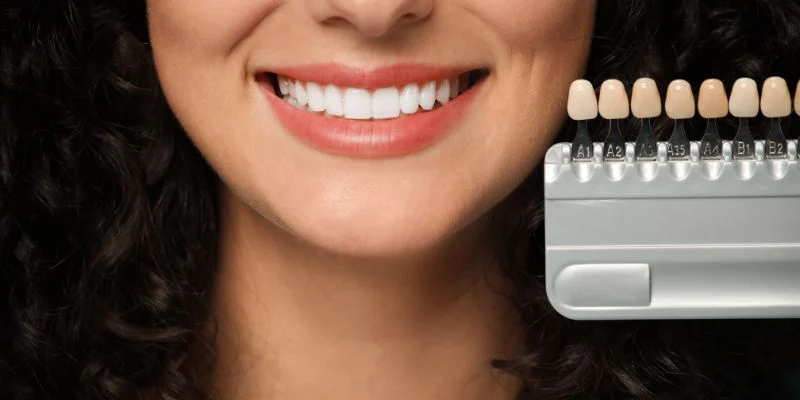
When you want a brighter smile, you might wonder if teeth whitening or veneers are the better choice. Teeth whitening is a quick, less expensive way to brighten your natural teeth, while veneers offer a long-lasting, custom solution that can fix more than just color.
Knowing the differences can help you pick the best option for your smile and budget.
Whitening is great if your teeth are mostly healthy and just need a color boost. Veneers work well for fixing chips, gaps, crooked teeth, and stains.
Each option has its own process, costs, and care needs. Choosing what fits you best is important.
Key Takeaways
- Whitening lightens your natural teeth and is usually more affordable.
- Veneers cover teeth for lasting results and can fix shape and alignment.
- Your choice depends on your dental health, goals, and budget.
Teeth Whitening vs Veneers: Key Differences
When you want to improve your smile, both teeth whitening and veneers can help. Each option works differently and suits different needs.
Knowing how they differ will help you pick the best treatment for your smile goals and budget.
What Is Teeth Whitening?
Teeth whitening is a simple way to brighten your smile by removing surface stains. It works well if your teeth are yellowed or have minor discoloration from food, drinks, or habits like smoking.
The process can be done at a dental office or at home with dentist-approved kits. Whitening is quick, usually taking less than an hour in the office, and is non-invasive.
That means it doesn’t change the structure of your teeth. It’s also one of the more affordable options in cosmetic dentistry.
However, whitening won’t fix chipped or crooked teeth. The results don’t last forever and may fade over time, needing touch-ups.
For example, a randomized, double-blind, placebo-controlled study showed that a 5.3% HP gel on polyethylene film (i.e., strip) produced a mean shade change of –3.70 on the Vita scale compared to –0.87 for the placebo.
This demonstrates significant whitening in a relatively short treatment period. It also may not be the best choice if you have sensitive teeth.
What Are Veneers?
Veneers are thin shells made from porcelain or composite material. These shells are glued to the front of your teeth to cover flaws like chips, cracks, misalignment, or deep stains.
Veneers give you a new tooth surface that looks natural and can reshape your smile. This option is more involved than whitening because a small amount of enamel is removed to fit the veneer properly.
Veneers last much longer, often 10 to 15 years or more, and can provide a complete smile makeover.
Veneers are custom-made so that they can be sized, shaped, and colored to your preferences. They cost more than whitening and are a permanent change since your enamel is altered.
Core Differences Explained
| Feature | Teeth Whitening | Veneers |
| Purpose | Remove surface stains | Cover dental imperfections completely |
| Procedure | Non-invasive, quick | Invasive, requires enamel removal |
| Longevity | Few months to a year, needs upkeep | 10-15 years or longer |
| Cost | Lower cost | Higher cost |
| Fixes | Staining, discoloration | Chips, cracks, alignment, heavy stains |
| Maintenance | Touch-ups needed | Less frequent maintenance after placement |
If you want a fast, low-cost way to brighten your smile and your teeth are mostly healthy, whitening may suit you. But if you want to fix several issues or want a long-term smile change, veneers might be the better choice.
You can learn more about choosing between these options at Anna Dental.
Teeth Whitening: Methods, Benefits, and Limitations
Teeth whitening can brighten your smile by targeting stains on your teeth. Different methods vary in strength, cost, and the length of their results.
It’s important to know what works best for your needs and what side effects to watch for.
Professional Teeth Whitening
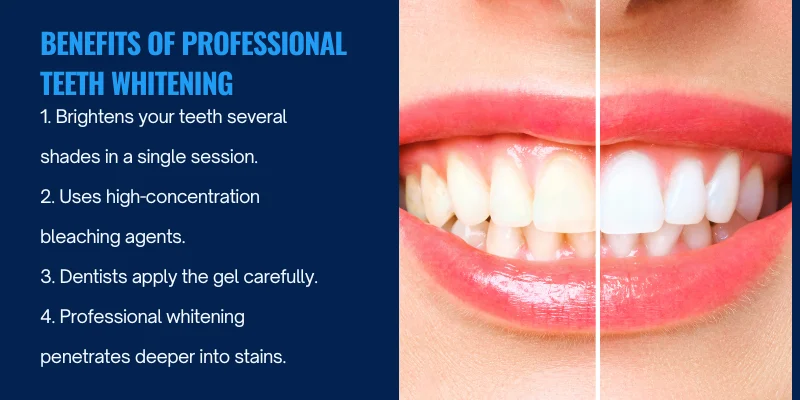
Professional teeth whitening is performed in a dental office using strong bleaching agents such as hydrogen peroxide. The dentist applies the whitening gel directly to your teeth and may use special lights or lasers, such as LaserSmile, to speed up the process.
This method gives you faster, more noticeable results compared to at-home options. Most treatments last about one hour, making it a quick way to get a bright smile.
You can expect your teeth to lighten several shades. Because professionals control the process, the treatment is safer and the bleaching agent is used in the right amount to avoid damage.
At-Home Whitening Options
At-home whitening lets you brighten your teeth on your own schedule. Options include whitening trays that you fill with gel and wear for short periods, whitening strips, or products like EZ White kits.
Custom trays from your dentist fit your teeth perfectly, so the gel stays where it should, reducing irritation. Over-the-counter strips are easier to buy but may not cover your teeth evenly.
These treatments take longer, usually several days to weeks, and results build gradually.
Effectiveness for Surface and Internal Stains
Teeth whitening mainly works on surface stains caused by food, drinks, smoking, or aging. These stains are the easiest to remove with bleaching agents.
However, it is less effective for internal stains, which form inside the tooth due to medication or injury. If your discoloration is deep inside the tooth, whitening might not fix it.
In those cases, options like veneers may work better, since whitening doesn’t change the tooth’s natural structure.
Potential Side Effects and Sensitivity
One common side effect of teeth whitening is tooth sensitivity. The bleaching agents can irritate the nerves inside your teeth, especially if your enamel is thin.
You may feel sharp or dull pain during or after the treatment. Gum irritation can also occur if the whitening gel comes into contact with soft tissue.
These effects are usually temporary and resolve after stopping treatment. Using lower peroxide levels or special products for sensitive teeth can help reduce discomfort.
If you have existing dental problems, such as cavities or gum disease, whitening could make sensitivity worse. It’s a good idea to check with your dentist before starting any whitening treatment.
Veneers: Types, Process, and Advantages
Veneers can change your smile by covering the front of your teeth with thin, custom-made shells. They can hide stains, chips, and other dental flaws.
Choosing the right type of veneer and understanding how they are applied helps you make the best decision for your smile.
Porcelain Veneers vs Composite Veneers
Porcelain veneers are made from a strong ceramic material that looks very natural. They resist stains well and usually last 10 to 15 years with proper care.
These veneers are custom-made in a lab to fit your teeth perfectly, providing a smooth, lifelike finish. Composite veneers are made from a tooth-colored resin and are usually applied directly to your teeth by a dentist.
They cost less and can often be done in one visit. However, they may stain more easily and typically last 5 to 7 years.
In short, porcelain veneers offer longer-lasting, more natural results, while composite veneers are a quicker, more affordable option.
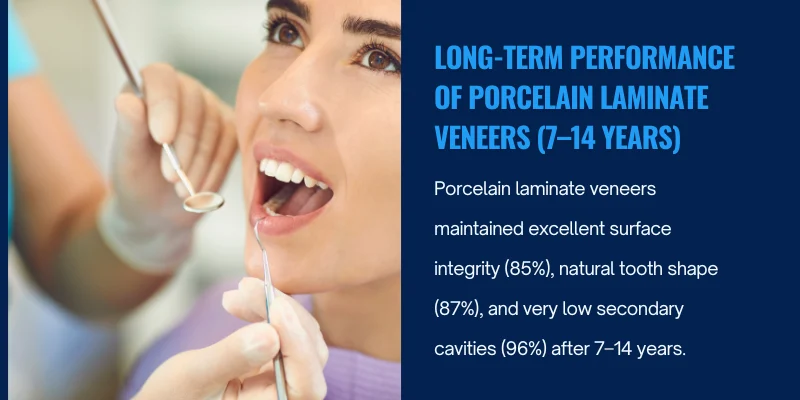
Research shows that porcelain laminate veneers (PLVs) have strong long-term performance and durability. In a clinical study evaluating veneers after 7 to 14 years, researchers found that PLVs maintained high-quality results, with excellent porcelain surface integrity (85%), natural tooth shape retention (87%), and very low rates of secondary cavities (96%).
Most veneers also showed good margin quality and minimal discoloration. Failures were uncommon, with issues like fractures, chipping, or debonding occurring in only a small number of cases.
Thus, the study reported a 98% survival rate, with success rates of 97.6% at 7 years and 88.2% at 14 years, indicating that veneers are a long-lasting and reliable cosmetic treatment option.
How Veneers Are Applied
The process usually takes two to three visits. First, your dentist will remove a small amount of enamel from the front of your teeth to make room for the veneers.
This step is important to ensure the veneers fit well and look natural. Next, your dentist will take impressions of your teeth.
These molds help create custom veneers that match your smile and bite. At a later visit, the custom veneers will be bonded to your teeth with a special adhesive.
Your dentist will make small adjustments to make sure they feel comfortable and look just right.
Correcting Discoloration and Imperfections
Veneers cover many types of dental flaws, especially discoloration that teeth whitening can’t fix. If your teeth have deep stains from medications or fluoride damage, veneers are a solid choice.
They also hide chips, cracks, and uneven shapes. If you have small gaps or slightly crooked teeth, veneers can improve the look of your smile without braces.
Because veneers are made to match your ideal tooth shape and size, they give a smoother, more balanced appearance. This can boost your confidence in social and professional settings.
Impact on Natural Tooth Structure
Applying veneers requires some enamel removal, which is permanent. This means your natural teeth will need veneers or another type of restoration in the future.
Porcelain veneers usually require more enamel to be shaved off than composite ones, but this helps create a better fit and a more natural look.
If you’re concerned about preserving your natural teeth, talk to your dentist about how much enamel will be removed and explore all your options.
Taking good care of veneers and your real teeth is important for long-term oral health.
Comparing Results: Longevity, Aesthetics, and Suitability
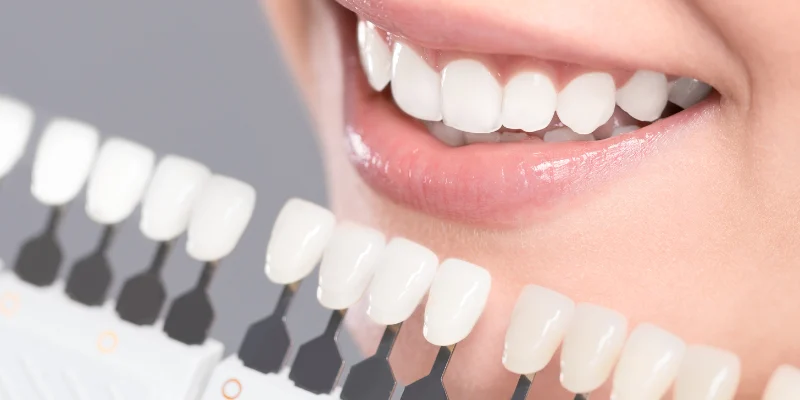
Choosing between teeth whitening and veneers means thinking about how long the results last, how your smile will look, and which option fits your dental needs best.
Both can improve your smile, but they work differently and suit different kinds of tooth problems.
How Long Do Teeth Whitening and Veneers Last
Teeth whitening gives you a brighter smile, but the effect usually lasts from a few months up to a couple of years. How long it stays depends on your habits.
If you drink coffee, tea, or smoke, the stains can come back faster. You may need touch-up treatments to keep your teeth white.
Veneers last much longer, often between 10 and 15 years. They are made from strong materials, such as porcelain, and glued to your teeth.
Since veneers cover surface flaws, they stay bright and hide internal stains or cracks. Just remember, veneers are permanent and won’t come off easily.
Aesthetic Outcomes and Customization
Teeth whitening improves your natural tooth color by removing surface stains. It’s a quick way to get a whiter smile, but it only works if your teeth are already healthy and evenly shaped.
Whitening won’t change the shape or fix misaligned teeth. Veneers let you customize your smile more.
You can change the color, shape, and size of your teeth. Veneers hide deep discoloration and cover gaps or uneven teeth.
They give you a smooth, uniform look that matches your smile goals. This option is ideal if you want a dramatic improvement.
Who Should Consider Each Option
Teeth whitening is best if your teeth are naturally healthy but have surface stains from things like coffee or smoking. It’s a good choice if you want a quick, affordable way to brighten your teeth without changing their shape.
Veneers are better if you have more serious dental issues like internal stains, chips, or misaligned teeth. They are also for you if whitening didn’t make your smile as bright as you wanted.
Veneers require healthy gums and enough enamel, so your dentist will check these before treatment.
For more details on choosing the best option for your smile, see teeth whitening vs veneers options at Anna Dental.
Costs, Maintenance, and Aftercare
Choosing between teeth whitening and veneers means considering costs, the level of care they require, and how to keep your smile looking great.
Both options have different price points, upkeep demands, and daily habits to follow for the best results.
Upfront and Ongoing Costs
Professional teeth whitening usually costs between $300 and $800 per session. It’s a less expensive way to brighten your smile.
However, whitening results only last about 6 to 12 months, so you may need repeat treatments or touch-ups over time.
Veneers, on the other hand, cost much more upfront, typically $900 to $2,500 per tooth. Though pricier, veneers last much longer, often 10 to 15 years with proper care.
Since veneers are permanent, you won’t need frequent replacements, but you may need occasional visits to your cosmetic dentist to check their condition.
Daily Care for Whitening and Veneers
Whitening does not change tooth structure, so you don’t have to change your brushing habits. Still, to keep your teeth bright, avoid stain-causing foods and drinks like coffee, red wine, and tea as much as possible.
You may experience mild sensitivity after whitening, which usually goes away quickly. Veneers need gentle care because they are bonded to your teeth and can chip if handled roughly.
Avoid biting hard foods with your veneers and be cautious with habits like nail-biting or chewing ice. Brushing and flossing are important, but use a soft-bristle brush and non-abrasive toothpaste to protect the surface.
Oral Hygiene Tips to Maintain Results
For whitening, brushing at least twice a day and flossing daily helps prevent new stains. Regular dental cleanings and check-ups keep your smile fresh and healthy.
For veneers, consistent oral hygiene is just as important. Brush and floss carefully to avoid gum problems and maintain the look of your smile makeover.
Visiting your cosmetic dentist regularly helps ensure your veneers stay in good condition. It also lets them catch any potential issues early.
Making Your Decision: Finding the Best Fit
Choosing between teeth whitening and veneers depends on your daily habits. The look you want and how much change you are comfortable with also matter.
Considering these factors helps you choose the best option for your smile goals.
Lifestyle and Cosmetic Considerations
If your teeth are mainly stained by coffee, smoking, or aging, teeth whitening might be a simple and affordable option. Whitening is quick and non-invasive, making it well-suited to busy schedules.
But if your teeth have chips, cracks, or uneven shapes, veneers could offer a more complete smile transformation. Veneers can change the size, shape, and alignment of your teeth.
They require removing a small amount of enamel and cost more than whitening. Your lifestyle matters too; if you eat or drink staining foods often, whitening results might fade faster.
Veneers need less maintenance after they’re placed.
Consulting with a Cosmetic Dentist
Talking to a cosmetic dentist helps you understand which option best suits your teeth and smile goals. A dentist can check your oral health and explain what each treatment involves.
They will discuss the benefits, costs, and how long results last for both whitening and veneers. Your dentist can also customize veneers to match your natural teeth.
If you want a natural yet brighter smile, they can recommend the best teeth-whitening approach. Getting professional advice ensures you make an informed choice that fits your lifestyle and the look you want for your smile.
At Anna Dental, Anna, TX, our consultants can help you decide which treatment is the best fit for you.
Frequently Asked Questions
You might wonder how whitening and veneers differ, what they cost, and how long they last. It’s also helpful to know which option can give you a brighter smile and which factors you should consider before choosing.
What are the main differences between teeth whitening and veneers?
Teeth whitening lightens the color of your natural teeth. It works best for removing stains from coffee, tea, or aging. Veneers are thin shells that cover the front of your teeth. They can change the color, shape, size, and fix gaps or chips.
How do the costs compare between getting teeth whitening and veneers?
Teeth whitening usually costs less up front. It may need to be redone every 6 months to 2 years. Veneers are more expensive at first but can last 10 to 15 years with good care.
What are the long-term effects of teeth whitening compared to veneers?
Whitening results fade over time and can be affected by your diet and habits. Maintenance is needed to keep your teeth bright. Veneers provide a longer-lasting change since they cover your teeth. However, they require removing a small layer of enamel and careful upkeep.
Can veneers provide a whiter smile than professional teeth whitening treatments?
Yes, veneers can give you a whiter, more consistent smile because they are made to match your ideal color. Whitening brightens your teeth but can’t change tooth shape or cover deep stains that don’t respond to bleach.
What should I consider when deciding between teeth whitening and veneers?
Think about your budget and how long you want the results to last. Whitening is more affordable and less permanent. Also, consider your dental health and the look you want. Think about how much maintenance you’re willing to do. You can learn more about these options at Anna Dental.

