


Many children feel nervous or scared about visiting the dentist. This fear can make dental appointments difficult for both kids and parents.
The good news is that pediatric dentists have special training and tools to help children feel safe and comfortable during their visits.
Pediatric dentistry uses child-friendly techniques like gradual exposure, sensory supports, clear communication, and creating a welcoming environment to help children overcome their fear of dental visits.
These approaches focus on building trust over time rather than rushing through appointments. When dentists understand what causes anxiety in kids, they can respond in ways that actually help.
About one-third of young children experience dental anxiety, which can make it hard for them to get the care they need. Understanding how pediatric dentists help kids overcome dental anxiety gives parents practical ways to support their children.
With the right approach, most kids can learn to feel comfortable at the dentist.
Key Takeaways
- Pediatric dentists use specialized techniques to create calm, predictable experiences that reduce fear in children
- Parents can help by staying calm, explaining what to expect, and giving children small choices during visits
- Building trust through gradual exposure and sensory supports helps children develop positive dental habits that last a lifetime
Table of Content
- Recognizing and Understanding Dental Anxiety in Kids
- The Role of Pediatric Dentists and Specialized Offices
- Evidence-Based Strategies for Managing Dental Anxiety
- Gradual Exposure and Desensitization Approaches
- When Advanced Support Is Needed: Sedation and Beyond
- Building Lifelong Positive Dental Habits
- Frequently Asked Questions
Recognizing and Understanding Dental Anxiety in Kids
Children show dental fear through behaviors like crying, physical resistance, or refusing to open their mouths.
These reactions often stem from sensory overload, past experiences, or developmental factors that make the dental office feel overwhelming.
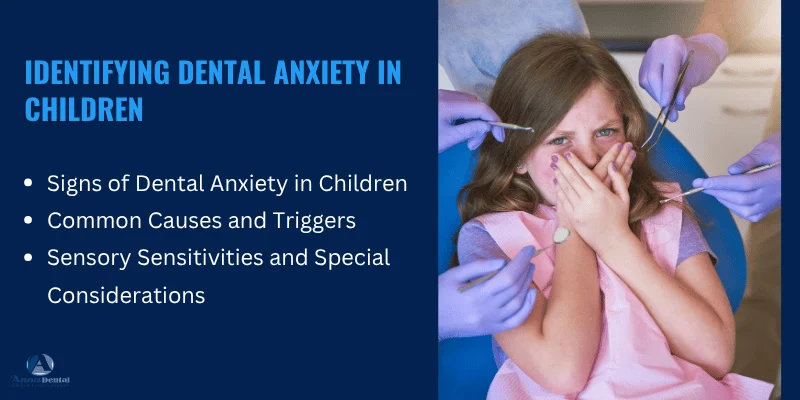
Signs of Dental Anxiety in Children
Your child might display dental anxiety through several clear behaviors. Physical signs include shivering, crying, or screaming when entering the dental office or sitting in the chair.
Some children show their fear through physical resistance. They might clench their jaw shut, refuse to lie back in the dental chair, or try to leave the room. You may also notice your child becoming unusually quiet or withdrawn.
Other warning signs include:
- Complaints before appointments – stomach aches, headaches, or feeling sick
- Sleep problems – trouble falling asleep the night before a dental visit
- Extreme reluctance – begging not to go or having tantrums
- Physical symptoms – sweating, rapid heartbeat, or difficulty breathing
Teeth grinding and dry mouth can signal ongoing dental anxiety between visits.
Common Causes and Triggers
Several factors contribute to dental fear in young patients. Past painful or unpleasant dental experiences often create lasting worry about future visits.
The dental office environment itself can feel scary to children. Bright overhead lights, unfamiliar chemical smells, and the sound of dental tools create an unsettling atmosphere.
The appearance of needles and dental instruments adds to their concern.
Your child’s anxiety might also come from indirect sources. Hearing siblings or friends talk about negative dental experiences shapes their expectations.
Even casual comments from adults about their own dental fears can influence how your child views the dentist.
Irregular dental visits make anxiety worse. Children who only see the dentist when problems arise associate dental care with pain or discomfort.
Sensory Sensitivities and Special Considerations
Children with sensory processing differences experience the dental office intensely. The vibration of dental tools against their teeth, the texture of gloves in their mouth, and the taste of dental materials can feel overwhelming.
Bright examination lights may hurt their eyes. The suction tool’s noise and sensation can trigger strong reactions. Even the feeling of reclining in the dental chair affects some children.
Kids with autism or sensory processing disorders need extra consideration. These children may struggle with:
- Tolerating touch in and around their mouth
- Sitting still for extended periods
- Handling unexpected sensations or sounds
- Transitioning between different parts of the appointment
Your child’s age and developmental stage also matter. Younger children may not understand what’s happening during procedures, which increases their fear. They might worry about separation from you or feel helpless in an unfamiliar situation.
The Role of Pediatric Dentists and Specialized Offices
Pediatric dentists receive extra training to understand how children think and feel about dental visits. Their offices are designed to make kids feel safe and comfortable from the moment they walk through the door.
What Makes a Pediatric Dentist Unique
A pediatric dentist completes dental school just like other dentists, but then goes through two to three additional years of specialized training.
This extra education focuses on child development, behavior management, and how to treat growing teeth and jaws.
Pediatric dentists can act as both primary and specialty care providers for your child’s oral health needs. They know how to work with infants, toddlers, teenagers, and children with special health care needs.
These specialists understand that fear and anxiety in children look different than in adults. Your kids dentist uses techniques specifically designed for young patients, including positive language and gentle communication.
They can handle everything from routine cleanings to complex dental procedures while keeping your child calm.
The training also covers how primary teeth develop and when permanent teeth should appear. This knowledge helps them spot problems early before they become bigger issues.
Designing a Child-Friendly Dental Office
A pediatric dental office looks and feels completely different from an adult dental practice. Bright colors, toys, and games fill the waiting room to help children feel excited rather than nervous about their visit.
Many offices include:
- Play areas with books and activities
- TV screens on the ceiling above dental chairs
- Themed treatment rooms with fun decorations
- Small-sized equipment made just for children
- Friendly staff trained in working with kids
The design helps children feel safe, supported, and even excited to visit. Some offices let kids pick out prizes after their appointment or offer headphones to listen to music during treatment.
The layout often allows parents to stay close during procedures, which helps younger children feel more secure.
Choosing the Right Children’s Dentist
Look for a children dentistry practice where your child feels comfortable and welcome. Visit the office before scheduling an appointment to see if the environment suits your family’s needs.
Ask about the dentist’s experience with anxious children and what methods they use to help kids relax. A good children’s dentist will have strategies for overcoming fear and making dental work less stressful.
Check if the office offers:
- Flexible appointment times
- Emergency care options
- Clear communication about procedures
- Age-appropriate explanations for children
Read reviews from other parents about their experiences. Notice how the staff interacts with children in the waiting room. Your child should feel respected and heard, not rushed or dismissed.
The right kids dentistry practice will partner with you to build healthy dental habits that last a lifetime.

Evidence-Based Strategies for Managing Dental Anxiety
Pediatric dentists use proven methods to help your child feel comfortable and safe during dental visits.
These approaches focus on building trust, explaining procedures in child-friendly ways, and making the dental environment less intimidating.
Behavior Management Techniques
Behavior management techniques in pediatric dentistry work to reduce your child’s fear and improve their ability to cooperate during treatment. These methods help children develop coping skills they can use during future visits.
Your dentist might use voice control to adjust their tone and volume to get your child’s attention gently. They may also use nonverbal communication like smiles and friendly gestures to create comfort.
Parental presence can help younger children feel more secure. However, your dentist might ask you to stay in the waiting room if your own anxiety transfers to your child.
The American Academy of Pediatric Dentistry has identified ten behavioral management methods that help build a positive dentist-child relationship. These techniques work together to address different aspects of your child’s anxiety.
Tell-Show-Do Approach
The tell-show-do method breaks down dental procedures into simple steps your child can understand. First, the dentist explains what will happen using words appropriate for your child’s age.
They avoid scary terms like “drill” and instead say “Mr. Whistle” or “tooth cleaner.”
Next, the dentist shows your child the instruments they will use. Your child might see the tool, hear its sound, or even touch it safely. This makes unfamiliar equipment less frightening.
Finally, the dentist does the procedure exactly as they explained and demonstrated. This approach builds trust because your child knows what to expect. It also gives your child a sense of control over the situation.
Positive Reinforcement and Rewards
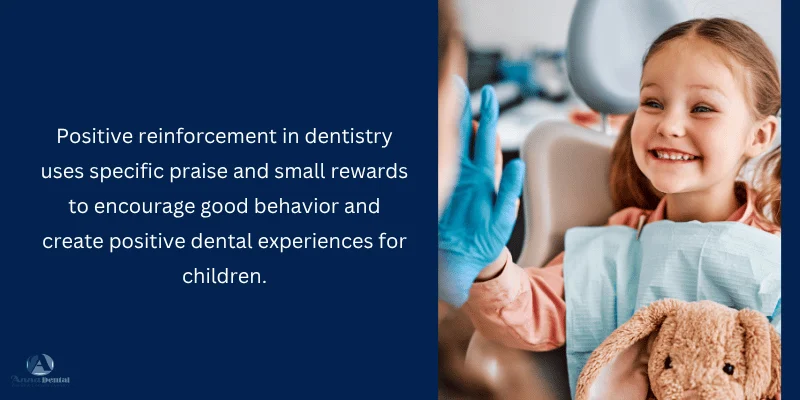
Positive reinforcement focuses on praising your child for good behavior during their dental visit. Your dentist might compliment your child for sitting still, opening their mouth wide, or being brave.
These compliments work best when they are specific. Instead of just saying “good job,” the dentist might say “You did a great job keeping your mouth open while I counted your teeth.”
Many dental offices offer small rewards after appointments. Your child might choose a sticker, toy, or certificate for their good behavior. These tangible rewards create positive associations with dental visits.
Types of reinforcement that work well:
- Verbal praise during the appointment
- High-fives or friendly gestures
- Small prizes from a treasure box
- Stickers or badges
- Progress charts that track successful visits
Distraction and Relaxation Techniques
Distraction techniques help manage anxiety and fear by redirecting your child’s attention away from the dental procedure. Your dentist might play your child’s favorite music or show a movie on a ceiling-mounted screen.
Some offices use virtual reality headsets that let children explore different worlds during treatment. Others provide handheld video games or tablets.
Relaxation techniques teach your child to calm their body and mind. Deep breathing exercises help slow heart rate and reduce tension. Your dentist might ask your child to take slow breaths while counting to five.
Guided imagery encourages your child to imagine being in a peaceful place like a beach or park. This mental escape reduces awareness of dental sounds and sensations.
These skills become tools your child can use to overcome dental anxiety in the future.
Gradual Exposure and Desensitization Approaches
Desensitization centers on gradual exposure to triggering stimuli, allowing your child to learn at their own pace.
Pediatric dentists break down dental visits into small, manageable steps that help your child build comfort and confidence over time.
Introducing the Dental Environment Step by Step
Your child’s dentist will start with simple, non-threatening experiences before moving to actual dental work. The first visit might just involve walking through the office and meeting the staff.
Your child gets to explore the waiting room and see other kids having positive experiences.
During early visits, the dentist shows your child the dental chair and lets them sit in it without any treatment. They demonstrate tools like the small mirror and show how the chair moves up and down.
Your child can touch safe instruments and see how they work.
The dentist might let your child watch them count another patient’s teeth or demonstrate on a stuffed animal.
Dentists visit educational centers where children spend time to help them become familiar with techniques and protocols beforehand. These early steps create a foundation of trust and familiarity.
Desensitization Visits and Familiarization
Desensitization visits focus entirely on building your child’s comfort without performing any dental procedures. Your child learns about sights, sounds, and sensations at their own speed. The dentist introduces dental materials gradually, including:
- Topical anesthesia for taste and smell
- Polishing paste and fluoride
- Water from the dental syringe
- Suction tools and air
These visits happen in multiple settings when needed, including your home or your child’s school. Your child practices opening their mouth and having their teeth counted. The dentist uses positive reinforcement after each small success.
Some children need several desensitization visits before they’re ready for treatment. This approach helps reduce dental anxiety by removing pressure and allowing natural adjustment to the dental environment.
Managing Severe Anxiety and Physical Resistance
Children with severe anxiety or physical resistance need specialized behavioral approaches combined with desensitization.
Your dentist might use tell-show-do techniques where they explain what will happen, demonstrate it, and then perform it with your child’s permission.
Behavioral techniques like cognitive behavioral therapy help children overcome their fear of dental care when standard methods aren’t enough. Your child learns coping strategies to manage their anxiety during appointments.
For extreme cases, your dentist might recommend sedation options while continuing desensitization work between visits. The goal is always to help your child eventually tolerate dental care without sedation.
Your dentist creates a customized plan based on your child’s specific triggers and needs.
When Advanced Support Is Needed: Sedation and Beyond
Some children need more than basic comfort techniques to receive dental care safely. Sedation dentistry and general anesthesia provide options when anxiety becomes overwhelming or when extensive treatment requires your child to remain completely still.
When to Consider Sedation or General Anesthesia
Your pediatric dentist may recommend sedation if your child has special health care needs or cannot complete treatment using standard anxiety management approaches.
Children with severe dental anxiety, developmental disabilities, or those requiring extensive procedures often benefit from these options.
Deep sedation or general anesthesia allows your child to receive comprehensive dental care in a single visit rather than multiple stressful appointments.
This approach is particularly helpful for young children who lack the coping skills needed for complex procedures.
The American Academy of Pediatrics and American Academy of Pediatric Dentistry updated guidelines in 2019 to ensure safety during these procedures.
Your pediatric dentist will evaluate your child’s medical history, anxiety level, and treatment needs before recommending sedation.
Supporting Children With Profound Dental Fear
Children with extreme dental phobia need specialized care that goes beyond traditional calming techniques.
Managing dental anxiety for these patients requires a multi-provider team approach with trained professionals who understand pediatric sedation safety.
Your pediatric dentist may work with anesthesia providers who specialize in children’s care. This team ensures your child receives treatment safely while remaining comfortable throughout the appointment.
Modern sedation options transform what would be traumatic experiences into manageable visits. Your child can receive necessary dental work without fear or distress, helping prevent future anxiety about dental care.
Building Lifelong Positive Dental Habits
When children learn to feel comfortable at the dentist early on, they develop healthy habits that stick with them for years.
Managing anxiety during childhood visits sets the stage for regular dental care and good oral hygiene practices throughout life.
The Long-Term Benefits of Early Anxiety Management
Children who overcome dental fears early are far more likely to maintain consistent dental visits as adults. When pediatric dentists focus on creating a positive dental experience during formative years, kids build trust that carries into adulthood.
Early dental care helps children develop confidence about their oral health. Kids who feel safe and comfortable during appointments don’t avoid the dentist later in life. This means fewer untreated cavities, healthier gums, and better overall dental outcomes.
Early anxiety management through behavior management techniques also teaches children important coping skills. They learn that dental visits are routine parts of staying healthy, not scary events to dread.
These positive associations mean your child will be more likely to seek preventive care rather than waiting until problems become serious.
Encouraging Consistent Oral Care at Home
The habits children form at the dentist’s office extend to their daily routines at home. When pediatric dentists make brushing and flossing feel approachable rather than scary, kids become more willing to practice these skills independently.
Pediatric dentists teach proper brushing techniques in fun and engaging ways that children can replicate at home. Your child learns the right amount of toothpaste to use, how long to brush, and why flossing matters.
These lessons promote independence and responsibility.
Key daily habits to reinforce:
- Brushing twice daily for two minutes
- Flossing once per day
- Limiting sugary snacks and drinks
- Rinsing after meals when brushing isn’t possible
When managing dental anxiety is successful, children feel motivated to take care of their teeth between visits. They understand that good home care means easier, quicker dental appointments.
Fostering a Positive Dental Attitude

Your attitude about dental care shapes how your child views it too. When you speak positively about dental visits and celebrate your child’s cooperation, you reinforce good experiences.
Building lifelong habits in pediatric dentistry happens when children feel empowered rather than afraid. Pediatric dentists use praise and rewards to make kids feel proud of their dental health efforts.
This positive reinforcement creates lasting motivation.
Children who grow up with positive dental attitudes are more likely to pass these values to their own kids someday. They see oral health as important and worth maintaining.
They understand that preventive dental care builds lifelong healthy habits rather than just fixing problems.
Encourage your child to ask questions during appointments and participate in decisions about their care when appropriate. This involvement helps them feel in control and reduces anxiety about future visits.
Frequently Asked Questions
Parents often want practical steps they can take at home and clear information about what dentists do during appointments.
Understanding specific techniques and how they work for different situations helps families feel more prepared.
What are some simple ways I can help my child feel calmer before a dental visit?
Talk about the dentist visit in a positive way without giving too many details that might create worry. You can read children’s books about going to the dentist or play pretend dentist at home where you count teeth and use a toothbrush.
Let your child bring a favorite toy or stuffed animal to the appointment for comfort. Arrive early so your child has time to get used to the office without feeling rushed.
Avoid using words like “pain,” “hurt,” or “shot” when talking about the dentist. Instead, let the dental team use their own child-friendly language to explain what will happen.
How do pediatric dentists help nervous kids feel safe during treatment?
Pediatric dentists create child-friendly environments with kid-sized chairs and welcoming spaces. They use gentle communication and speak directly to your child at their level of understanding.
Many dentists let very young children sit on a parent’s lap during the exam instead of in the dental chair. This physical closeness helps your child feel secure during their first visits.
The dentist builds trust by moving slowly and explaining each step in simple terms. They watch for signs of distress and adjust their approach based on how your child responds.
Which behavior management techniques are commonly used for children who fear the dentist?
The “tell-show-do” technique is one of the most common approaches where the dentist explains a procedure, shows the tools, then does the treatment. This method helps your child know exactly what to expect.
Positive reinforcement works by praising specific good behaviors, like “You’re doing great at keeping your mouth open.” Distraction techniques include music, videos, or asking your child to wiggle their toes during treatment.
Modeling lets an anxious child watch an older sibling or parent get dental work done first. Seeing someone they trust go through the process calmly can reduce their own fear.
What can I do if my 8-year-old is scared of the dentist and refuses to go?
Start by listening to your child’s specific fears without dismissing them. Ask what exactly worries them about the dentist so you can address those concerns directly.
Schedule a “get to know you” visit where your child can meet the dentist and see the office without any treatment planned. This takes pressure off and lets your child explore at their own pace.
Talk to the dentist before the appointment about your child’s anxiety. They can plan extra time, use more explanation, and adjust their approach based on what frightens your child most.
Consider asking about nitrous oxide if your child’s anxiety is severe. This mild sedative helps children relax while staying awake and responsive during treatment.
How are dental anxiety strategies adapted for children with disabilities or special healthcare needs?
Dentists assess each child’s developmental stage and abilities rather than just their age. They adjust their communication style and expectations based on how your child processes information.
Children with sensory sensitivities might need accommodations like dimmer lights, quieter tools, or headphones. The dentist can also schedule appointments during quieter times when the office is less busy.
Some practices offer longer appointments so your child doesn’t feel rushed. They might break treatments into smaller visits to avoid overwhelming your child.
Weighted blankets, fidget toys, or visual schedules can help children who need extra support. The dental team works with you to find what helps your child feel most comfortable.
What does the “7–4 rule” mean in pediatric dentistry, and how does it relate to child cooperation?
The 7–4 rule is a guideline suggesting that children around age 7 can typically cooperate for about 4 minutes of continuous dental work. This helps dentists plan treatment lengths that match a child’s attention span and ability to stay still.
Younger children usually need shorter appointments with more breaks. As children get older, they can handle longer procedures without becoming too restless or anxious.
Dentists use this rule to avoid pushing children beyond what they can reasonably handle. Breaking work into age-appropriate segments leads to better experiences and less anxiety over time.

