




Many parents wonder when they should schedule their baby’s first trip to the dentist.
An infant’s first dental visit must be scheduled within six months of getting their first tooth or by their first birthday, whichever comes first.
Missing this early appointment can set the stage for problems that might have been prevented with simple early care.
You might think your baby’s teeth are too new to need attention from a pediatric dentist. But early dental care is important to your baby’s oral health and overall development.
The 12-month window gives dentists a chance to spot issues before they become serious and helps your child get comfortable with dental visits from the start.
Skipping that first exam means missing out on guidance about infant oral care and preventive steps that protect your baby’s smile.
When you understand what happens during this visit and why experts recommend it so early, you can make the best choice for your child’s health.
Key Takeaways
- Infants should see a dentist by their first birthday or within six months of their first tooth appearing
- Missing early dental visits can lead to preventable tooth decay and missed opportunities for proper oral care education
- The first exam establishes a dental home and includes important guidance on feeding practices, cleaning, and fluoride use
The Importance of the 12-Month Oral Exam
The first year of your baby’s life sets the foundation for their dental health journey. Scheduling an oral exam by 12 months helps prevent early childhood caries and establishes a dental home where your child can receive consistent care.
How Baby Teeth Influence Lifelong Oral Health
Baby teeth do much more than help your child chew food. They hold space in the jaw for permanent teeth to come in properly.
If baby teeth fall out too early due to decay, the remaining teeth can shift and block the path for adult teeth.
These primary teeth also help your child speak clearly and develop proper pronunciation. When cavities damage baby teeth, it can affect how your child forms words and sounds.
Key functions of baby teeth:
- Guide permanent teeth into correct positions
- Support jaw development and facial structure
- Enable proper nutrition through effective chewing
- Prevent speech development issues
Early childhood caries can spread quickly in baby teeth because their enamel is thinner than adult enamel.
Critical Developmental Milestones at 12 Months
Most babies have several teeth by their first birthday, making this the perfect time for a dental professional to examine tooth eruption patterns. Your dentist can spot alignment issues or developmental concerns early.
At this age, your dentist will check for signs of bottle decay and assess your baby’s bite. They’ll look at how the upper and lower teeth fit together when your child’s mouth closes.
The first dental visit helps establish a dental home for your child by 12 months of age. This means your family has a dental practice that knows your child’s complete oral health history.
Your dentist will also evaluate your baby’s oral tissues, gums, and jaw development. They can identify tongue-tie or other conditions that might affect feeding or future speech development.
Risks and Consequences of Missing the Early Dental Visit
Skipping your infant’s early dental visit can lead to untreated cavities, missed developmental problems, and long-term effects on your child’s ability to eat and speak properly.
The consequences extend beyond just teeth and can affect your child’s overall health and emotional well-being.

Increased Vulnerability to Early Childhood Caries
Early childhood caries is one of the most common chronic diseases in young children. When you delay your infant’s first oral exam, cavity-causing bacteria can multiply unchecked in your baby’s mouth.
Baby bottle tooth decay develops when sugary liquids from bottles or sippy cups pool around your baby’s teeth. This type of decay can happen quickly and affect multiple teeth at once.
Without an early visit, you might miss critical guidance on proper feeding practices.
Cavities in baby teeth aren’t just cosmetic issues. They cause pain and infection that can spread to adult teeth developing beneath the gums.
The bacteria that cause tooth decay can be transmitted from you to your infant through shared spoons or cleaning pacifiers in your mouth.
Common risk factors include:
- Putting your baby to bed with a bottle
- Frequent snacking on sugary foods
- Not cleaning your baby’s gums and teeth daily
- Lack of fluoride exposure
Delayed Detection of Dental and Developmental Issues
Your infant’s first oral exam does much more than check for cavities. Dentists look for developmental problems that affect how your child’s mouth, jaw, and teeth grow.
Delaying the first dental visit means missing early signs of issues like tongue-tie, which can affect feeding and speech development.
During teething, dentists can identify whether teeth are coming in properly or if there are spacing concerns.
Issues with your baby’s bite or jaw alignment are easier to address when caught early. A dentist can spot problems with nonnutritive sucking habits, like thumb-sucking or prolonged pacifier use, that might affect tooth alignment.
They can also check for oral lesions, developmental cysts, or other conditions that parents might not recognize as abnormal.
Early detection means simpler treatments and better outcomes for your child’s long-term oral health.
The Impact on Speech, Nutrition, and Growth
Untreated dental problems in infants create a ripple effect throughout their development. Painful cavities make it hard for your child to eat properly, which can lead to nutritional deficiencies.
Sleep disturbance, weight loss, and decreased appetite are common consequences of delayed pediatric dental care.
When eating hurts, young children become selective about food and may avoid important nutrients needed for growth.
Dental infections can cause behavioral changes you might not connect to oral health. Your child might become irritable, have trouble sleeping, or refuse foods they once enjoyed.
Speech development can also suffer when teeth are missing or misaligned, making it harder for your child to form certain sounds correctly.
These developmental setbacks during critical early years can have lasting effects on your child’s overall health and learning abilities.
Emotional Toll and Dental Anxiety in Young Children
Starting dental visits early helps your child view the dentist as a normal part of life. When you wait until a problem develops, your child’s first experience involves pain and complex procedures rather than a simple, positive checkup.
Children who need extensive dental work at their first visit often develop lasting anxiety about dental care. This fear can persist into adulthood and lead to avoidance of necessary dental treatment.
Early visits when nothing is wrong allow your child to become comfortable with the dentist’s office, tools, and procedures. They learn that dental visits are quick and painless.
This positive foundation about professional teeth cleaning makes future appointments easier for everyone involved.
The emotional cost of dental anxiety affects not just oral health but your child’s willingness to seek medical care in general.
What Happens During Your Infant’s First Oral Exam
The first dental visit involves a gentle examination of your baby’s mouth, an evaluation of cavity risk factors, and guidance on how to care for your child’s teeth at home. Your pediatric dentist will also set up a plan for ongoing care.
Caries Risk Assessment and Oral Exam Procedures
The initial exam should be completed by 12 months of age and includes both medical and dental histories for you and your baby. Your dentist will perform a thorough check of the soft and hard tissues inside and outside your infant’s mouth.
Most dentists use a lap-to-lap technique during your infant’s first oral exam. You’ll sit facing the dentist with your knees touching. Your baby will face you first, then you’ll gently lay them back into the dentist’s lap.
Your baby will probably cry during this exam, but this is normal and actually helps the dentist see inside their mouth better.
The dentist looks for healthy pink tissue and checks for any teeth that have come in. They’ll assess your child’s risk of developing cavities based on factors like diet, fluoride exposure, and oral hygiene practices.
This caries risk assessment helps determine how often your child needs to return for checkups.
Education for Parents on Home Care and Feeding Habits
Your dentist will show you proper techniques for cleaning your baby’s teeth and gums. You’ll receive hands-on demonstrations during the visit so you know exactly what to do at home.
The education portion covers several important topics:
- Diet effects on teeth and how to prevent baby bottle tooth decay
- Fluoride status and whether your child needs supplements
- Teething information and what to expect
- Injury prevention tips as your baby becomes mobile
- Non-nutritive sucking habits like pacifier and thumb sucking
Your dentist will discuss infant feeding practices and how they affect oral health. This includes guidance on bottle use, breastfeeding, and introducing cups. You’ll learn which foods and drinks put your baby at higher risk for cavities.
Establishing the Dental Home for Future Visits
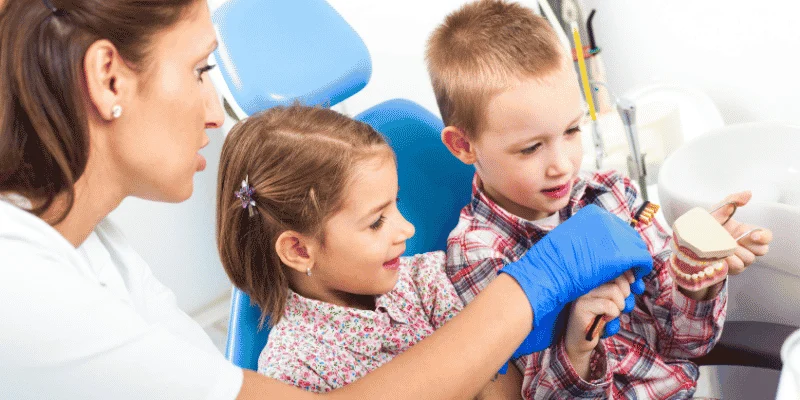
The first dental visit establishes a dental home where your child will receive ongoing care. Your dentist will create a prevention plan tailored to your baby’s specific needs and risk factors.
Based on the exam findings, your dentist determines how often your child should return. Most children need twice-yearly dental exams and cleanings to maintain healthy teeth.
Children at higher risk for cavities may need more frequent visits.
Your dentist will develop a comprehensive care plan that follows accepted guidelines for pediatric oral health. If your baby needs specialized care or treatment, you’ll receive referrals to the appropriate health professionals.
This ongoing relationship means your dentist can track your child’s development and catch potential problems early.
The Role of Preventive Dental Services and Fluoride
Fluoride treatments and regular preventive care form the foundation of early dental health.
Preventive dental services allow your dentist to monitor your child’s oral health, promote good habits, and catch problems early before they become serious.
Applying Fluoride Varnish and Considering Supplements
Fluoride varnish application is recommended for children younger than 5 years old to prevent cavities. Your pediatric dentist or primary care doctor can paint this treatment directly onto your baby’s teeth during routine visits.
The varnish strengthens tooth enamel and makes teeth more resistant to decay.
Fluoride supplements may also be prescribed if your local water supply doesn’t contain adequate fluoride levels. Your dentist will evaluate whether supplements are necessary based on your specific situation.
Fluoride helps both children and adults prevent cavities, which means fewer fillings and less pain down the road.
The American Academy of Pediatric Dentistry emphasizes that establishing a dental home by age one gives your child access to these preventive services at the most critical time for tooth development.
Schedule and Frequency: Dental Periodicity Explained
Dental periodicity refers to how often your child should visit the dentist. Most pediatric dentistry practices recommend visits every six months after the initial 12-month exam.
During each visit, your dentist will:
- Examine teeth and gums for signs of decay
- Apply fluoride varnish treatments
- Clean your child’s teeth
- Provide guidance on brushing and diet
Some children with higher cavity risk may need more frequent appointments every three to four months. Your dentist will create a personalized schedule based on your child’s individual needs and oral health status.
Supporting Healthy Habits from Infancy Onward
Building strong oral care practices early helps prevent baby bottle tooth decay and sets your child up for a lifetime of healthy teeth.
Simple daily routines, understanding teething challenges, and making smart feeding choices all play important roles in infant oral care.
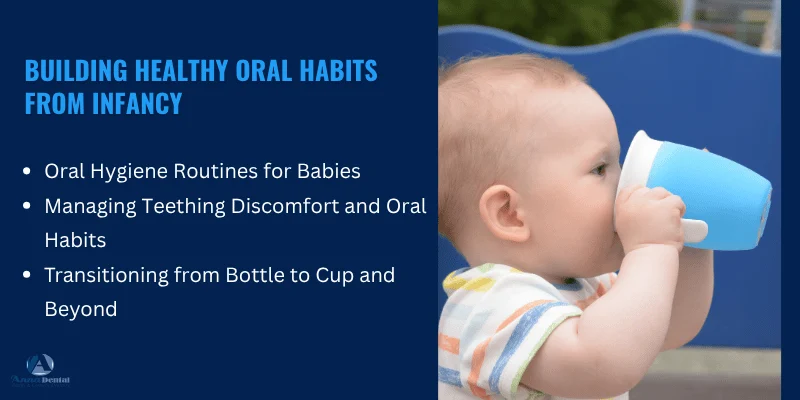
Oral Hygiene Routines for Babies
You should start cleaning your baby’s mouth before teeth even appear. Wipe your infant’s gums with a clean, damp cloth after each feeding to remove bacteria and sugars.
Once the first tooth comes in, switch to a soft-bristled infant toothbrush. Use a tiny smear of fluoride toothpaste about the size of a grain of rice. Brush twice daily, especially before bedtime.
Make brushing a regular part of your routine at the same times each day. This helps your baby expect and accept it as normal.
You’ll need to brush for your child until they develop the coordination to do it themselves, usually around age 6 or 7.
Keep the toothbrush clean between uses. Rinse it thoroughly and store it upright to air dry. Replace it every three to four months or sooner if the bristles look worn.
Managing Teething Discomfort and Oral Habits
Teething typically starts around 6 months but varies from baby to baby. Your infant might drool more, seem fussy, or want to chew on everything during this time.
Offer a clean, chilled teething ring or cold washcloth for your baby to gnaw on. The pressure and coolness can ease sore gums. Gently rub your baby’s gums with a clean finger if they seem uncomfortable.
Nonnutritive sucking habits like thumb sucking or pacifier use are normal for infants. Most children stop these habits on their own between ages 2 and 4.
If your child continues past age 3, talk with your pediatric dental care provider about potential effects on tooth alignment.
Avoid dipping pacifiers in sugar or honey. Never put your baby to bed with a bottle of milk, formula, or juice, as this leads to baby bottle tooth decay.
Transitioning from Bottle to Cup and Beyond
Start introducing a sippy cup around 6 months of age. This helps your baby develop the skills needed to give up the bottle by their first birthday.
Prolonged bottle use, especially at bedtime, increases the risk of tooth decay. Liquid pools around the teeth during sleep when saliva flow decreases. This creates a perfect environment for cavities to form.
By 12 to 15 months, work toward eliminating bottles completely. Offer water in a cup between meals if your child is thirsty. Save milk for mealtimes rather than allowing constant sipping throughout the day.
If your child resists giving up nighttime bottles, gradually dilute the contents with water over several weeks. Eventually fill it with only water, which won’t harm teeth.
You can also schedule an infant dental visit to get personalized guidance on breaking bottle habits.
Frequently Asked Questions
Parents often have questions about timing, necessity, and practical details when it comes to their baby’s dental care. The answers below address common concerns about infant oral exams and early dental visits.
When should my baby have their first dental visit?
Your baby’s first dental visit should happen after their first tooth appears but no later than their first birthday. This timing allows the dentist to check for early signs of problems and give you guidance on proper care.
If your baby gets their first tooth at six months, you can schedule the visit anytime between then and 12 months. The key is not waiting past the one-year mark.
Is it really necessary to take a 1-year-old to the dentist if they only have a few teeth?
Yes, it is necessary even with just a few teeth. The infant oral exam focuses on prevention and catching issues before they become serious problems.
Cavities can form as soon as teeth appear. Early visits also let you learn proper cleaning techniques and feeding practices that protect your baby’s teeth.
The dentist checks for more than cavities during this visit. They look at jaw development, bite alignment, and oral tissues to catch developmental issues early.
What could go unnoticed if my baby doesn’t see a dentist by 12 months?
Early tooth decay can develop quickly and go unnoticed by parents who don’t know what to look for. White spots on teeth that signal the start of cavities are easy to miss without professional training.
Tongue ties or lip ties may affect feeding and speech development later. A dentist can identify these conditions and refer you to specialists if needed.
Problems with tooth eruption patterns or jaw growth might not seem obvious to you but are clear to a trained dentist. Catching these issues at 12 months gives you time to address them before they worsen.
Oral health habits you’re using at home might need adjustment. Without professional guidance, you might unknowingly continue practices that harm your baby’s teeth.
Can I bring my baby to my own dental appointment instead of scheduling a separate visit?
Your dentist likely doesn’t specialize in treating infants and may not have the right equipment or training. Adult dentists and pediatric dentists have different areas of expertise.
Your appointment focuses on your own oral health needs. The dentist won’t have adequate time to properly examine your baby and answer your questions about infant care.
Your baby needs their own scheduled appointment where they’re the focus. This allows for a thorough exam and gives you time to discuss concerns specific to your child’s development.
How do I find a dentist who treats infants and 1-year-olds near me?
Look for a pediatric dentist in your area who specializes in treating young children. These dentists have additional training in infant and child oral health beyond general dental school.
You can search online for “pediatric dentist near me” or ask your pediatrician for recommendations. Many pediatricians work closely with pediatric dental practices and can suggest trusted providers.
Call dental offices to ask if they see infants under 12 months. Some general family dentists do treat young children, but pediatric specialists are often more experienced with this age group.
Check if the dentist accepts your insurance before scheduling. Many dental insurance plans cover preventive visits for children at no cost to you.
When should I start brushing my baby’s teeth, and what kind of toothbrush and toothpaste should I use?
Start brushing as soon as the first tooth appears. Use a soft-bristled infant toothbrush designed for babies or a clean, damp washcloth to wipe the teeth and gums.
Use fluoride toothpaste from the very first tooth. Apply only a smear the size of a grain of rice for babies under three years old.
Brush twice daily, especially before bedtime. Make sure to brush all surfaces of each tooth gently but thoroughly.
You should do all the brushing for your baby at this age. They don’t have the coordination to brush effectively on their own until they’re much older.

