




Dental phobia affects approximately 75% of adults in the United States, making it one of the most common fears that prevents people from seeking necessary oral care.
Whether your anxiety stems from past traumatic experiences, fear of pain, or simply feeling out of control in the dental chair, you’re certainly not alone in this struggle.
Both natural anxiety management techniques and sedation dentistry offer effective pathways to help you overcome dental fear and maintain your oral health.
The key lies in understanding which approach aligns best with your specific needs, comfort level, and the severity of your anxiety.
This guide will walk you through proven natural remedies like breathing exercises, communication strategies, and mindfulness techniques, while also exploring various sedation options from mild relaxation to deeper sedation methods.
You’ll discover how to evaluate both approaches and develop a personalized strategy that transforms your dental visits from anxiety-inducing ordeals into manageable healthcare appointments.
Understanding Dental Phobia and Dental Anxiety
Dental phobia and dental anxiety exist on different levels of intensity, with specific causes that can trigger physical symptoms and significantly impact your oral health. Understanding these conditions helps you recognize your own experiences and take steps toward better dental care.
Difference Between Dental Phobia and Dental Anxiety
Dental anxiety represents a common condition affecting millions of people. Dental anxiety refers to a heightened state of fear or unease you experience before or during dental appointments.
This condition exists on a spectrum, from natural nervousness to a diagnosable phobia. You might feel butterflies in your stomach or worry about upcoming procedures.
Dental phobia represents a more severe condition. It involves intense, overwhelming fear that can completely prevent you from seeking dental care.
With dental phobia, you may experience panic attacks at the thought of visiting a dentist. This extreme fear often leads to complete avoidance of dental offices for years or even decades.
The key difference lies in intensity and impact. Anxiety might make you uncomfortable but still able to receive treatment, while phobia creates barriers that seem impossible to overcome.
Common Causes and Triggers
Several factors contribute to dental fear and stress. Past traumatic experiences rank among the most common triggers for developing these conditions.
Fear of pain tops the list of concerns for many patients. Even though modern dentistry has advanced significantly, memories of uncomfortable procedures can create lasting anxiety.
Sedation dentistry options like laughing gas or oral sedation can help alleviate these fears during treatment.
Patient resources like discussing your concerns with the dentist ahead of time can help you feel more in control.
Loss of control during treatment triggers stress responses in many people. Being unable to see what’s happening or communicate easily can intensify your fear.
| Primary Triggers | Description |
| Previous trauma | Painful or frightening past dental experiences |
| Fear of needles | Anxiety about injections and numbing procedures |
| Embarrassment | Worry about judgment regarding dental health |
| Claustrophobia | Feeling trapped or confined in the dental chair |
Embarrassment about your oral health condition can also trigger anxiety. You might worry about your dentist’s reaction to decay or gum problems.
Some people develop fear through indirect experiences. Hearing negative stories from family or friends can create anticipatory anxiety before your first visit.
Impact on Oral Health
Avoiding dental care due to fear creates a destructive cycle that worsens your oral health over time. Small problems that could be easily treated become major issues requiring extensive procedures.
Preventive care becomes impossible when fear keeps you away from routine cleanings and checkups. Without regular maintenance, plaque buildup leads to cavities and gum disease.
Emergency situations often force people with dental phobia to seek treatment. By this point, procedures are typically more complex, painful, and expensive than they would have been with regular care.
Your overall health suffers when oral problems go untreated. Gum disease links to heart disease, diabetes complications, and other systemic health issues.
The stress of avoiding dental care also affects your mental wellbeing. Constant worry about worsening dental problems can impact your daily life and self-confidence.
How Dental Anxiety Affects Your Mind, Body, and Dental Visits

Dental anxiety creates a cycle that impacts every aspect of your dental care experience. Anxious individuals often avoid dental visits until emergency situations arise, leading to more complex treatments and reinforcing their fears.
Avoidance and Delayed Treatment
When you experience dental fear, your natural response is to postpone or completely avoid dental appointments. This avoidance behavior creates significant oral health consequences over time.
Fearful patients typically present with:
- More missing teeth
- Increased tooth decay
- Poor periodontal health status
- Advanced dental problems requiring complex procedures
The problem becomes self-perpetuating. You delay routine cleanings and checkups, allowing minor issues to develop into major problems. When pain finally forces you to seek treatment, the procedures needed are often more invasive and uncomfortable.
This reinforces your original fears about dental treatment. Emergency visits often require complicated and traumatic procedures, which further increases your anxiety about future dental care.
The cycle continues as each negative experience makes you more likely to avoid future appointments. Breaking this pattern requires addressing both the immediate dental needs and the underlying anxiety.
Influence on Treatment Outcomes
Your anxiety level directly affects how you experience dental procedures and how well treatments succeed. Anxiety increases pain perception and makes discomfort last longer.
Physical responses to dental anxiety include:
- Increased muscle tension
- Elevated blood pressure and heart rate
- Excessive sweating
- Difficulty remaining still during procedures
These physical responses make it harder for your dentist to perform precise work. Muscle tension can interfere with procedures, while movement from anxiety may compromise treatment quality.
You also tend to remember pain more intensely when anxious. This distorted memory of discomfort affects your willingness to return for follow-up care or additional treatments.
Behavioral impacts during treatment:
- Reduced cooperation with instructions
- Difficulty keeping your mouth open
- Gagging or nausea
- Need for frequent breaks
Managing dental anxiety becomes essential for successful treatment outcomes and your overall comfort.
Relationship With Dental Fear
Understanding the connection between dental fear and anxiety helps explain why dental visits become so challenging. Fear represents your reaction to specific threatening stimuli in dental settings.
Common triggers that escalate fear:
- Sight of needles or dental instruments
- Sound of drilling equipment
- Smell of dental materials
- Feeling of helplessness while lying back
Your fear often stems from previous negative experiences, especially those from childhood. These memories create conditioned responses that activate even before treatment begins.
Dental phobia represents the most severe form, characterized by overwhelming and irrational fear that leads to complete avoidance. This level of fear significantly impacts your quality of life beyond just oral health.
The fear response affects:
- Your ability to make dental appointments
- Sleep quality before scheduled visits
- Daily functioning when anticipating treatment
- Self-esteem due to deteriorating oral health
Recognizing these patterns helps you and your dental team develop appropriate strategies for managing your specific fears and anxieties.
Reclaim your confidence with a smile that feels just like your own. Book a consultation with our Anna, TX implant specialists to discover the best tooth replacement solutions for you.
Natural Methods for Coping With Dental Phobia
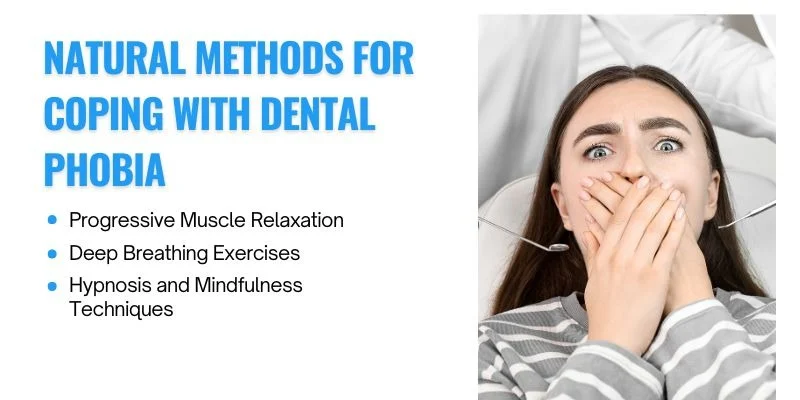
Several proven techniques can help you manage dental phobia without medication, such as progressive muscle relaxation to release physical tension, controlled breathing exercises to calm your nervous system, and mental focus practices that redirect anxious thoughts.
Progressive Muscle Relaxation
This technique involves tensing and releasing different muscle groups throughout your body. It helps you distinguish between tension and relaxation while reducing physical anxiety symptoms.
Begin by finding a comfortable position and focusing on your toes. Tense the muscles for 5-10 seconds, then release completely. Notice the contrast between tension and relaxation.
Move systematically through your body:
- Feet and calves
- Thighs and glutes
- Abdomen and chest
- Hands and arms
- Shoulders and neck
- Face and scalp
Practice this muscle relaxation technique for 15-20 minutes daily before your dental appointment. The physical release of tension signals your nervous system to calm down.
This method works well when paired with deep breathing. You can even use shortened versions while seated in the dental chair.
Deep Breathing Exercises
Deep breathing exercises directly counteract your body’s fight-or-flight response during dental anxiety. When you’re anxious, your breathing becomes shallow and rapid, which increases stress hormones.
The 4-4-4 breathing technique is highly effective for dental phobia:
| Step | Action | Duration |
| 1 | Inhale through nose | 4 counts |
| 2 | Hold breath | 4 counts |
| 3 | Exhale through mouth | 4 counts |
Practice this pattern 5-10 times before and during your dental visit. Deep breathing and meditation techniques send direct signals to your brain to activate relaxation responses.
Box breathing is another effective method where you inhale for 4 counts, hold for 4, exhale for 4, and hold empty for 4. This creates a steady rhythm that helps regulate your heart rate and reduces anxiety symptoms.
Hypnosis and Mindfulness Techniques
Hypnosis for dental phobia involves entering a relaxed, focused state where you can reframe negative thoughts about dental procedures. Self-hypnosis techniques include visualization of successful, comfortable dental visits.
Mindfulness practices keep you grounded in the present moment rather than worrying about potential discomfort. The 5-4-3-2-1 grounding technique works well in dental settings.
Identify around you:
- 5 things you can see
- 4 things you can touch
- 3 things you can hear
- 2 things you can smell
- 1 thing you can taste
Mindfulness and visualization techniques interrupt anxious thought patterns by focusing your attention on immediate sensory experiences. You can practice these methods while sitting in the dental chair.
Guided imagery involves mentally transporting yourself to a peaceful location during treatment. Visualize yourself on a beach, in a garden, or any calming environment that brings you comfort.
Book a consultation with Anna Dental in Anna, TX to explore the best treatment options tailored to your oral health, lifestyle, and budget.
Psychological Approaches: Therapy and Support
Professional psychological interventions offer effective pathways to overcome dental phobia through structured treatment methods. These approaches focus on changing thought patterns, gradual exposure to dental environments, and building strong communication channels with your dental team.
Cognitive Behavioral Therapy (CBT)
Cognitive behavioral therapy represents the most successful psychological treatment for dental anxiety and phobia. CBT works by identifying and changing negative thought patterns that fuel your fear of dental procedures.
During CBT sessions, you’ll learn to recognize catastrophic thoughts about dental treatment. Your therapist helps you replace these fears with realistic assessments of dental procedures and their actual risks.
Key CBT techniques include:
- Thought challenging and restructuring
- Relaxation training and deep breathing
- Problem-solving skills development
- Coping strategy implementation
CBT addresses both psychological and practical aspects of dental anxiety, providing long-term solutions. You’ll develop tools to manage anxiety before, during, and after dental appointments.
The therapy typically involves 6-12 sessions with a trained psychologist. Many patients experience significant improvement in their ability to tolerate dental procedures after completing CBT treatment.
Exposure Therapy for Dental Settings
Exposure therapy gradually introduces you to dental environments in a controlled, supportive manner. This systematic approach helps reduce your fear response through repeated, positive experiences.
Your therapist starts with less threatening dental-related stimuli. You might begin by looking at pictures of dental equipment or visiting a dental office without receiving treatment.
Progressive exposure steps typically include:
- Viewing dental procedure videos
- Sitting in a dental chair
- Meeting your dental team
- Experiencing dental sounds and smells
- Receiving minor procedures
Tell-show-do techniques and systematic desensitization form the foundation of exposure therapy. Each step builds confidence for the next level of dental interaction.
The process moves at your pace, ensuring you feel comfortable before advancing. Success with exposure therapy often leads to completely overcoming dental phobia.
Support Systems and Communication
Strong communication with your dental team creates a foundation for successful anxiety management. Open dialogue about your fears allows your dentist to tailor their approach to your specific needs.
Essential communication strategies include:
- Discussing your anxiety levels honestly
- Establishing hand signals for breaks
- Requesting detailed explanations of procedures
- Setting realistic treatment timelines
Effective dentist-patient therapeutic relationships significantly reduce dental anxiety. Your dental team can implement specific techniques to help you feel more comfortable and in control.
Family and friends also play crucial roles in your support system. Having someone accompany you to appointments or provide encouragement can make a substantial difference in your treatment experience.
Professional support groups connect you with others facing similar challenges. Sharing experiences and coping strategies with people who understand your fears provides valuable emotional support and practical tips.
Distraction and Modern Relaxation Technologies
Modern dental practices increasingly use technological innovations to help patients manage anxiety through immersive distractions. Relaxation techniques and a stress-free environment can significantly reduce anxiety when combined with advanced technologies.
Virtual Reality in Dentistry
Virtual reality headsets transport you to calming environments during dental procedures. You can explore peaceful beaches, serene forests, or engaging games while your dentist works.
This technology blocks visual and auditory stimuli from the dental environment. The immersive experience occupies your mind completely, reducing awareness of dental instruments and sounds.
VR Benefits:
- Complete visual distraction from clinical setting
- Noise reduction through headphones
- Interactive experiences maintain engagement
- Customizable content for personal preferences
Studies show VR significantly reduces anxiety levels during routine cleanings and minor procedures. The technology works best for appointments lasting 30-60 minutes.
Some dental offices offer guided meditation experiences through VR platforms. These combine traditional relaxation methods with cutting-edge visual technology for enhanced effectiveness.
Music, Visualization, and Guided Imagery
Music therapy creates a soothing atmosphere that masks clinical sounds and promotes relaxation. Many dental offices provide noise-canceling headphones with personalized playlists.
Effective Audio Options:
- Classical music with slow tempos
- Nature sounds like ocean waves
- Guided meditation recordings
- Binaural beats for deep relaxation
Guided imagery involves mental visualization of peaceful scenarios while receiving dental care. Your dentist or hygienist might lead you through breathing exercises combined with calming mental images.
Natural remedies include establishing a calming pre-visit routine and utilizing deep breathing and meditation techniques. These methods help activate your body’s natural relaxation response.
Progressive muscle relaxation teaches you to systematically tense and release muscle groups. This technique reduces physical tension and creates mental calmness during treatment.
Sedation Dentistry: Options and Effectiveness
Sedation dentistry offers multiple approaches to help you feel comfortable during dental procedures, ranging from mild relaxation with nitrous oxide to deeper sedation through IV methods.
Each option provides different levels of anxiety relief while maintaining your safety throughout treatment.
Overview of Sedation Dentistry
Sedation dentistry exists on a spectrum from minimal to deep, with different options suitable for varying levels of anxiety and procedure complexity. You can receive care without distress while remaining safe throughout your treatment.
The main benefits include reduced anxiety, improved comfort, and the ability to complete necessary dental work. Sedation dentistry significantly reduces anxiety, providing a comfortable experience for patients with dental phobia or fear.
Your dentist will evaluate your medical history, anxiety level, and the complexity of your procedure to recommend the most appropriate option. This personalized approach ensures you receive the right level of sedation for your specific needs.
Nitrous Oxide (Laughing Gas)
Nitrous oxide, commonly called laughing gas, provides the mildest form of sedation dentistry. You breathe the gas through a small mask placed over your nose, and it takes effect within minutes.
This option allows you to remain fully conscious and responsive during your procedure. You can communicate with your dentist and follow instructions while feeling relaxed and less anxious about the treatment.
The effects wear off quickly once the mask is removed, typically within five minutes. You can drive yourself home after your appointment and return to normal activities immediately.
Key advantages of nitrous oxide:
- Fast onset and recovery
- No needles required
- Adjustable levels during treatment
- Safe for most patients
Oral Sedation and IV Sedation
Oral sedation involves taking prescribed medication before your appointment to help you relax. Common sedation methods include nitrous oxide, oral conscious sedation, and IV sedation, with options tailored to individual patient needs and medical histories.
You’ll feel drowsy and may have little memory of the procedure, but you remain conscious throughout. Someone must drive you to and from your appointment since the effects can last several hours.
IV sedation delivers medication directly into your bloodstream through a small needle in your arm or hand. This method provides deeper relaxation and faster onset than oral sedation.
Comparison of sedation levels:
| Type | Onset Time | Duration | Memory | Recovery |
| Oral | 30-60 minutes | 2-8 hours | Limited | Slow |
| IV | 1-5 minutes | 2-6 hours | Minimal | Moderate |
You’ll need someone to accompany you home with both methods, and you shouldn’t operate vehicles or make important decisions for the remainder of the day.
Comparing Natural Methods and Sedation Approaches
Natural and sedation approaches for dental anxiety offer different benefits and risks depending on your specific needs and anxiety levels.
Understanding the effectiveness, side effects, and suitability of each method helps you make informed decisions about your dental care.
Benefits and Drawbacks of Each
Natural methods provide anxiety relief without medications or chemical interventions. You gain long-term coping skills through techniques like deep breathing, progressive muscle relaxation, and cognitive behavioral therapy.
These approaches have minimal to no side effects. You remain fully alert during treatment and can drive yourself home afterward.
However, natural methods require practice and time to become effective. They may not provide sufficient anxiety management for severe dental phobia cases.
Sedation dentistry offers immediate anxiety relief for dental treatment. Conscious sedation with nitrous oxide or oral medications can significantly reduce your stress levels during procedures.
Complex treatments become more manageable when you’re relaxed. Your dentist can often complete more work in a single visit.
The main drawbacks include potential side effects, higher costs, and the need for someone to drive you home. Some patients experience grogginess or nausea afterward.
Suitability for Different Anxiety Levels
Mild to moderate anxiety responds well to natural methods. Breathing exercises, distraction techniques, and communication with your dentist often provide adequate relief.
You might benefit from listening to music, using visualization techniques, or requesting breaks during treatment. These approaches work effectively for routine cleanings and minor procedures.
Moderate to severe anxiety may require a combination approach. Start with natural methods and add light sedation if needed.
Approximately 30% of adults report dental anxiety, with many falling into this category.
Severe dental phobia often necessitates sedation dentistry for treatment outcomes. Natural methods alone may not provide sufficient anxiety management for complex procedures.
Your dentist might recommend conscious sedation or deeper sedation levels. This ensures you receive necessary dental care without overwhelming distress.
Possible Side Effects and Risks
Natural methods carry virtually no physical risks or side effects. You might experience temporary frustration while learning new techniques.
Some people find certain relaxation methods initially increase their awareness of anxiety symptoms. This typically improves with practice and guidance.
Sedation dentistry risks vary by medication type and dosage. Common side effects include drowsiness, dizziness, and mild nausea.
Nitrous oxide effects wear off quickly, while oral sedation can last several hours. Rare but serious complications include allergic reactions or respiratory depression.
Pharmacological interventions have contraindications and increase treatment costs. Your medical history and current medications affect sedation safety.
Pregnant women, people with certain heart conditions, or those taking specific medications may not be candidates for sedation. Your dentist will review your health history before recommending sedation options.
Steps for Choosing the Right Coping Strategy
Selecting the most effective approach for your dental anxiety requires understanding your specific fear level and working closely with your dental team. The key lies in honest self-evaluation and open communication about your concerns.
Assessing Your Anxiety Level
Understanding the severity of your dental anxiety helps determine which coping methods will work best for you. Start by reflecting on your physical and emotional responses when thinking about dental visits.
Mild anxiety typically involves butterflies in your stomach or slight nervousness before appointments. You can usually manage these feelings with breathing exercises or relaxation techniques.
Moderate anxiety may cause sweating, increased heart rate, or difficulty sleeping before dental visits. Natural anxiety management techniques like meditation and aromatherapy often help at this level.
Severe anxiety or phobia can lead to panic attacks, complete avoidance of dental care, or physical symptoms like nausea. If you experience these symptoms, sedation options may be necessary alongside other coping strategies.
Consider keeping a journal of your anxiety symptoms. Note when they occur and their intensity on a scale of 1-10.
Collaborating With Your Dentist
At Anna Dental, we play a crucial role in helping you choose the right anxiety management approach. Open communication about your fears forms the foundation of effective anxiety management.
Schedule a consultation with Anna Dental to discuss your anxiety. Share details about past negative experiences, specific triggers, and physical symptoms you experience.
Ask us about our experience with anxious patients. We offer multiple approaches, including:
- Natural techniques: guided breathing, music therapy, or aromatherapy
- Mild sedation: nitrous oxide or oral medications
- Deeper sedation: IV sedation for severe cases
We can help you start with less invasive methods and adjust based on your response. We may recommend combining natural techniques with light sedation for optimal comfort.
Discuss timing options with us too. Some patients benefit from shorter, more frequent appointments rather than longer sessions.

