



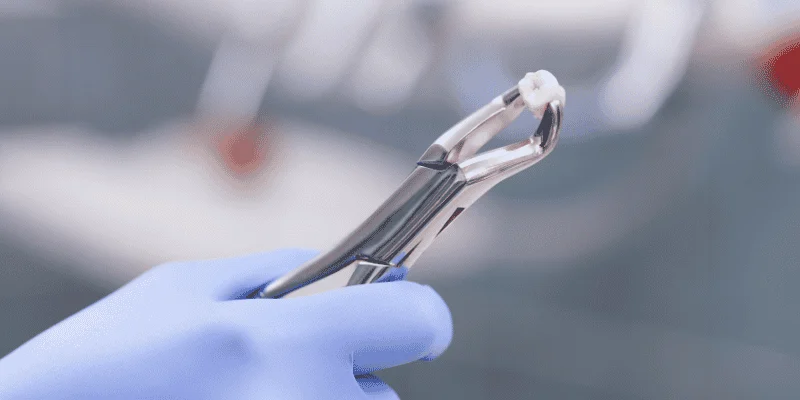
When a tooth hurts and your dentist gives you two options, you can feel stuck. Do you save the tooth with a root canal, or remove it with an extraction?
You should choose a root canal when the tooth can still be saved, and choose extraction only when the damage is too severe to repair.
A root canal removes infection from inside the tooth and keeps your natural tooth in place. An extraction removes the entire tooth, which may mean you need a bridge or dental implant later.
Each option affects your comfort, your bite, and your long-term oral health.
If you understand how each treatment works, what recovery feels like, and how costs compare over time, you can make a calm and confident choice.
Key Takeaways
- Save your natural tooth when possible to support long-term oral health.
- Compare healing time, comfort, and future dental needs before deciding.
- Think about total cost, including possible tooth replacement after removal.
When to Save or Remove a Tooth
When your dentist offers both a root canal and a tooth extraction, the choice depends on the condition of the tooth and your long-term goals.
You need to know if the tooth is restorable and whether keeping it will support your bite and overall oral health.
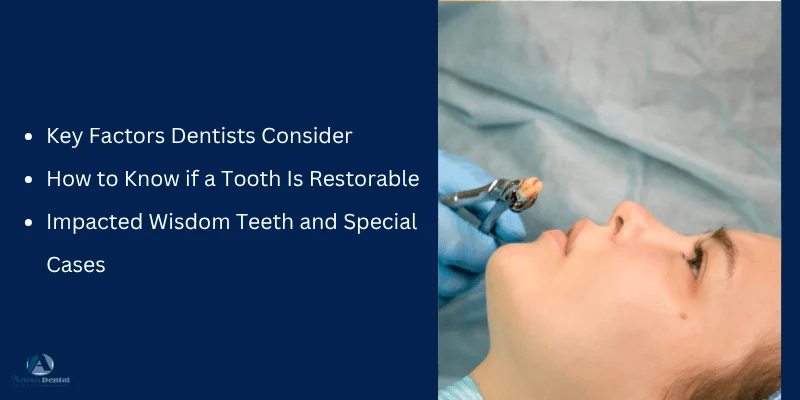
Key Factors Dentists Consider
Your dentist looks first at the extent of damage. Severe decay that reaches the infected pulp often calls for a root canal to remove the diseased pulp and seal the tooth.
If enough healthy structure remains, you can often save the tooth with a crown after treatment.
They also check for fractures. A small cracked tooth may respond well to a root canal. But a vertical root fracture or deep root fracture usually means the tooth cannot heal and needs extraction.
Gum health matters too. Advanced periodontal disease can loosen a tooth so much that saving it will not last. In that case, removing the tooth may protect nearby teeth from further bone loss.
Cost, healing time, and your overall health also play a role. For many patients, saving the natural tooth avoids shifting teeth and future bite problems.
How to Know if a Tooth Is Restorable
A tooth is restorable if it has enough strong structure above and below the gum line. Your dentist checks this with X-rays and a physical exam.
If tooth decay has not destroyed most of the crown, a root canal followed by a crown can rebuild strength. Even with infected pulp, the outer shell of the tooth can often stay in place.
Problems arise when decay extends deep below the gum or splits the tooth in two. A vertical root fracture almost always leads to extraction because bacteria can enter the crack and cause repeat infection.
You also need enough healthy bone around the roots. If bone loss from periodontal disease is severe, the tooth may not stay stable, even after treatment.
Impacted Wisdom Teeth and Special Cases
Impacted wisdom teeth often need removal. These teeth can trap food and bacteria under the gums, which raises the risk of infection and damage to nearby molars.
Many dentists recommend extraction for impacted wisdom teeth when they cause pain or swelling.
A root canal rarely works for impacted teeth because you cannot restore them properly. They often lack space to function in your bite.
Other special cases include teeth with repeated failed root canal treatment or severe root fracture. In some cases, retreatment can save the tooth. In others, extraction may stop ongoing pain and infection.
Your dentist weighs how long the tooth will last and how it affects your chewing before making a final plan with you.
How Each Procedure Works
You have two very different paths when a tooth is badly infected or damaged. One option removes the infection and keeps your natural tooth, while the other removes the entire tooth from your mouth.
Root Canal Treatment Steps
A root canal procedure, also called endodontic therapy, focuses on saving your natural tooth. During this type of root canal treatment, your dentist or endodontist removes the infected pulp from inside the tooth.
First, you receive local anesthesia to numb the area. The dentist makes a small opening in the top of your tooth to reach the pulp chamber and root canals.
Next, they:
- Remove infected tissue
- Clean and shape the canals
- Disinfect the inside of the tooth
After cleaning, they fill the space with a rubber-like material called gutta-percha (also spelled gutta percha). This seals the canals and helps prevent future infection.
In many cases, you return for a permanent porcelain crown. Some offices offer a same-day crown to restore strength and function faster. The goal of root canal therapy is to keep your natural tooth working like before.
Tooth Extraction Types and Process
Tooth removal takes out the entire tooth from its socket. Dentists use two main methods:
| Type | When It’s Used | What Happens |
| Simple extraction | Tooth is visible and easy to access | Dentist loosens and removes it with tools |
| Surgical extraction | Tooth is broken, impacted, or below the gum line | Dentist makes a small cut in the gum |
A tooth extraction removes the source of infection completely. You also receive local anesthesia for comfort.
After removal, the dentist may place stitches. You bite on gauze to control bleeding. If you plan to replace the tooth with an implant or bridge, you may need more visits.
Removing a tooth can solve the problem quickly, but it leaves a gap. That space can affect chewing and tooth alignment if you do not replace it.
Role of Dental Specialists
Your general dentist can perform many root canals and simple extractions. However, you may see a dental specialist for more complex cases.
An endodontist focuses on endodontic treatment. They receive extra training in diagnosing tooth pain and performing detailed root canal procedures. You may see an endodontist if:
- The tooth has curved or narrow canals
- You have severe infection
- A previous root canal failed
For surgical extractions, especially impacted teeth, your dentist may refer you to an oral surgeon.
Specialists use advanced tools and imaging. Their training can increase the chance of saving your tooth or removing it safely when needed.
What to Expect During and After the Procedure
Both treatments start with numbing the area. You should feel pressure but not sharp pain.
After a root canal therapy appointment, you may notice mild soreness for a few days. Over-the-counter pain relievers often help. You should avoid chewing on the treated side until your crown is placed.
After an extraction, you may have swelling and tenderness. You need to:
- Rest for the first 24 hours
- Avoid straws and smoking
- Keep the area clean with gentle oral hygiene
Good oral hygiene lowers the risk of infection in both cases. Brush carefully, floss daily, and follow your dentist’s instructions.
Healing times vary. Most people return to normal activities within a day or two, but full healing of the bone after extraction can take several weeks.
Comparing Recovery and Long-Term Oral Health
Your choice affects how long you heal, how well you chew, and how stable your bite stays. It also shapes your risk of bone loss, gum disease, and future dental work.

Root Canal Recovery and Success
Root canal recovery is usually short and predictable. You may feel mild soreness for a few days, especially when you bite down.
Most people return to normal activity within 24 to 48 hours. Over‑the‑counter pain medicine often controls discomfort.
A crown protects the treated tooth after the procedure. If you delay the crown, the tooth can crack or become reinfected.
A failed root canal can happen if bacteria remain inside the canals or if the seal breaks. In many cases, your dentist can perform root canal retreatment to clean and reseal the tooth.
When done well and restored with a crown, a root canal can support normal chewing function for many years. It keeps your natural root in place, which helps maintain bite stability and jawbone health.
Extraction Recovery and Complications
Extraction recovery often takes longer than root canal recovery. The gum tissue may close in one to two weeks, but full bone healing can take several months.
You may have swelling, bruising, or more soreness during the first few days. Your dentist will give you clear aftercare steps to lower your risk of problems.
The most common complication is dry socket. This happens when the blood clot in the socket comes out too soon, which exposes the bone and causes sharp pain.
Smoking, rinsing too hard, or using a straw too soon can raise your risk. Prompt treatment from your dentist can ease the pain and protect healing.
If you do not replace the missing tooth, you also face long‑term changes in chewing and oral health.
Bite Changes and Chewing Function
Your natural teeth work together as a unit. When you remove one, the nearby teeth may drift into the empty space.
These bite changes can affect how your upper and lower teeth meet. Over time, this can reduce bite stability and place extra stress on certain teeth.
You may notice food getting trapped in new gaps. This can raise your risk of cavities and gum disease.
If you keep your tooth with a root canal and crown, you usually maintain normal chewing function. The restored tooth helps spread chewing forces evenly across your bite.
If you choose extraction, you can protect your chewing ability with a dental implant, denture or bridge. Without replacement, chewing on that side may feel weaker or less balanced.
Preventing Bone Loss and Gum Issues
Your tooth roots stimulate the jawbone each time you chew. When you lose a tooth, that area no longer receives regular pressure.
This can lead to bone loss over time. The jaw may shrink in that spot, which can change your facial shape and make future implants harder to place.
Bone loss can also affect nearby teeth by reducing support. If you already have gum disease, this loss of support may speed up tooth mobility.
A root canal keeps the natural root in place. That helps preserve bone and supports long‑term oral health.
If you need an extraction, ask about options that protect the bone. An implant placed in the socket can help maintain bone and improve long‑term bite stability.
Cost Considerations and Tooth Replacement Options
You need to look past the price of the first visit and think about the full cost of care. A root canal, a tooth extraction, and any tooth replacement that follows can change your total bill by thousands of dollars.
Root Canal and Restoration Costs
A root canal often costs more than a simple extraction at the start. Treatment may range from about $1,000 to $3,000, and you may need a crown that adds $1,200 to $3,000.
Front teeth usually cost less than molars. Molars have more roots and take longer to treat.
You should also plan for:
- A permanent crown to protect the treated tooth
- Possible crown replacement in 10–15 years
- Rare retreatment if infection returns
When the tooth has strong bone support and enough healthy structure, a root canal can last many years. That long lifespan can make the higher upfront cost easier to justify.
Extraction Cost and Hidden Expenses
The extraction cost looks lower at first. Simple removals may cost a few hundred dollars, while complex or surgical cases can reach $2,000.
However, you rarely stop at the extraction alone.
Once you remove a tooth, you may need:
- A dental implant
- A fixed bridge
- A partial denture
Replacing a missing tooth can raise your total cost well above the price of saving it.
If you do nothing, nearby teeth can shift. Bone in the jaw may shrink over time. That can make future treatment more complex and more expensive.
Choosing Between Implants, Bridges, and Dentures
After a tooth extraction, you must choose a tooth replacement that fits your budget and health.
A dental implant usually costs the most. It includes a titanium post placed in the jaw and a crown on top. Implants often last many years and do not rely on nearby teeth.
A fixed bridge uses the teeth next to the gap for support. The dentist shapes those teeth and places crowns that hold a false tooth in the middle. Bridges often cost less than implants at first but may need replacement after 10 years.
A partial denture costs less than both. It is removable and rests on your gums and nearby teeth. Some people like the lower price. Others prefer the stability of an implant or bridge.
Bone Grafting and Additional Treatments
Bone health plays a major role in your final cost.
If you lose bone after a tooth extraction, your dentist may recommend a bone graft. This adds material to the jaw to support a future dental implant. A graft increases both healing time and cost.
You may also need:
- A sinus lift for upper back teeth
- Gum treatment if you have periodontal disease
- Temporary restorations while you heal
These extra steps can add hundreds or thousands of dollars. When you compare options, include these possible treatments in your estimate so you understand the true financial impact of each choice.
Pros, Cons, and Decision-Making Tips
When you face a choice between a root canal vs extraction, you need clear facts. The right option depends on your tooth, your health, and your long‑term goals.
Advantages and Disadvantages of Each Procedure
A root canal treats an infected tooth by removing the damaged pulp and sealing the inside. This lets you focus on saving a tooth instead of losing it.
According to the American Association of Endodontists comparison of root canal vs extraction, this option helps you keep your natural tooth and often avoids more complex replacements like implants or bridges.
Root canal – Pros
- Keeps your natural tooth
- Maintains bite strength, especially in a back molar
- Usually less disruption to nearby teeth
Root canal – Cons
- May fail if infection returns
- Often needs a crown, which adds cost
An extraction removes the tooth fully.
Extraction – Pros
- Removes infection quickly
- May cost less at first
Extraction – Cons
- Can lead to shifting teeth
- Often requires a bridge or implant later
- Healing may take longer
If you lose a molar, chewing can become harder. Replacing it adds time and expense.
Deciding With Your Dentist

You should not decide alone. Your dentist will check how much healthy tooth remains, how deep the infection spreads, and whether the tooth can support a crown.
When dentists compare options, they look at different factors. These include the location of the tooth, your budget, and your overall health.
If the tooth structure is strong, a root canal often makes sense. If the tooth has large cracks or severe bone loss, extraction may be safer.
You also need to think about your daily habits. Good oral hygiene lowers the risk of another infected tooth. If you struggle with brushing and flossing, long‑term success may change.
Weighing Risks Like Infected Tooth and Root Canal Failure
Both treatments stop pain from an infected tooth. They just solve the problem in different ways.
A root canal can fail if bacteria stay inside the canals or if you delay getting a crown. You may then need retreatment or surgery. This risk is higher in back molars because they have more roots and narrow canals.
Extraction removes the tooth, so the original infection cannot return there. But you still face risks. Nearby teeth may shift into the gap. Your bite can change. Bone in the area may shrink over time.
When you compare root canal vs extraction, think long term. Ask yourself if keeping your natural molars will protect your chewing, speech, and oral hygiene routine over the next 10 to 20 years.
Frequently Asked Questions
When a tooth is badly damaged or infected, you often face two clear options: save it with a root canal or remove it with an extraction. Your choice affects pain, cost, healing time, and how your bite works in the long run.
How do I choose between saving a tooth with a root canal or having it removed?
You start with the condition of the tooth. If the root and most of the structure remain strong, many dentists prefer to save it.
A root canal removes the infected pulp, cleans the inside of the tooth, and seals it so you can keep your natural tooth. The American Association of Endodontists explains root canal vs extraction and notes that saving the tooth often avoids more complex replacement work.
If the tooth is split beyond repair, has severe bone loss, or cannot support a crown, extraction may make more sense. Your dentist will check X‑rays, gum health, and how stable the tooth feels before you decide.
Which usually hurts more: a root canal or a tooth extraction?
With modern numbing medicine, both procedures should feel similar during treatment. You should not feel sharp pain while the dentist works.
Afterward, extractions often cause more soreness because the dentist removes the entire tooth from the socket. A root canal keeps the tooth in place, so healing can be more comfortable for many people.
Your pain level also depends on how infected the tooth was before treatment. Severe swelling can make either option feel more tender for a few days.
What are the main pros and cons of a root canal compared to an extraction?
A root canal lets you keep your natural tooth. That helps maintain your bite and keeps nearby teeth from shifting.
An extraction removes the problem tooth right away. However, leaving a gap can affect chewing and alignment, so you may need an implant or bridge later.
Some dental guides compare root canal vs extraction pros and cons and point out that keeping your natural tooth often leads to simpler long‑term care.
The downside is that a root canal usually requires a crown, which adds time and cost.
How do costs typically compare between a root canal (with a crown) and an extraction (with replacement)?
A simple extraction often costs less at first than a root canal. That can make it seem like the cheaper choice.
But if you replace the missing tooth with an implant or bridge, total costs can rise. Some dental providers note that tooth extraction costs less than root canal treatment, yet replacement changes the full picture.
A root canal plus a crown can cost more upfront than just pulling the tooth. Still, it may cost less than extraction followed by an implant.
If a back molar or second molar is infected, when is a root canal still worth trying?
Back molars handle most of your chewing force. Losing one can change how you bite and strain other teeth.
If the roots remain solid and there is enough healthy tooth to hold a crown, a root canal can still work well on a molar. Endodontists treat molars often, even though they have multiple canals.
If the molar has severe cracks below the gum line or advanced bone loss, extraction may be the safer choice. Your dentist will look at the depth of the damage before recommending treatment.
If a tooth is cracked, how can I tell whether it can be fixed with a root canal or needs to be extracted?
Cracks that reach the pulp but do not split the root may be treatable with a root canal and crown. The crown helps hold the tooth together after treatment.
If the crack runs vertically down the root or splits the tooth into separate pieces, saving it is usually not possible. In that case, extraction prevents ongoing infection and pain.
You cannot judge this by pain alone. Your dentist needs an exam and X‑rays to see how deep the crack goes before you choose a plan.

