




Watching your child feel anxious or scared during medical procedures can be stressful for any parent.
Many children struggle with fear during dental visits, imaging tests, or minor medical procedures, which can make necessary care difficult or even impossible to complete.
Pediatric sedation offers a safe and effective way to help anxious children stay calm and comfortable during medical and dental procedures while ensuring the best possible care.
Sedation for children uses carefully chosen medications to help kids relax or sleep through procedures that might otherwise cause fear or require them to stay very still.
The approach ranges from mild relaxation techniques to deeper sedation depending on your child’s needs, age, and the type of procedure.
Understanding how sedation works and what to expect can help you feel more confident in making decisions about your child’s care.
Whether your child needs a simple dental filling or a longer medical test, knowing the facts about pediatric sedation can ease your worries.
This guide will walk you through the different types of sedation available, what happens before and after the procedure, and how medical teams keep your child safe throughout the process.
Key Takeaways
- Sedation uses medications to help anxious children stay calm or sleep during medical and dental procedures
- Different levels of sedation are available based on your child’s age, anxiety level, and the type of procedure needed
- Trained medical teams monitor children closely during sedation and provide clear instructions for safe recovery at home
Understanding Sedation and Its Role in Pediatric Care
Sedation helps children stay calm and still during medical procedures by using medications that reduce anxiety and discomfort.
It works differently than general anesthesia and serves specific purposes for anxious children who need diagnostic tests or treatments.
What Is Sedation in Children?
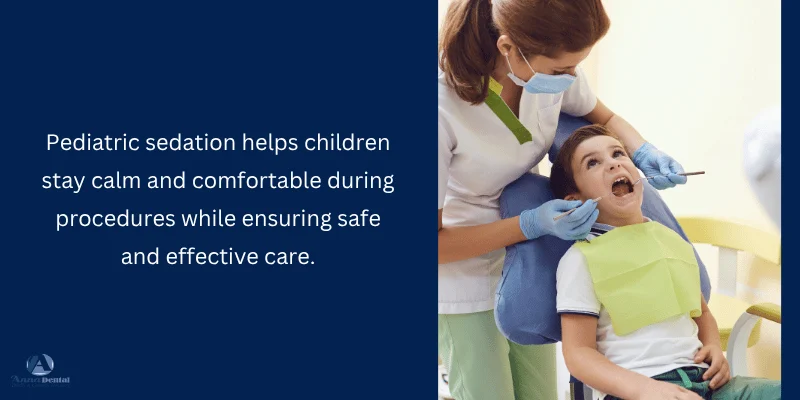
Pediatric sedation uses different medications to help your child relax during medical procedures. The medications work by calming the nervous system so your child feels less anxious and more comfortable.
Doctors use sedation when your child needs to stay still for tests like MRI scans or procedures like getting stitches.
The main goals of sedation include guarding your child’s safety, minimizing pain and discomfort, controlling anxiety, and allowing procedures to be completed safely.
The type and amount and type of sedation your child receives depends on the procedure. Some procedures only need light sedation where your child stays awake but relaxed.
Others require deeper sedation where your child might fall asleep but can still be woken up.
How Sedation Differs From General Anesthesia
Sedation and general anesthesia are not the same thing. With sedation, your child can usually breathe on their own and respond to voice or touch.
With general anesthesia, your child is completely unconscious and cannot respond at all.
During sedation, your child maintains their protective reflexes like coughing and swallowing. Under general anesthesia, these reflexes stop working, which is why breathing tubes are often needed.
Sedation exists on a spectrum from minimal to deep. Minimal sedation means your child stays awake and can answer questions normally.
Moderate sedation makes your child drowsy but they can still follow simple directions. Deep sedation means your child might not respond easily but can be awakened.
Why Sedation Is Used for Anxious Children
Sedation helps reduce your child’s stress during medical experiences and makes it easier for doctors to complete procedures efficiently.
Many children under 6 years old cannot stay still long enough for certain procedures, even with distraction techniques.
Your child might need sedation for:
- Imaging tests like MRI or CT scans that require staying completely still
- Dental procedures that take a long time or cause discomfort
- Minor surgeries like fixing broken bones or removing growths
- Diagnostic tests that involve uncomfortable equipment
Children younger than 6 years often require deeper sedation to control their behavior during procedures.
Anxious children benefit from sedation because it prevents psychological trauma and creates positive medical experiences for the future.
Types and Levels of Sedation for Kids
Doctors use different levels and types of sedation depending on your child’s needs and the procedure they’re having. The medications and methods vary based on your child’s age, weight, and how still they need to stay.
Levels of Sedation: Mild, Moderate, Deep
Sedation occurs on a continuum with three main levels before reaching general anesthesia. With mild sedation, your child stays awake and relaxed but can still respond normally to questions.
They’ll feel calmer but remain aware of what’s happening around them.
Moderate sedation puts your child in and out of consciousness. They can be awakened by sound or touch during the procedure. This level works well for tests that require your child to hold still for short periods.
Deep sedation means your child is unconscious and won’t respond to sound or touch. The pediatric patient may require deeper levels of sedation simply for behavioral or movement control.
This level is often used for longer procedures like MRIs or CT scans.
Types of Sedation Medicines Used
Several sedation medications are commonly used for children. Midazolam (Versed) helps ease anxiety and helps your child relax. It can be given by mouth, through the nose, or through an IV.
Pentobarbital (Nembutal) is a long-acting medication that causes deep sedation. Children usually fall asleep within a few minutes of receiving it.
Ketamine provides both sedation and pain relief. Propofol is a short-acting medication with quick onset that causes deep sedation. Dexmedetomidine (Precedex) works as a sedative and helps with anxiety.
Fentanyl (Sublimaze) is used to supplement sedation and relieve pain during procedures. The doctor chooses medications based on your child’s age, weight, developmental level, and health history.
Nitrous Oxide and Other Sedation Methods
Your child can receive sedation in different ways. The most common methods include oral (by mouth as a pill or liquid), intranasal (spray into the nostrils), intramuscular (injection into a muscle), or intravenous (injection into a vein).
Nitrous oxide, often called laughing gas, provides mild sedation and is commonly used in dental procedures. It wears off quickly once your child stops breathing it in.
The delivery method depends on the level of sedation needed and your child’s age. Younger children often receive oral or intranasal sedation first to help them relax before IV placement.
Questions about pediatric sedation in Anna, TX? Contact our dental team for guidance and support.
The Sedation Process: What Parents and Children Can Expect
Understanding the sedation process helps reduce anxiety for both you and your child.
Pediatric sedation typically involves a pre-sedation evaluation, the actual procedure where medications help your child stay calm and still, and a recovery period that lasts about an hour.
Preparing Your Child for Sedation
Your child will need to follow specific fasting guidelines before sedation for procedures. No solid foods should be eaten for 8 hours before the appointment.
Your child can have clear liquids like water or apple juice until 2 hours before arrival time.
Bring comfort items that will help your child feel safe. Pack a favorite blanket, stuffed animal, or toy to keep them calm during wait times. Consider bringing activities like coloring books or small games.
Plan to arrive 90 minutes before your child’s scheduled procedure. This extra time allows staff to complete insurance registration, perform a medical exam, and give pre-medications time to work.
Important items to pack:
- Favorite comfort object
- Preferred cup or sippy cup
- Activities for waiting
- Snacks for after recovery
What Happens During Sedation
A nurse will check your child’s weight, height, and vital signs when you arrive at the sedation service. A sedation pediatrician will review your child’s medical history and obtain your written consent.
Your child will likely receive an anxiolytic medication like Versed before the IV is placed. This sedation medication helps them relax and may cause them to forget the IV placement.
Common sedation medicines include:
- Midazolam (Versed) – reduces anxiety
- Pentobarbital (Nembutal) – causes deep sedation
- Propofol – quick-acting deep sedative
- Ketamine – provides sedation and pain relief
Most procedures last 30 to 60 minutes. MRI scans typically take about one hour per study. Staff will give you a timeframe and keep you updated during the procedure.
Recovery and Aftercare at Home
Your child will wake up in their original sedation room. Recovery takes about 45 minutes to one hour on average. Some children wake up confused or upset, which is called emergence delirium.
Two adults should accompany your child home when possible. One person drives while the other watches your child for nausea or unsafe sleeping positions.
Side effects from sedation for children can last up to 24 hours. Your child may be sleepy for several hours, have trouble with balance, or experience vomiting. Some children show challenging behaviors for a few hours after sedation.
Keep your child home from school the next day if needed. Avoid letting them climb stairs alone or participate in activities that require good coordination until the medication fully wears off.
Who Provides Sedation: The Pediatric Sedation Team
Your child’s sedation will be managed by a specialized team of medical professionals trained to keep your child safe and comfortable. These dedicated sedation teams work together to monitor your child throughout the procedure.

Roles of Anesthesiologists and Nurse Anesthetists
An anesthesiologist is a physician who specializes in providing anesthesia and managing patient care before, during, and after procedures.
These doctors complete years of specialized training in airway management and medication administration. Anesthesiologists are the most skilled in caring for complex pediatric patients who need sedation for medical procedures.
A certified registered nurse anesthetist, or CRNA, is an advanced practice nurse with specialized training in anesthesia care. These nurses work alongside physicians or sometimes independently to deliver sedation services.
Both anesthesiologists and CRNAs can assess your child’s needs, choose appropriate medications, and respond quickly if any problems arise during sedation.
The professional you work with depends on your child’s medical history and the type of procedure scheduled. Children with significant health problems typically receive care from an anesthesiologist.
Certified Registered Nurse Anesthetist (CRNA) Involvement
CRNAs hold advanced nursing degrees and receive extensive additional training in sedation and anesthesia.
These advanced practice nurses may provide sedation services while working with specialty physicians or may deliver care independently based on hospital policies.
Your child’s CRNA will review medical history, explain the sedation plan, and monitor vital signs throughout the procedure. They use specialized equipment to track heart rate, breathing, and oxygen levels.
Many pediatric sedation programs include CRNAs as core team members because of their expertise in medication management and patient monitoring.
They’re trained to recognize when a child needs more or less sedation and can adjust medications accordingly.
Importance of Sedation Services
Pediatric sedation services bring together doctors and nurses who focus solely on keeping your child comfortable and safe during medical tests.
These teams developed to improve access to safe sedation and prevent children from experiencing trauma during necessary procedures.
Before sedation services existed, many children underwent tests without any medication to ease their fear or discomfort. This often left them traumatized and made future medical care more difficult.
A dedicated sedation service means one provider focuses entirely on your child’s comfort and safety while another performs the actual test or procedure.
This team approach creates better outcomes and helps anxious children get through necessary medical care with less stress.
Safety, Comfort, and Support for Anxious Children
When your child needs sedation for a dental or medical procedure, understanding the safety protocols, support options, and potential risks helps you feel more prepared and confident in the care they’ll receive.
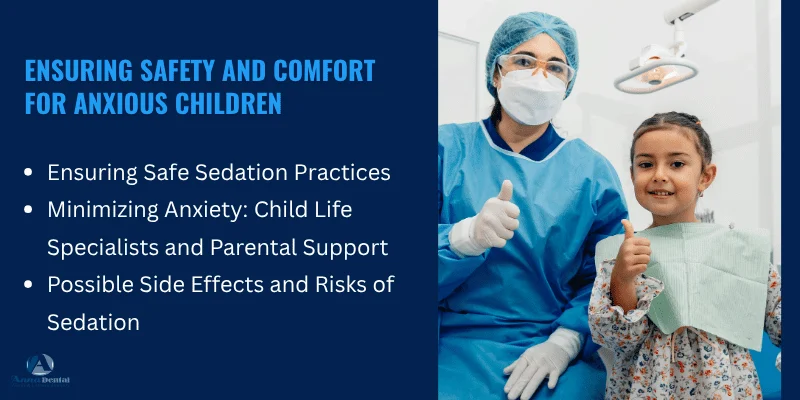
Ensuring Safe Sedation Practices
Safe pediatric sedation requires careful planning before, during, and after your child’s procedure. Your child’s doctor will review their medical history, current medications, and any conditions that might increase risk during sedation.
Guidelines for monitoring pediatric patients emphasize that children should never receive sedation medicines without proper medical supervision.
Your child will need to fast before elective procedures to reduce the risk of complications.
During the procedure, trained staff will continuously monitor your child’s breathing, heart rate, and oxygen levels. The medical team must have the right equipment and skills to handle any complications that might arise.
This includes knowing how to manage airway problems or breathing issues.
The sedation service team uses age-appropriate doses and carefully selects sedation medication based on the specific procedure your child needs.
After the procedure, your child will be monitored in a recovery area until they return to their normal level of awareness before going home.
Minimizing Anxiety: Child Life Specialists and Parental Support
You have several options to help reduce your child’s anxiety without relying only on sedation medication.
Many hospitals employ certified child life specialists who provide emotional support and help prepare children for medical procedures using their training in child development and psychology.
These specialists use techniques like distraction, guided imagery, and age-appropriate explanations to help your child feel more comfortable.
Some facilities offer electronic devices with games or videos to keep children calm during procedures.
Your presence can make a significant difference in your child’s anxiety levels. Many medical facilities now allow parents to stay with their children during preparation and sometimes during the procedure itself.
Careful preparation at home, explaining what will happen in simple terms, also helps your child know what to expect.
Possible Side Effects and Risks of Sedation
Most children experience only mild side effects after sedation that resolve within a day. Common side effects include drowsiness, dizziness, nausea, or slight confusion as the sedation medicines wear off.
More serious risks exist but are less common when experienced practitioners follow proper safety protocols. Your child might experience breathing problems, airway obstruction, or changes in heart rate during sedation.
Children younger than six years, especially infants, face higher risks because sedation affects their breathing and airway reflexes more significantly.
Risk factors that increase complications include:
- Developmental disabilities
- Large tonsils or airway abnormalities
- Underlying medical conditions
- Use of multiple sedating medications together
The medical team must have skills to “rescue” your child if they slip into a deeper level of sedation than intended. This means they can recognize problems quickly and have the training to provide life-support measures if needed.
Frequently Asked Questions
Parents often wonder about the specifics of how sedation works, what medications their child will receive, and how to prepare for the appointment. Understanding fasting requirements, safety protocols, and adaptations for children with special needs helps families feel more confident.
When is sedation recommended for a child who feels very anxious during a medical or dental procedure?
Sedation is typically recommended when your child’s anxiety or fear makes it difficult to complete necessary medical or dental treatment safely.
If your child cannot sit still for extended periods or becomes extremely distressed during procedures, sedation helps them stay calm and comfortable.
Doctors and dentists may suggest sedation for procedures that require your child to remain motionless. This includes imaging tests like MRIs and CT scans, dental work involving multiple teeth, or medical procedures like bone marrow biopsies.
Pediatric sedation dentistry transforms anxiety-inducing visits into manageable appointments. Some children have previous negative experiences or developmental conditions that make standard care approaches unsuccessful.
In these cases, sedation allows providers to deliver comprehensive care without causing emotional trauma.
What are the most common sedation medicines used for children, and how are they given?
Midazolam (Versed) is one of the most frequently used medications for pediatric sedation. It helps ease anxiety and relax your child before and during procedures.
Your child may receive it by mouth, through a nasal spray, or through an IV.
Pentobarbital (Nembutal) causes deep sedation and helps children fall asleep within minutes. Doctors give this medication either by mouth or through an IV for longer procedures.
Propofol works quickly and causes deep sedation, but it only lasts a short time. Medical teams give it through an IV and often use it for procedures that don’t take very long.
Common sedation medications also include fentanyl for pain relief and ketamine for both sedation and pain management.
Dexmedetomidine (Precedex) serves as a sedative and pain reliever given through nasal spray. Each medication choice depends on your child’s specific needs and the procedure type.
How do doctors decide the right sedation level and dose for a child based on age and weight?
Doctors consider your child’s age, weight, and developmental stage when choosing sedation levels and doses. They also factor in the type of procedure, how long it will take, and your child’s medical history.
There are three main sedation levels. Minimal sedation keeps your child awake and relaxed but able to respond normally.
Moderate sedation means your child drifts in and out of consciousness but wakes with sound or touch. Deep sedation makes your child unconscious and unresponsive to sound or touch.
Your child’s weight directly affects medication dosing because medicines work differently in smaller versus larger bodies. Younger children often need different medications or delivery methods than older kids.
The medical team reviews any health conditions, allergies, or previous reactions to medications. They adjust their plan if your child has breathing problems, heart conditions, or takes regular medications.
What safety guidelines and monitoring should parents expect during pediatric sedation?
Your child will receive continuous monitoring throughout the entire sedation process. Medical staff will track heart rate, blood pressure, oxygen levels, and temperature using specialized equipment.
A trained sedation team stays with your child from the moment sedation begins until full recovery. This team typically includes a sedation pediatrician, nurse practitioner, and registered nurses who specialize in pediatric care.
You should expect your child to have an IV placed for medication delivery and emergency access. The IV also allows staff to give fluids that help with recovery after the procedure ends.
Safety protocols during pediatric sedation include having emergency equipment and medications immediately available. Medical providers follow strict fasting guidelines to reduce the risk of complications.
Staff members check and double-check medication orders through the pharmacy before giving any drugs to your child.
How can sedation be adapted for children with autism or sensory sensitivities?
Children with autism or sensory sensitivities can receive modified sedation approaches that reduce stress and accommodate their specific needs.
Tell the scheduler about your child’s challenges so the team can plan ahead and connect you with additional resources.
The sedation team may offer an early morning appointment to make fasting easier for children who follow rigid routines. Later appointments work better for some families because they cause less disruption to daily schedules.
You can request environmental changes like dimmed lights, reduced noise, or fewer people in the room. Bring sensory objects that soothe your child, such as noise-canceling headphones, squishy balls, or chewing toys.
Share your child’s communication methods with the staff, including any devices they use. Tell providers what approaches work best and what tends to upset your child.
Bringing familiar comfort items like special blankets or stuffed animals helps many children feel safer.
A Child Life Specialist can meet with your family before the appointment to prepare your child using methods suited to their understanding level.
Some children with special needs wake up with more challenging behaviors after sedation, so having a support person with you helps during the journey home.
What should parents do to prepare their child for sedation, including eating and drinking rules beforehand?
Your child must stop eating solid foods at least eight hours before the scheduled arrival time. This includes items like applesauce, pudding, gum, and candy.
Fasting prevents stomach contents from entering the lungs if your child vomits during sedation.
Clear liquids like water, apple juice, or ginger ale are allowed until two hours before arrival. Breast milk can be given until three hours before your appointment time.
Formula guidelines vary by age. Babies under six months old may have plain formula until four hours before arrival. Babies between six and twelve months old must finish formula six hours before the appointment, and you cannot add cereal to the formula.
Do not brush your child’s teeth or let them chew gum on the day of sedation. Both activities stimulate stomach secretions and increase risks. Check that no snacks are hiding in or around your child’s car seat.
Plan to arrive 90 minutes before the scheduled procedure time. This allows time for registration, medical examination, pharmacy verification, and medication to take effect.
Bring comfort items like favorite toys, blankets, or books to help your child feel secure. Pack activities to keep them busy during the three to four hour visit.
Be positive and avoid sharing your own fears or negative medical experiences with your child.

