


When it comes to keeping your child’s teeth healthy and cavity-free, both dental sealants and fluoride treatments are powerful tools. The best choice depends on your child’s age, risk of cavities, and how their teeth develop.
Understanding how each treatment works can help you make the right decision for their smile.
Sealants act like a shield by covering the chewing surfaces of back teeth where cavities often start. Fluoride, on the other hand, works by strengthening tooth enamel, making it harder for decay to form.
Using them smartly, sometimes together, offers the strongest protection against cavities.
Key Takeaways
- Sealants protect hard-to-clean grooves on molars by creating a strong barrier.
- Fluoride helps rebuild and strengthen enamel to resist decay.
- Combining both treatments based on your child’s risk gives the best cavity protection.
Understanding Cavities in Children
Cavities form when harmful bacteria in the mouth break down sugar and produce acid. This acid eats away at the tooth’s enamel, causing decay.
Keeping your child’s teeth healthy means knowing what causes cavities and why kids are more at risk.
Causes of Tooth Decay
Tooth decay starts with plaque, a sticky film full of bacteria. When your child eats sugary or starchy foods, these bacteria produce acid that attacks tooth enamel.
Over time, this weakens the enamel and creates tiny holes called cavities.
Poor oral hygiene makes it worse. If your child doesn’t brush or floss well, plaque stays on teeth and decay advances faster.
Drinks like juice or soda add sugar and acid, increasing the risk. Cavities often begin in deep grooves or pits on the back teeth where food gets stuck.
Keeping a regular brushing routine and limiting sugary snacks can help reduce the chances of tooth decay.
Why Kids Are More Prone to Cavities
Kids’ teeth are more vulnerable because enamel is thinner and softer than adult teeth. This means it takes less acid to cause damage.
Also, the grooves and crevices on children’s molars trap food easily, making cleaning tricky.
Young kids may not brush thoroughly or may miss spots, which lets bacteria build up. Their diet often has more sugary treats and drinks, supporting the growth of cavity-causing bacteria.
Plus, some kids have a family history of weak enamel or saliva that doesn’t protect teeth well. Because their teeth are still developing, cavities can spread quickly.
What Are Dental Sealants?
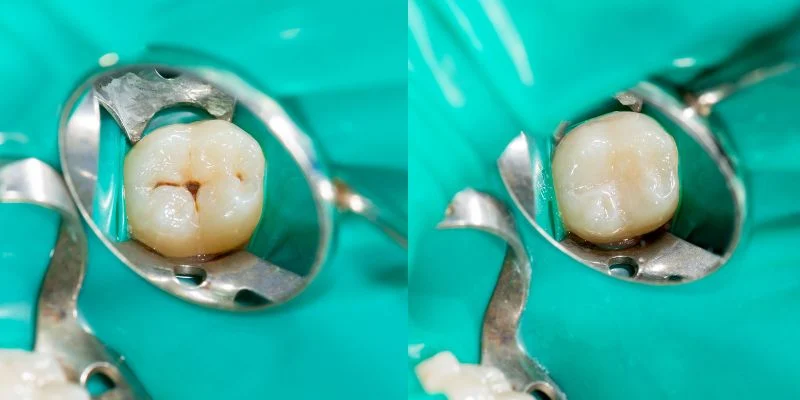
Dental sealants are a simple way to protect your child’s back teeth from cavities. They work by covering deep grooves where food and bacteria often get stuck.
Sealants are usually clear or white and painted onto teeth that need extra protection, like molars and premolars.
How Dental Sealants Work
Sealants act like a shield. They create a smooth, plastic layer over the chewing surfaces of your child’s teeth.
This layer blocks food particles and plaque from settling into the tiny grooves and pits where brushing might miss. Because these spots are hard to clean thoroughly, dental sealants stop cavities before they start.
The process is quick and painless, and usually takes just a few minutes per tooth. After the sealant is applied, it hardens to provide long-lasting defense against decay.
Which Teeth Benefit Most from Sealants
Sealants are most helpful on molars and premolars. These teeth have more grooves and crevices, making them prone to cavities.
Typically, sealants are applied when the first permanent molars come in, around age 6, and again for second molars around age 12. Children who have a higher risk of cavities or those who have had fillings before can benefit even more from sealants.
By protecting these vulnerable teeth early, you can avoid painful and costly dental work later.
Duration and Safety of Dental Sealants
Sealants can last 3 to 5 years, but they should be checked at dental visits to make sure they’re still intact. Sometimes they need to be reapplied if worn down.
They are safe and do not contain harmful ingredients. Dentists recommend sealants as part of a complete cavity-prevention plan along with fluoride and good brushing habits.
All About Fluoride Treatments
Fluoride treatments are an important part of protecting your child’s teeth. They work by making the enamel stronger and harder to damage.
You’ll learn how fluoride helps, the kinds of treatments available, and what makes these treatments safe and effective for kids.
How Fluoride Strengthens Tooth Enamel
Fluoride works by adding minerals back into your child’s tooth enamel. This process is called remineralization.
When your child’s teeth are exposed to acids from plaque or sugary foods, the enamel can wear down. Fluoride helps rebuild these weakened areas.
Stronger enamel means the teeth are more resistant to acid attacks and bacteria that cause cavities. It creates a protective layer that slows down decay.
This makes fluoride especially useful for children who may still be learning how to brush well or who are at higher risk for cavities.
Types of Fluoride Treatments for Kids
There are several ways fluoride can be applied to your child’s teeth. Common options include:
- Fluoride varnish: A sticky gel that a dentist or hygienist paints on the teeth. It sets quickly and lasts for months.
- Fluoride gel or foam: Often used in trays that your child bites into during a dental visit.
- Fluoride rinses: These are often recommended for older kids to use at home.
Varnish is the most popular because it’s easy to apply and stays on the teeth longer. Your dentist will choose the best type based on your child’s age and cavity risk.
Benefits and Safety of Fluoride
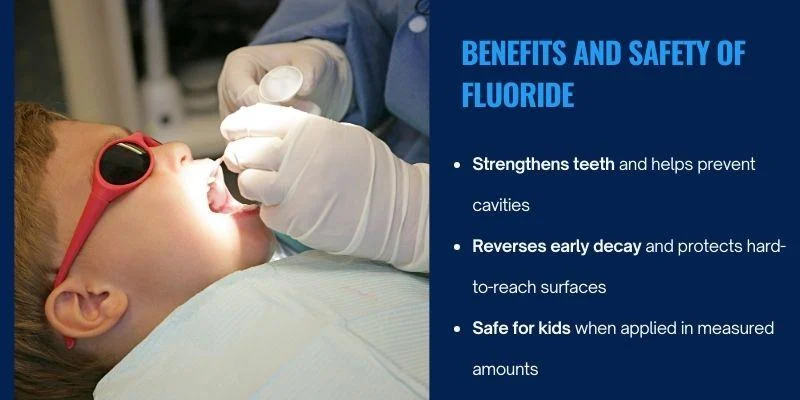
Fluoride treatments can reduce the chance of cavities by strengthening teeth and reversing early decay. They are especially helpful for kids because they protect all the tooth surfaces, even those hard-to-reach spots.
When used correctly, fluoride treatments are safe for children. The amount applied by dentists is carefully measured to avoid any side effects.
It’s important to follow your dentist’s advice about how often your child should get fluoride and to use fluoride toothpaste at home. If your child swallows too much fluoride from toothpaste or supplements, it can cause mild stomach upset or white spots on the teeth, so supervision is key.
Have questions about fluoride safety or timing? Our family dentist in Anna, TX, can help you choose the right preventive care for your child.
Sealants vs. Fluoride: Key Differences and Effectiveness
Understanding how dental sealants and fluoride work can help you decide the best way to protect your child’s teeth. Each tackles cavity prevention in a different way.
Knowing when and how to use them can boost your child’s dental care routine.
Comparing How Each Prevents Cavities
Dental sealants act like a shield. They are a thin plastic coating applied to the chewing surfaces of back teeth, especially molars, where deep grooves trap food and bacteria. By sealing off these hard-to-clean areas, sealants stop decay before it starts.
A 2023 review found that resin-based dental sealants reduced tooth decay by 11% to 51% compared to no sealant within two years of application, confirming their effectiveness in preventing cavities.
Fluoride works differently. It strengthens the enamel, which is the hard outer layer of the teeth.
Strong enamel resists acid attacks from bacteria that cause decay. Fluoride also helps repair early damage to teeth.
You can get fluoride in gels, varnishes, or toothpaste that your kid uses daily.
| Feature | Dental Sealants | Fluoride Treatments |
| Area of protection | Grooves on back teeth | Entire tooth surface |
| How it works | Physical barrier blocking bacteria | Strengthens enamel |
| Application | Painted on by a dentist/hygienist | Applied by dentist or daily use at home |
When to Choose Sealants, Fluoride, or Both
If your child has deep grooves in their teeth or a history of cavities, sealants are a good choice. They give extra protection where cavities often start.
Fluoride is usually recommended from the time teeth appear. It helps build strong enamel and protects all tooth surfaces.
You’ll often use fluoride toothpaste daily, combined with professional fluoride treatments at the dentist to keep teeth strong.
Many dentists suggest using both together. Fluoride protects the whole tooth, while sealants defend the tricky spots.
Adding regular brushing, healthy eating, and dental checkups will also improve your child’s cavity defense.
Not sure which option your child needs? Our dentists in Anna, TX, can assess cavity risk and recommend the most effective preventive plan.
Incorporating Preventive Care at Home and the Dentist
Good oral health care is a team effort between what you do every day and the care you get from your dentist. Simple habits at home combined with regular professional check-ups keep your child’s teeth strong and cavity-free.
Understanding the costs and benefits of preventive treatments helps you make smart choices for your family.
Establishing Good Dental Hygiene Habits
You play a big role in your child’s dental health by helping them build strong oral hygiene habits early on. Make sure they brush their teeth twice a day with fluoride toothpaste, using a pea-sized amount.
Help them floss once a day to remove food and plaque from between teeth where a brush can’t reach. Choose a soft-bristled toothbrush and replace it every three months or when bristles look worn.
Limit sugary snacks and drinks since sugar feeds the bacteria that cause cavities. Drinking water after meals can help wash away leftover food particles.
Encouraging these habits consistently makes a big difference in preventing cavities before they start.
Importance of Regular Dental Visits and Professional Advice
Regular dental visits are essential for catching problems early and getting expert care. Schedule check-ups every six months or as recommended by your dentist.
During these visits, your dentist can apply dental sealants and professional fluoride treatments, which offer extra protection for your child’s teeth.
Your dentist will also check for early signs of cavities, monitor your child’s oral development, and provide personalized advice on brushing, diet, and oral care routines.
These visits are a good time to raise any questions or concerns. Early intervention and regular cleanings help prevent painful and costly dental problems later.
Dental Insurance Coverage for Preventive Treatments
Many dental insurance plans cover preventive treatments like sealants and fluoride applications, especially for children. Check your plan’s details to understand what is covered and if there are limits on the number of treatments per year.
Preventive care often has little to no out-of-pocket cost and can save money by avoiding more expensive treatments like fillings or root canals.
If your insurance has gaps, talk to your dentist about affordable payment plans or community programs that offer low-cost care. Knowing your coverage helps you plan for your child’s dental visits and keeps their oral health on track.
Protect your child’s smile early. Schedule a sealant or fluoride consultation with a trusted pediatric dentist in Anna, TX, today.
Frequently Asked Questions
Fluoride treatments and dental sealants protect kids’ teeth in different ways. Both help prevent cavities, but they work best when used together.
Knowing when to start, how effective each option is, and possible risks can help you make the right choice for your child’s dental care.
What’s the difference between sealants and fluoride treatments for kids?
Sealants are thin plastic coatings painted on the chewing surfaces of back molars. They block food and bacteria from getting stuck in hard-to-clean grooves.
Fluoride treatments strengthen the entire tooth surface by making enamel more resistant to decay. Fluoride is applied as gel, foam, or varnish and protects all teeth, especially for kids who are still learning to brush well.
How effective are fissure sealants in preventing dental caries in children?
Sealants can reduce cavities in molars by up to 80% when properly applied and maintained. They are especially helpful on deep grooves where brushing may miss.
Sealants tend to last several years and provide long-term protection for kids prone to cavities or those with rough tooth surfaces.
Can children still develop cavities if they have sealants applied to their teeth?
Yes. Sealants protect only the coated areas, so decay can still happen in other parts of the mouth if oral hygiene is poor.
You should keep up with daily brushing, flossing, and regular dental visits to maintain overall dental health alongside sealants.
What are some fluoride-free options for cavity prevention in pediatric dentistry?
Besides sealants, options include encouraging a healthy diet low in sugar and practicing good brushing habits. Using products with xylitol, a natural sweetener that fights bacteria, can also help.
Regular dental cleanings and monitoring tooth development help prevent cavities without fluoride.
At what age should children start receiving sealants or fluoride treatments?
Fluoride treatments can begin as soon as the first baby teeth come in, often around 6 months.
Sealants are typically applied around age 6, when the first permanent molars develop. Your dentist may recommend otherwise based on your child’s needs.
What are the potential risks and benefits of using sealants versus fluoride in children’s oral care?
Sealants are safe and painless. They provide targeted protection but don’t strengthen enamel overall.
Fluoride can strengthen all teeth surfaces. It requires regular application and proper use to avoid overexposure.

